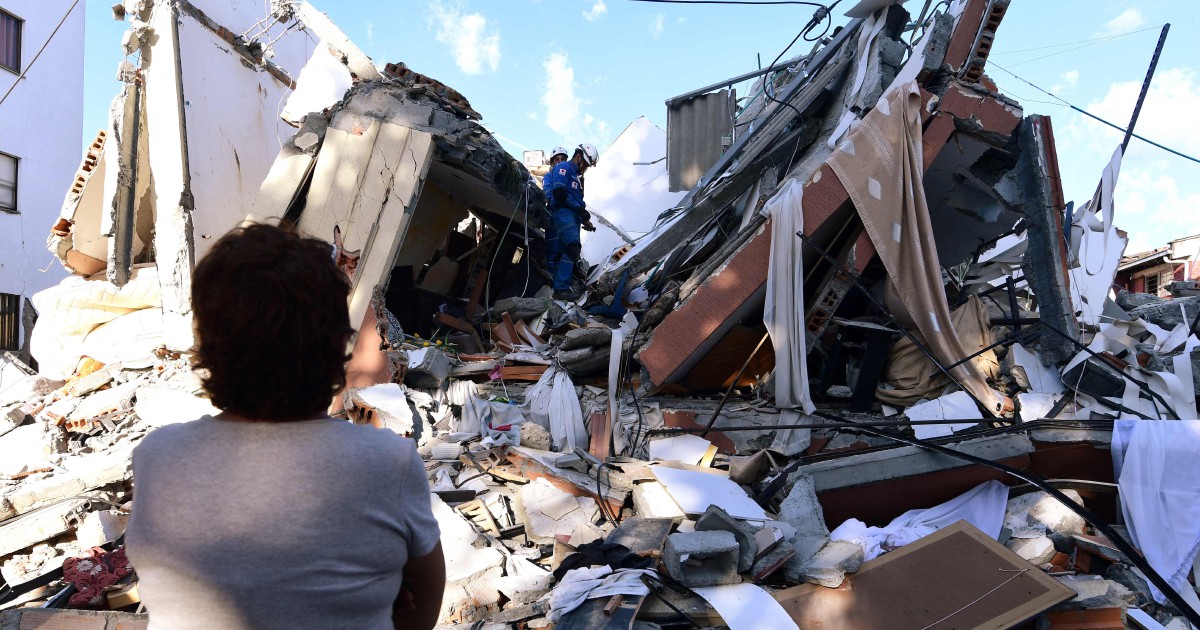
Prime Minister Datuk Seri Anwar Ibrahim has conveyed Malaysia's deepest condolences to Colombia following a devastating earthquake that struck the nation's western region, underscoring the importance of international solidarity during natural disasters. The message of sympathy reflects Malaysia's diplomatic stance towards global humanitarian crises and the broader responsibility nations shoulder in supporting fellow countries during catastrophic events.
Earthquakes of significant magnitude continue to pose grave threats across the Pacific Ring of Fire and beyond, claiming lives and displacing thousands within moments. Colombia, situated in a seismically active region along multiple tectonic boundaries, remains vulnerable to such natural disasters. The timing of the tremor comes at a critical moment for the South American nation, which faces ongoing challenges in disaster preparedness and infrastructure resilience.
The Malaysian Prime Minister's gesture represents more than ceremonial protocol. Such statements affirm the principled approach Malaysia adopts in international relations, emphasizing empathy and collective responsibility regardless of geographic distance or political differences. In an increasingly interconnected world, expressions of solidarity serve as cornerstones of the multilateral order and reinforce bonds between nations.
For Malaysian readers, earthquake preparedness carries particular relevance. While Malaysia experiences fewer seismic events than neighbouring nations such as Indonesia and the Philippines, the country remains situated in regions where tremors occasionally occur. Understanding how other nations respond to earthquakes—from emergency response coordination to rebuilding efforts—provides valuable lessons for enhancing Malaysia's own disaster management infrastructure.
Colombia's geographical position along the Pacific coast exposes the nation to multiple natural hazards beyond earthquakes, including landslides, flooding, and volcanic activity. Infrastructure damage from seismic events often triggers secondary disasters, particularly in regions with steep terrain and vulnerable construction standards. The recovery process typically extends far beyond immediate rescue operations, requiring sustained international cooperation and financial assistance.
The earthquake underscores the vulnerability of rapidly developing economies to natural disasters, a concern deeply relevant to Southeast Asian nations pursuing similar development trajectories. Malaysia, as a middle-income country with expanding urban centres, recognizes the critical importance of earthquake-resistant building codes, early warning systems, and comprehensive disaster response protocols. Colombia's experience provides instructive benchmarks for regional preparedness planning.
International cooperation during natural disasters extends beyond sympathy to encompassing practical assistance. Nations often dispatch rescue teams, provide medical supplies, and offer financial aid through diplomatic channels and multilateral organizations. Malaysia, through its various development agencies and humanitarian initiatives, has participated in such relief efforts across the globe, contributing expertise in disaster recovery and reconstruction.
The expression of condolences also reflects Malaysia's broader engagement within the international community. As a member of numerous global forums and organizations, Malaysia maintains relationships with countries across continents. Such gestures reinforce these connections and demonstrate commitment to universal humanitarian principles that transcend cultural and geographical boundaries.
For Colombians, international support during disaster recovery proves invaluable both materially and psychologically. Knowing that the global community acknowledges their suffering and stands ready to assist strengthens resilience and facilitates the complex process of rebuilding communities. This international dimension of disaster response has become increasingly important as climate change appears to intensify extreme weather events and seismic activity in various regions.
The incident also highlights disparities in disaster preparedness between developed and developing nations. While Colombia possesses certain technological and institutional advantages, poorer regions within the country may lack adequate warning systems or resilient infrastructure. Similarly, across the Southeast Asian region, rural and less developed areas often face disproportionate risks during natural disasters, an issue Malaysia and its neighbours continue addressing through targeted investments and capacity building.
Moving forward, the earthquake in Colombia will likely prompt regional and global reassessments of seismic risk management. Scientists and engineers will study the disaster to refine predictive models and strengthen mitigation strategies. International funding mechanisms, including those supported by countries like Malaysia, play crucial roles in enabling such improvements in vulnerable nations.
Malaysia's diplomatic response demonstrates the country's consistent positioning as a responsible member of the international community, willing to acknowledge global challenges and contribute meaningfully to collective solutions. Such gestures, while appearing modest, constitute essential components of the diplomatic architecture that enables cooperation on larger strategic issues affecting Southeast Asia and beyond.

