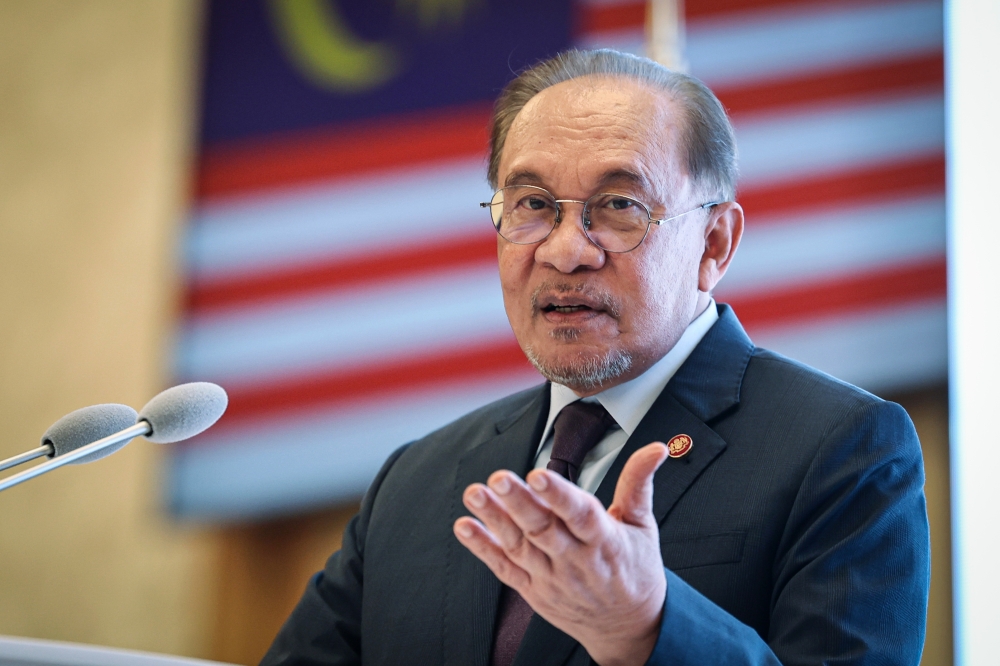
Prime Minister Datuk Seri Anwar Ibrahim has publicly acknowledged the support and prayers extended to him by the public, expressing his gratitude to well-wishers across the nation. The gesture reflects the customary diplomatic courtesy observed by Malaysian political leaders, particularly when addressing personal matters that have drawn public attention. Anwar's remarks came as the government prepares for a significant parliamentary session focused on deliberating the outcomes of the Tabung Haji Royal Commission of Inquiry, a matter that has garnered considerable interest among lawmakers and the public alike.
The upcoming special Parliament sitting represents a crucial moment for transparency and accountability regarding Tabung Haji, Malaysia's state-backed pilgrimage savings scheme which has served millions of Muslim citizens seeking to perform the hajj pilgrimage. The Royal Commission of Inquiry was established to investigate various concerns and irregularities that have surrounded the institution's operations, a development that underscores the government's commitment to addressing longstanding questions about governance and financial management within one of Malaysia's most significant religious institutions.
Tabung Haji holds particular significance in the Malaysian context as it manages savings for over three million account holders, making it a financially substantial and culturally important entity. The RCI's investigation touches on matters that directly affect ordinary Malaysians who have entrusted their funds to the scheme for decades. The parliamentary session will provide elected representatives with an opportunity to scrutinise the Commission's findings publicly and engage in substantive debate about the recommendations put forward to strengthen the institution's operations and protect account holders' interests.
Anwar's emphasis on parliamentary engagement with the RCI report aligns with the government's broader agenda of strengthening democratic institutions and legislative oversight. Since assuming office, the Prime Minister has championed greater transparency and accountability mechanisms, positioning Parliament as a forum for meaningful discussion on matters of national importance. The decision to hold a special sitting dedicated specifically to the Tabung Haji findings demonstrates the administration's recognition of the issue's significance and its willingness to allocate parliamentary time to address public concerns systematically.
The timing of this parliamentary session comes amid broader discussions in Malaysian society about institutional reform and good governance. Concerns about Tabung Haji's management have periodically surfaced over the years, prompting various calls for investigation and oversight improvements. By bringing the RCI report to Parliament for debate, the government signals its intent to move beyond procedural formality and engage legislators in substantive examination of the Commission's conclusions and proposed remedial measures.
For Malaysian citizens invested in Tabung Haji, the parliamentary deliberation represents an opportunity to gain clarity on matters affecting their savings and retirement plans. Many account holders have expressed concerns about the scheme's investment performance and operational transparency, issues that the RCI was tasked with investigating comprehensively. The public airing of these matters in Parliament may provide reassurance regarding the government's commitment to protecting depositors' interests and implementing necessary reforms to enhance institutional credibility.
The parliamentary sitting also reflects broader Southeast Asian trends toward strengthening legislative scrutiny of state institutions and public funds management. As regional democracies grapple with questions of institutional accountability, Malaysia's parliamentary examination of the Tabung Haji RCI report contributes to regional conversations about best practices in governance and public oversight. The outcome of parliamentary debates may influence how other regional governments approach similar institutional reviews and legislative engagement with investigative commission findings.
Anwar's personal acknowledgment of public support demonstrates awareness of the broader context in which this parliamentary session occurs. Political leaders in Malaysia recognise that maintaining public trust in institutions depends partly on demonstrating responsiveness to citizen concerns and engaging meaningfully with matters affecting Malaysians' financial security and wellbeing. By coupling personal gratitude with commitment to parliamentary scrutiny of the RCI report, Anwar positions the government as attentive to both institutional integrity and individual citizen welfare.
The special Parliament sitting will likely generate detailed discussion among lawmakers regarding specific RCI recommendations, implementation timelines, and resource allocation for institutional reforms. Opposition and government backbench members will have opportunities to raise questions and propose amendments or additional safeguards. This legislative engagement serves democratic accountability functions beyond the RCI itself, allowing Parliament to exercise its constitutional role in scrutinising executive governance of public institutions and statutory bodies.
Looking forward, the parliamentary debate on the Tabung Haji RCI report may establish precedents for how Malaysia addresses similar institutional investigations and reforms. The transparency and engagement demonstrated through this process could influence public confidence in government institutions more broadly. For Tabung Haji specifically, parliamentary deliberation provides momentum for implementing recommended changes and reinforcing institutional credibility among the millions of Malaysians whose retirement and pilgrimage plans depend on the scheme's stability and sound management.

