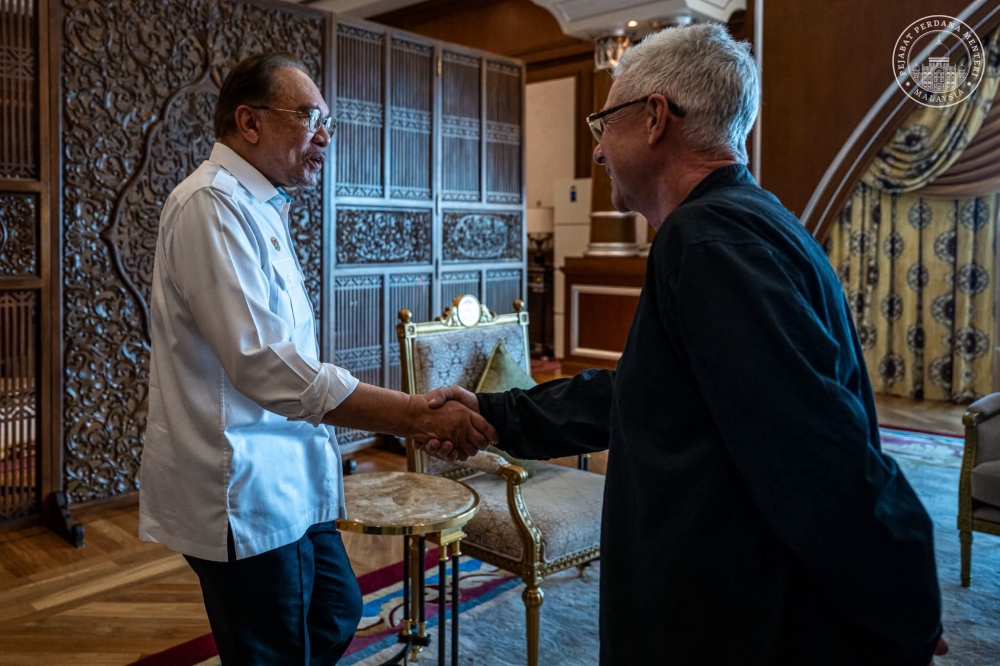
Prime Minister Datuk Seri Anwar Ibrahim engaged in high-level discussions with officials from the Singapore Grand Prix this week, signalling Malaysia's renewed diplomatic push to secure the return of Formula 1 racing to the Sepang International Circuit. The meeting underscores the government's determination to reclaim the nation's presence in one of motorsport's most prestigious global competitions, a position Malaysia held for two decades before stepping back from the calendar in 2017.
The dialogue with Singapore's motorsport leadership carries particular significance given the competitive dynamics between the two neighbouring nations regarding major sporting events. Singapore has maintained its Grand Prix slot on the F1 calendar since 2008, establishing itself as a major regional hub for the sport and leveraging the event for tourism and economic benefits. Malaysia's absence from the schedule has left a void in Southeast Asian F1 representation, with policymakers increasingly viewing the sport's return as critical to the nation's sporting and economic agenda.
Sepang International Circuit, located in Selangor, remains one of Asia's most sophisticated racing facilities and played host to the Malaysian Grand Prix for 19 consecutive years from 1999 onwards. The circuit's technical infrastructure, world-class amenities, and proven capacity to host major international events position it as a credible venue in the eyes of Formula 1 management. However, the financial commitment required to stage a Formula 1 race—typically ranging between US$20 million to US$30 million annually—has presented significant hurdles for previous Malaysian administrations seeking to revive the event.
Anwar's engagement with the Singapore authorities suggests a strategic approach to rebuilding Malaysia's standing within F1's governance structures. The conversations likely explored the broader Southeast Asian motorsport landscape and how both nations might collaborate or compete in attracting international racing calendars. Such diplomatic groundwork is essential before engaging directly with Formula 1 management, as regional stability and cooperation facilitate negotiations with Bernie Ecclestone's successor organization under current CEO Stefano Domenicali.
The timing of these discussions reflects wider government priorities to position Malaysia as a destination for marquee sporting events. Beyond Formula 1, the administration has been pursuing the 2024 Olympics bid—ultimately unsuccessful—and maintaining focus on other major tournaments. The return of F1 would deliver substantial spin-off benefits: attracting global media attention, generating tourism revenue, creating temporary employment during race weekends, and elevating Malaysia's international profile in the eyes of corporate sponsors and technology investors interested in motorsport partnerships.
Economically, F1 races generate considerable downstream activity. Hotels, restaurants, transport services, and hospitality sectors experience significant uplifts in revenue during Grand Prix weekends. International visitors typically spend between US$2,000 to US$5,000 per person on race-related expenses, and securing the event could inject hundreds of millions of ringgit into the local economy over a multi-year contract period. Additionally, the sporting spectacle attracts media coverage valued at hundreds of millions in equivalent advertising, amplifying Malaysia's visibility on the global stage.
However, obstacles remain formidable. Formula 1's calendar is heavily contested, with nations across Europe, Asia, and the Americas competing for limited slots. The sport's expansion into emerging markets—particularly in the Middle East and Asia-Pacific—means Malaysia faces competition from well-funded rivals willing to offer premium hosting fees. Saudi Arabia, Qatar, and other Gulf states have proven willing to commit extraordinary financial resources to secure F1 races, creating a high-cost environment that strains public finances.
Moreover, the political sustainability of F1 hosting requires broad government commitment across multiple election cycles. Malaysia's previous interruption of the Grand Prix stemmed partly from shifting political priorities and budgetary constraints, vulnerabilities that F1 management views cautiously when evaluating prospective hosts. The current administration must demonstrate financial credibility and long-term strategic commitment to reassure the sport's governance that Malaysia represents a reliable partner for at least a five-to-ten-year hosting arrangement.
The Anwar government's diplomatic engagement with Singapore suggests a sophisticated understanding of regional geopolitics within motorsport. Rather than positioning Malaysia and Singapore as zero-sum competitors, the approach acknowledges that both nations benefit from Southeast Asia's increased prominence in the F1 calendar. A Malaysian Grand Prix alongside Singapore's existing race would enhance the region's status as a motorsport destination and attract ancillary racing events, commercial partnerships, and technology investments that benefit the broader regional ecosystem.
Looking ahead, Malaysia's path to F1 restoration likely involves sustained political commitment, significant capital investment, and strategic partnerships with private sponsors and international racing organizations. The Sepang circuit requires modernization in certain areas—hospitality facilities, spectator amenities, and digital infrastructure—to align with contemporary F1 standards. These upgrades would themselves generate domestic economic activity and employment while preparing the venue for potential future hosting of diverse motorsport events beyond Formula 1.
The meeting between Anwar and Singapore's Grand Prix leadership represents an opening move in what may become an extended diplomatic and commercial negotiation. Success would position Malaysia as a major Asian motorsport destination, diversify the nation's event portfolio, and deliver tangible benefits to local communities and industries. Yet the complexity of F1's governance, the high financial stakes involved, and competition from wealthier rivals means Malaysia's return to the calendar remains uncertain despite optimistic official statements and high-level political engagement.

