%22%2F%3E%3C%2Fpattern%3E%3C%2Fdefs%3E%3Crect%20width%3D%22100%25%22%20height%3D%22100%25%22%20fill%3D%22url(%23phmecug)%22%2F%3E%3Crect%20width%3D%22100%25%22%20height%3D%22100%25%22%20fill%3D%22url(%23phmecup)%22%2F%3E%3Ctext%20x%3D%2250%25%22%20y%3D%2250%25%22%20text-anchor%3D%22middle%22%20dominant-baseline%3D%22central%22%20fill%3D%22rgba(255%2C255%2C255%2C0.95)%22%20font-family%3D%22Georgia%2C%20'Times%20New%20Roman'%2C%20serif%22%20font-weight%3D%22700%22%20font-size%3D%22272%22%20letter-spacing%3D%22-0.02em%22%3EAnwar%3C%2Ftext%3E%3C%2Fsvg%3E)
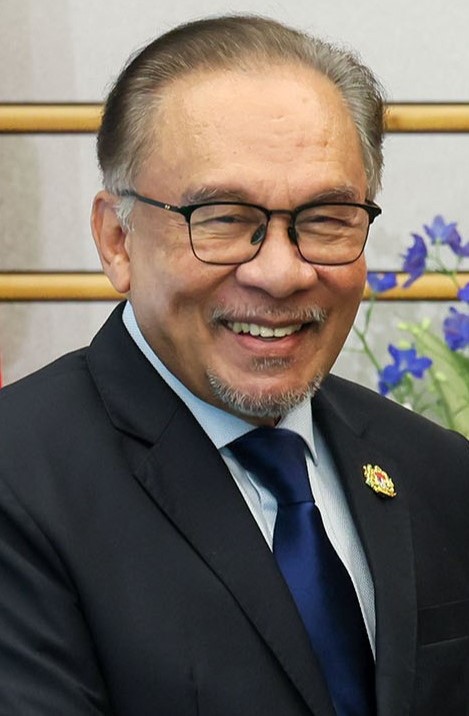
Prime Minister Datuk Seri Anwar Ibrahim is returning to Johor for the second time in as many days, a scheduling pattern that reflects the mounting intensity of the state election campaign and the federal government's determination to secure a strong performance in a region where it faces considerable political competition. The rapid succession of visits signals that Johor remains central to the government's broader electoral calculus, particularly as the campaign enters its pivotal phase and voter mobilisation efforts accelerate across the state.
The frequency of the Prime Minister's appearances in Johor demonstrates the stakes involved in the forthcoming state election. As Malaysia's second-most populous state and an economic powerhouse situated strategically along the Singapore border, Johor holds disproportionate weight in national politics. Control of the state government provides not only administrative authority over significant resources but also symbolic momentum that can influence voter sentiment in other states. For Anwar Ibrahim and his Pakatan Harapan coalition, performing well here is essential to consolidating their hold on federal power and neutralising the opposition's traditional strongholds.
Johor's political landscape has undergone considerable transformation in recent years. The state has shifted between different political coalitions, with voters demonstrating willingness to change their allegiances based on performance and local grievances. This fluidity makes the state simultaneously attractive and precarious for any governing coalition. The frequency of the Prime Minister's campaign visits reflects an assessment that the outcome here is neither assured nor predetermined, requiring intensive engagement with voters, party machinery mobilisation, and high-level political commitment.
The decision to make multiple visits within such a short timeframe also suggests that specific constituencies or voter demographics within Johor require particular attention. Whether addressing economic concerns in urban centres, agricultural issues in rural areas, or community-specific matters in different districts, the compressed schedule indicates a targeted approach rather than perfunctory campaign appearances. This intensity contrasts with typical election campaigns where senior political figures space their visits more widely to cover more ground and reach broader audiences.
For the ruling coalition, the strategic focus on Johor reflects lessons learned from recent electoral experiences across Malaysia. State-level elections have increasingly become referendums on incumbent performance and satisfaction with governance. Voters have demonstrated that they assess state governments independently of national governments, even when the same coalition controls both. This separation means that federal popularity does not automatically translate into state-level support, requiring distinct campaign strategies and messaging tailored to local priorities.
The campaign environment in Johor is further complicated by the presence of multiple competing narratives and rival coalitions, each attempting to position themselves as the superior choice for governing the state. The opposition has its own campaign machinery operating across the state, with different political parties within both government and opposition coalitions competing for voter attention. In this crowded information space, the visibility provided by high-level visits from the Prime Minister serves important functions: reassuring party members and supporters that the federal leadership is committed to the state's interests, commanding media attention that amplifies campaign messaging, and creating public perception of momentum and confidence.
The economic dimension of Johor's politics cannot be overlooked. As a state with significant manufacturing, port, and tourism sectors, economic performance and employment prospects weigh heavily in voter calculations. Any incumbent government must demonstrate tangible improvements in living standards, infrastructure development, and business opportunities. The Prime Minister's repeated visits provide platforms for announcing development projects, highlighting economic achievements, and engaging with business communities and workers whose support is crucial for electoral success.
Within Malaysian politics, Johor holds historical significance beyond its current population and economic output. The state has long been regarded as politically important, with its electoral performance often setting trends or indicating broader shifts in voter sentiment. Losing ground in Johor would represent a setback for the federal government's political position, while securing a comfortable majority would provide validation of its governance record and electoral strategy. This elevated importance in the national political consciousness further justifies the intensive campaign effort being deployed.
The timing and frequency of these visits also serve internal party management functions. For Pakatan Harapan's component parties and their respective grassroots organisations, the visible commitment from the Prime Minister reinforces central party leadership, boosts morale, and signals that federal resources and attention will flow toward the campaign effort. This demonstration of leadership investment helps maintain party discipline and encourages sustained organisational effort from lower-level party structures whose volunteer work and local knowledge are essential for election success.
As the campaign progresses, these kinds of high-profile visits will likely increase in frequency across all major states where electoral competition is intense. The outcome in Johor will be closely analysed for what it reveals about voter sentiment more broadly, making the state effectively a barometer for national political trends. The Prime Minister's second visit in three days reflects not only immediate campaign pragmatism but also a recognition that Johor's voters will significantly influence the government's political standing and capacity to govern effectively in the years ahead.