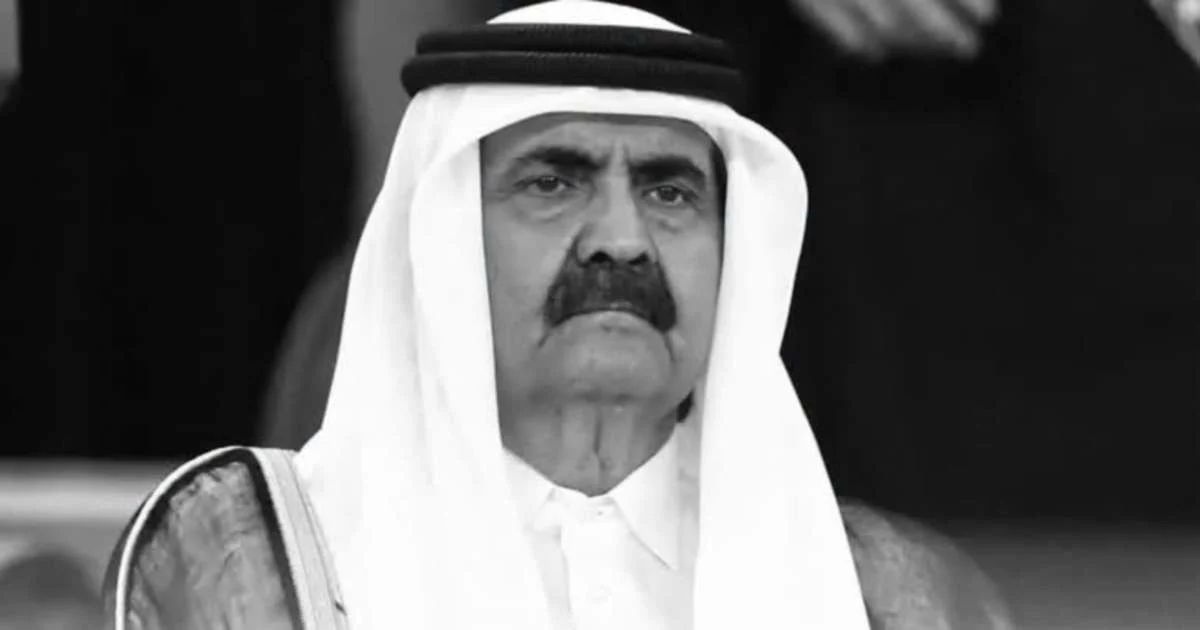
Prime Minister Datuk Seri Anwar Ibrahim has conveyed Malaysia's heartfelt condolences to the government and people of Qatar in the wake of the passing of Sheikh Hamad bin Khalifa Al Thani, the nation's former leader who died today at the age of 74. The expression of sympathy underscores the deep diplomatic bonds between Malaysia and Qatar, two Muslim-majority nations with a shared commitment to regional stability and cooperation across the Islamic world.
Sheikh Hamad bin Khalifa Al Thani's death marks the end of an era in Gulf leadership. The former emir, who previously wielded considerable influence over Qatar's political trajectory, left an indelible mark on the nation's transformation into a modern state. His leadership during critical decades shaped the country's institutional framework and its emergence as a significant player in international affairs, particularly through the expansion of regional diplomatic initiatives.
The late former emir served as Qatar's paramount leader during a formative period when the Gulf nation was repositioning itself on the world stage. His tenure was defined by strategic investments in infrastructure, education, and cultural institutions that fundamentally altered Qatar's global standing. The development of major institutions and initiatives during his era continues to influence the country's trajectory today, reflecting the enduring legacy of his tenure.
Malaysia's immediate response through Prime Minister Anwar demonstrates the importance both nations place on their bilateral relationship. The condolences represent more than ceremonial protocol; they reflect genuine strategic partnership between Kuala Lumpur and Doha. Qatar has been an important economic and political partner for Malaysia, with significant business investments and shared interests in regional security matters spanning multiple decades.
The passing of Sheikh Hamad comes at a time when Qatar remains a crucial node in Southeast Asian-Gulf relations. Malaysian-Qatari ties encompass trade, investment, education exchanges, and diplomatic coordination on international forums. The Gulf state has hosted significant Malaysian business operations and serves as a bridge for Malaysian engagement with broader Middle Eastern markets, making the relationship particularly valuable for regional commerce.
From a Malaysian perspective, this moment of mourning also presents an opportunity to reaffirm commitment to partnership with Qatar's current leadership and its people. The nation continues to play a vital role in regional mediation efforts and maintains active participation in Islamic world forums where Malaysia also holds significant influence. Bilateral cooperation across these domains remains strategically important for both nations' long-term interests.
Sheikh Hamad's death resonates across the entire Gulf Cooperation Council region and beyond, as his leadership legacy influenced how Gulf nations approached modernisation while maintaining Islamic values and traditional governance structures. Many contemporary dynamics in Middle Eastern politics bear the imprint of strategic decisions made during his era of influence. His approach to balancing rapid development with cultural preservation offered a model that other regional leaders studied and adapted.
For Malaysia, the passing of Sheikh Hamad reinforces the importance of maintaining strong institutional relationships that transcend individual leaders. Prime Minister Anwar's condolences signal Malaysia's commitment to deepening bonds with Qatar's emerging generation of leadership. Such gestures, while respectful of grief, also position Malaysia as a reliable and dignified partner in an increasingly complex geopolitical landscape.
The condolence message also reflects Malaysia's recognition of Qatar's contributions to regional and global stability. The Gulf nation has emerged as an important voice in Islamic diplomacy and has invested substantially in cross-cultural dialogue initiatives. These efforts align with Malaysia's own vision of moderate Islam and bridge-building between civilisations, creating common ground for continued cooperation.
As Qatar navigates this period of transition, Malaysia's gesture of sympathy and support carries particular weight. The relationship between both nations extends beyond commerce into deeper cultural and religious connections that bind Muslim-majority countries in Asia and the Middle East. This moment of shared sorrow provides a foundation for strengthening these ties in the years ahead.
The passing of prominent regional figures often prompts reflection on historical partnerships and future trajectories. For Malaysia-Qatar relations, this development underscores the continuity and depth of diplomatic engagement that has characterised interactions between the two nations. Prime Minister Anwar's measured and respectful approach to extending sympathies demonstrates Malaysia's commitment to maintaining these vital partnerships through transitions in regional leadership.

