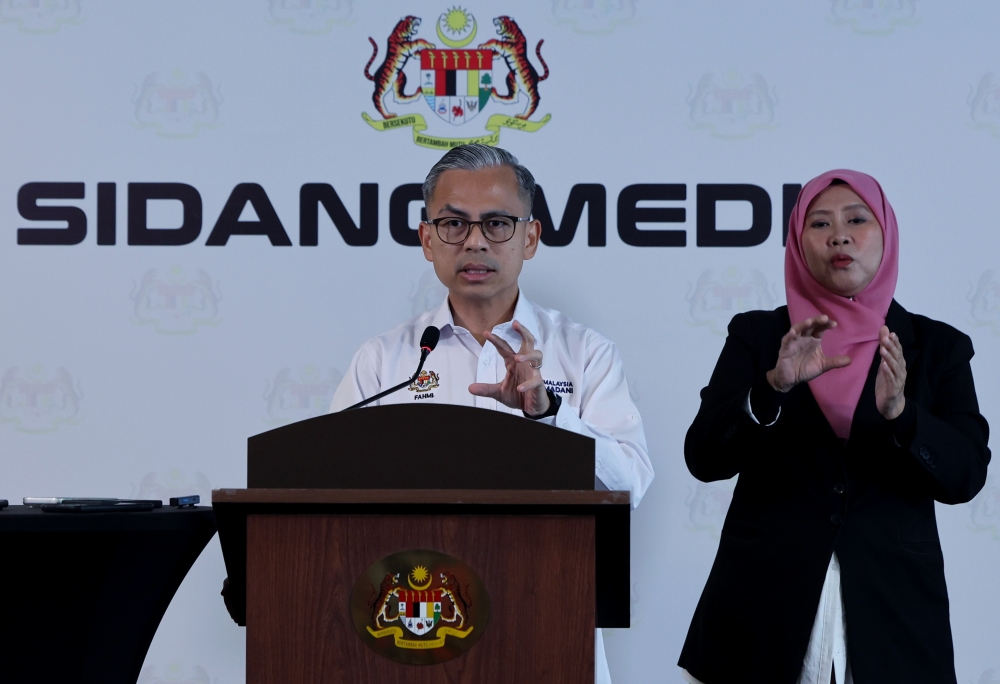
Malaysia's Prime Minister Datuk Seri Anwar Ibrahim has moved decisively to tackle a mounting backlog of foreign worker permit applications, directing the Ministry of Human Resources to prioritise the processing of 15,000 pending cases. The directive, confirmed by Communications Minister Fahmi Fadzil on August 5 in Putrajaya, reflects growing concerns about labour shortages impacting key economic sectors and the need to streamline bureaucratic procedures that have created bottlenecks in the approval system.
The decision underscores an emerging tension within Malaysia's immigration and labour policy framework. While the government maintains strict regulations designed to protect local employment opportunities and ensure worker welfare standards, the reality on the ground shows that many employers across manufacturing, construction, hospitality, and domestic service sectors struggle to find sufficient Malaysian workers willing to fill vacant positions. The 15,000 applications represent a substantial volume of prospective foreign workers awaiting government approval, and their processing delay has created operational difficulties for businesses and disrupted hiring timelines.
Fahmi's announcement signals that the Prime Minister recognises the practical limits of Malaysia's domestic labour supply and the economic consequences of prolonged application backlogs. Rather than fundamentally relaxing foreign worker quotas, which remain politically sensitive given concerns about job displacement and wage suppression among Malaysian workers, the government has chosen to accelerate the administrative processing of applications already in the system. This approach allows the administration to address immediate labour market pressures while maintaining the appearance of controlled immigration policy.
The Human Resources Ministry, known locally as Kesuma, oversees the complex apparatus of foreign worker permits, including applications from both skilled and unskilled workers across various sectors. The Ministry also manages enforcement of employment standards and monitors worker conditions. By receiving a direct Prime Ministerial directive to expedite processing, the Ministry faces pressure to reduce typical approval timeframes, which have reportedly stretched to several months in some cases. This acceleration will require additional resources, streamlined documentation requirements, or both.
For Malaysian employers, particularly small and medium enterprises, the faster approval timeline promises relief from extended hiring delays that have forced some businesses to operate below capacity or defer expansion plans. Construction companies preparing for major infrastructure projects, manufacturers competing in time-sensitive markets, and hospitality businesses preparing for peak tourism seasons will particularly benefit from quicker worker availability. The logistics and supply chain sectors, which have been especially hard-hit by labour shortages, may see improved operational efficiency once additional foreign workers enter the system.
However, the fast-tracking initiative raises questions about the adequacy of verification and compliance checks during accelerated processing. Malaysia has periodically faced criticism from international labour rights organisations regarding inadequate oversight of foreign worker conditions, including housing standards, wage payments, and contract transparency. An expedited approval process, if not carefully managed, could inadvertently compromise the due diligence mechanisms designed to protect both workers and employers from fraud or exploitation. The Ministry will need to balance speed with thorough background verification and documentation review.
From a regional perspective, Malaysia's decision to accelerate foreign worker processing reflects broader Southeast Asian labour market dynamics. Competition for migrant workers from Indonesia, Myanmar, Bangladesh, and other source countries has intensified as multiple nations simultaneously seek to fill labour gaps created by aging populations and shifting domestic employment patterns. By streamlining its approval process, Malaysia aims to remain competitive in attracting available workers to fill critical gaps, though wage levels and working conditions ultimately determine worker preferences across competing destinations.
The government's directive also suggests a pragmatic acknowledgment that certain sectors of the Malaysian economy simply cannot function without foreign labour, despite decades of formal policies promoting local worker preferences. This reflects an uncomfortable reality that development strategies relying on wage suppression in blue-collar sectors create conditions where Malaysian workers increasingly choose alternative livelihoods or migration themselves. Addressing this structural imbalance requires either significant wage increases in these sectors or acceptance of sustained foreign worker dependence—issues that transcend simple bureaucratic efficiency.
Long-term implications of this decision warrant consideration as well. If the 15,000 expedited applications successfully address immediate labour market pressures, the government may face renewed demands from employers for additional foreign worker quotas in subsequent years. Conversely, if the influx of workers generates labour market disruptions or workplace incidents, the government may face political pressure to tighten enforcement. The Ministry's ability to implement proper monitoring of working conditions among this cohort will significantly influence public perception of the foreign worker programme and affect future policy decisions.
Implementation of the Prime Minister's directive will likely consume considerable administrative capacity within Kesuma over the coming weeks and months. Staff may require overtime, recruitment processes could be accelerated, or external contractors might be engaged to manage the surge in application reviews. The Ministry's efficiency in executing this task will demonstrate either the flexibility of Malaysia's bureaucratic machinery to respond to political directives or reveal structural constraints that prevent rapid processing improvements.
Stakeholders across Malaysia's labour spectrum are watching closely. Employer associations welcome the acceleration and likely hope it signals the beginning of a broader policy shift toward pragmatic foreign worker management. Trade unions and worker advocacy groups remain vigilant about potential negative impacts on Malaysian employment and working conditions. As Kesuma implements the fast-track initiative, the Ministry must simultaneously maintain enforcement efforts against undocumented workers and workplace violations, ensuring that expansion of the legal foreign worker population does not inadvertently encourage the continued growth of irregular migration networks.

