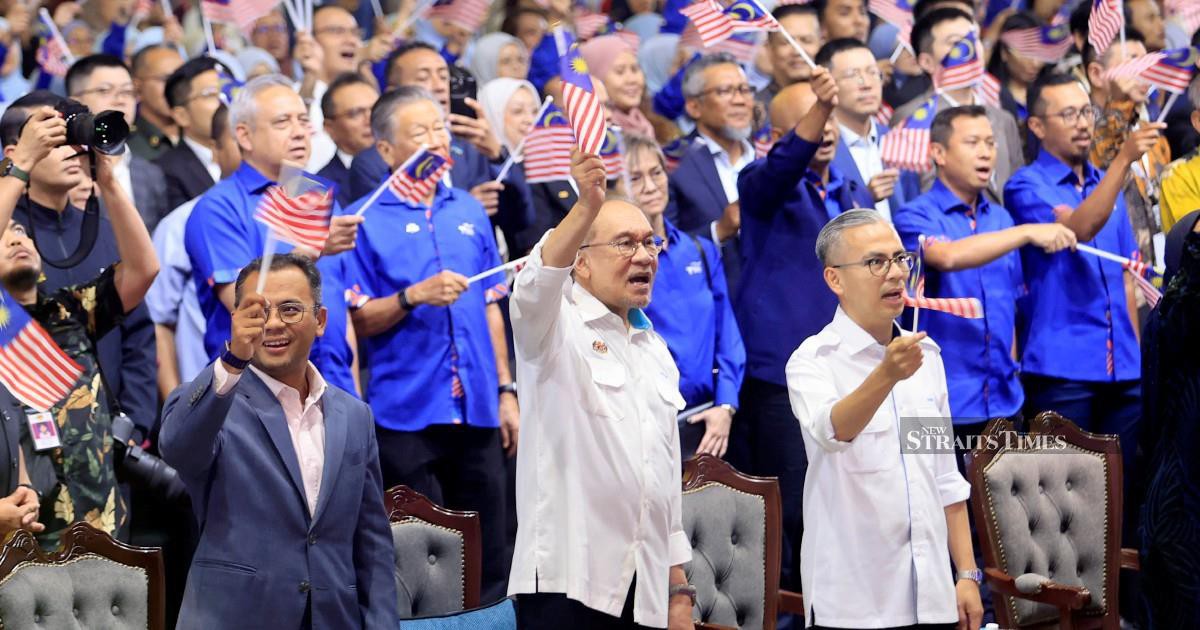
Prime Minister Datuk Seri Anwar Ibrahim has directed Malaysia's universities to swiftly extend freedoms to their student populations without awaiting the completion of formal legislative amendments to the Universities and University Colleges Act, with the directive entering force immediately. This executive intervention signals a significant shift in how the government intends to address long-standing restrictions that have governed student conduct and political expression on campus, representing one of the most consequential directives affecting higher education since Anwar took office.
The Universities and University Colleges Act, commonly referred to as AUKU, has served as the governing framework for Malaysian tertiary institutions for decades. The legislation imposes restrictions on student political activities, assembly, and expression, provisions that have attracted sustained criticism from civil society organisations, student advocacy groups, and international human rights bodies. These constraints have historically limited students' capacity to organise on campus, participate in protest activities, or engage in partisan political discourse—restrictions that proponents argue protect institutional neutrality but which critics contend unnecessarily curtail fundamental freedoms during formative years of civic engagement.
Anwar's decision to issue this directive reflects broader commitments made during his administration regarding democratic renewal and civil liberties. The Prime Minister has previously indicated that comprehensive legislative reform of AUKU would form part of the government's agenda, though such formal amendments typically require parliamentary time and potentially contentious deliberations. By ordering immediate implementation of relaxed restrictions, Anwar appears to be circumventing potential legislative delays while establishing new operational norms across the university system, effectively creating de facto changes ahead of de jure amendments.
The implications of this order ripple across Malaysia's higher education landscape, encompassing both public research universities and more specialised institutions. Student populations, numbering in the hundreds of thousands across the country, stand to experience tangible shifts in their daily campus lives. Areas where change will likely prove most visible include student unions' capacity to organise activities, the ability to hold campus forums discussing political issues, and reduced administrative barriers to student-led initiatives. These modifications could fundamentally alter the climate of political expression and civic participation that has characterised Malaysian campuses for generations.
From an international perspective, Malaysia's higher education institutions often compete for prestige and attract overseas students and scholars who expect relatively open academic environments. International university ranking systems, including those compiled by influential bodies like QS and Times Higher Education, factor institutional autonomy and freedom of expression into their assessments. By liberalising student freedoms, Malaysian universities may enhance their competitiveness in global rankings and their appeal to international academics concerned about operating within restrictive environments. This calculus has become increasingly relevant as Malaysian institutions aspire to world-class status.
The directive also reflects evolving expectations among Malaysian student cohorts, many of whom have grown up with internet access and exposure to global norms regarding student activism and democratic participation. University administrators have faced increasing pressure from younger generations who question restrictions that seem incongruous with the information age and Malaysia's own aspirations toward becoming a high-income, developed nation. Student groups have consistently advocated for reform, arguing that restrictions undermined their education and prevented them from developing the civic competencies essential for democratic citizenship.
Implementing this directive will require university leadership to recalibrate institutional policies, administrative procedures, and campus regulations. Vice-chancellors and administrative staff must now establish clearer boundaries regarding what freedoms students possess while maintaining institutional order and ensuring campus safety remains prioritised. This transition period could prove delicate, as administrators balance newly granted freedoms against legitimate concerns regarding disruption, security, and the preservation of academic environments conducive to learning. Training programmes for security and administrative personnel may be necessary to ensure consistent implementation across institutions.
Regionally, Malaysia's move carries significance for Southeast Asian higher education more broadly. Several countries in the region maintain restrictive frameworks governing student political activity, and observers across the Association of Southeast Asian Nations will likely monitor how Malaysia's liberalisation unfolds. Should the transition proceed smoothly and prove administratively manageable, neighbouring nations could face domestic pressure to reassess their own student restrictions, potentially catalysing broader regional momentum toward greater campus freedoms.
Civil society organisations and student advocates have generally welcomed the directive, viewing it as vindication of campaigns waged over multiple years. However, some conservative voices have expressed concerns that reduced restrictions might create conditions for excessive politicisation of campus spaces or disorder. These perspectives highlight the ongoing tensions between different stakeholders regarding the appropriate balance between student freedoms and institutional governance, tensions that universities will navigate as they implement the Prime Minister's order.
The formal legislative amendment of AUKU remains on the government's agenda, though the timeline remains unclear given competing parliamentary priorities. When amendments do proceed, they will likely codify changes already initiated by this directive, providing statutory foundation to what currently represents executive instruction. This phased approach—combining immediate administrative changes with eventual legislative reform—reflects pragmatic sequencing, allowing universities time to adjust while formal law-making proceeds through parliamentary channels.
These developments represent a watershed moment for Malaysian student life and campus governance. Beyond the immediate relaxation of restrictions, Anwar's directive signals the government's willingness to act decisively on civil liberties issues, establishing expectations that may influence future policy decisions across other domains requiring balance between institutional stability and individual freedoms. How universities manage this transition will largely determine whether expanded freedoms translate into genuinely enriched campus environments or whether implementation challenges prove more significant than anticipated.

