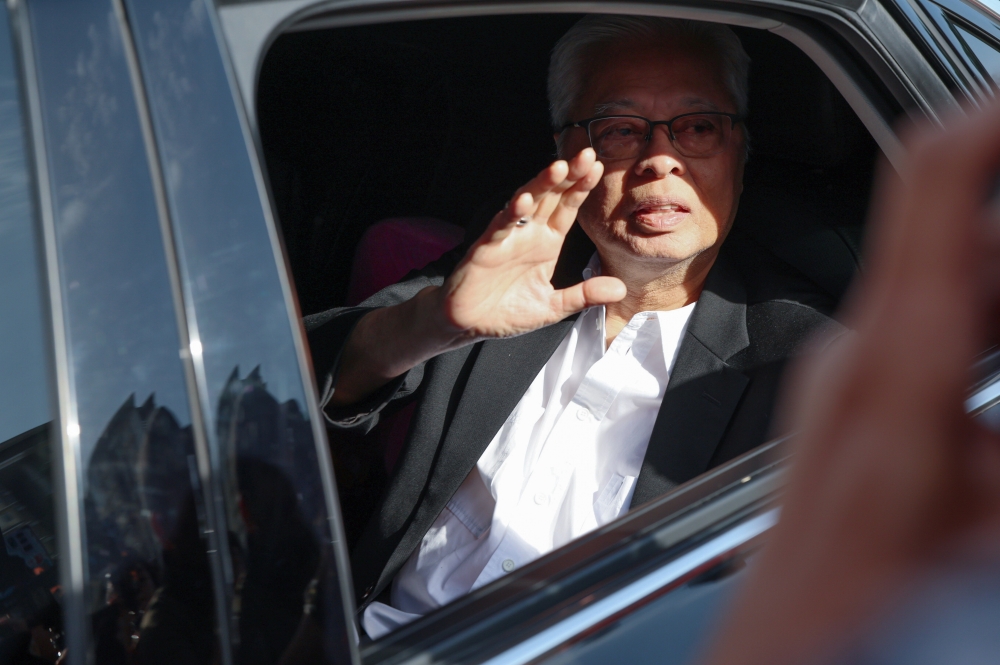
Prime Minister Datuk Seri Anwar Ibrahim made a personal visit to the Institut Jantung Negara (IJN) in Kuala Lumpur to see both Deputy Prime Minister Datuk Amar Fadillah Yusof and former Prime Minister Datuk Seri Ismail Sabri Yaakob, who are currently receiving treatment at the facility. The simultaneous hospitalisation of two senior political figures has drawn attention to the wellbeing of Malaysia's top leadership during a demanding period for the government.
Anwar's decision to visit both men underscores the importance placed on maintaining cordial relations across the political landscape, particularly given Ismail Sabri's role as head of the United Malays National Organisation (UMNO), the largest component of the ruling coalition. The gesture reflects a diplomatic approach within the Madani administration, which depends on cross-party cooperation to maintain its parliamentary majority. Such visits serve multiple purposes—demonstrating concern for colleagues while reinforcing public messaging about the stability of the administration.
Fadillah, who holds one of Malaysia's most senior government positions as Deputy Prime Minister, has been an important pillar in the coalition government representing Sarawak's interests at the federal level. His presence in the cabinet has been instrumental in maintaining the political coalition's equilibrium, particularly in balancing the interests of Peninsular and East Malaysian states. The circumstances of his hospitalisation have not been widely detailed, though such medical episodes affecting top officials inevitably raise questions about succession planning and continuity of governance.
Ismail Sabri's position as UMNO president makes his health status a matter of significance for the party machinery and the broader political ecosystem. UMNO, despite its loss of power in 2018, remains the dominant Malay-Muslim party and its internal dynamics continue to shape the political narrative. The former Prime Minister's hospitalisation creates a temporary void in party leadership decisions, though as a former head of government with considerable experience, his eventual return is expected to resume a guiding role within the party's senior echelons.
The National Heart Institute, where both are being treated, is Malaysia's premier cardiac care facility and regularly treats high-profile patients. Cardiac health issues affecting senior leaders are not uncommon given the stress and intensity of holding top governmental positions. The specialised care available at IJN ensures that patients receive treatment from the country's most experienced heart specialists using state-of-the-art technology.
Anwar's visit represents a continuity of Malaysian political culture, where expressions of goodwill across party lines during personal health crises are generally observed. Such gestures help maintain the social fabric underlying political competition and demonstrate that institutional relationships transcend partisan affiliations. The symbolic importance of a Prime Minister visiting opposition-aligned figures or coalition partners in hospital reinforces public confidence in the maturity of Malaysia's political institutions.
The timing of these hospitalisations coincides with a period when the government has been navigating various policy challenges and maintaining legislative support. Any prolonged absence of key coalition partners or senior UMNO figures could theoretically impact parliamentary dynamics, though the coalition maintains sufficient numbers to govern even with temporary absences. Nevertheless, the incidents highlight the physical demands of high office and the importance of robust institutional structures that can absorb the temporary incapacity of individual leaders.
For Anwar personally, the visits present an opportunity to demonstrate presidential statesmanship and reinforce his image as a leader capable of transcending party boundaries for the national interest. His interaction with former rivals and coalition partners during such vulnerable moments can contribute to building broader political consensus. The government's stability is ultimately strengthened when different political factions maintain functional relationships and demonstrate concern for each other's wellbeing beyond electoral competition.
The recovery of both Fadillah and Ismail Sabri remains a priority for their respective political formations and for the government's operational continuity. Both men bring accumulated experience and institutional knowledge that cannot easily be replicated. Fadillah's role in managing East Malaysian concerns within the federal structure and Ismail Sabri's influence within UMNO's decision-making circles are areas where their absence, if prolonged, could create complications for policy implementation and coalition management.
The incident also serves as a broader reminder of the importance of succession planning and institutional deepening within political parties and government agencies. While Malaysia has generally managed transitions of top leadership, developing stronger bench strength and clearer succession protocols remains an ongoing governance challenge. The presence of capable alternative leaders ready to assume responsibilities is crucial for political stability during unforeseen circumstances.
Anwar's well-wishes for both men's recovery reflect the interconnected nature of Malaysia's political system, where cooperation among elites remains essential for effective governance despite public disagreements. Such moments of human vulnerability and institutional solidarity, played out before public scrutiny, reinforce the legitimacy of political institutions and demonstrate that the system functions based on underlying consensus about democratic norms and elite conduct.

