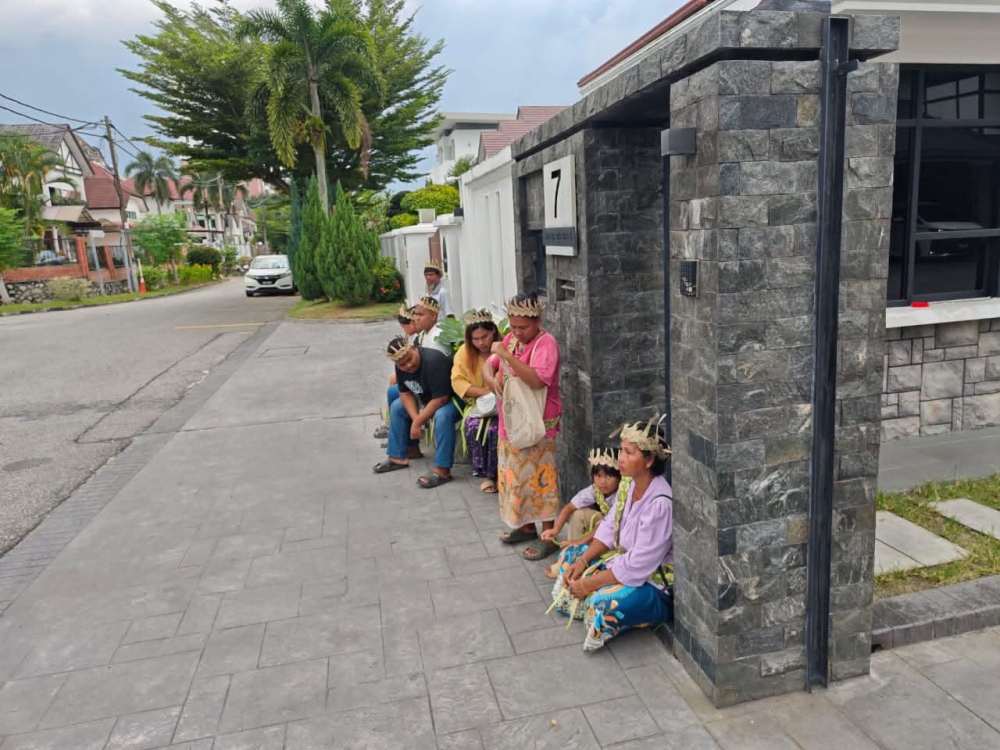
Prime Minister Datuk Seri Anwar Ibrahim has pledged to take up the contentious land dispute affecting Orang Asli residents in Maran with the Pahang state government, following his engagement with villagers facing displacement concerns. The commitment emerged after the Prime Minister conducted ground-level discussions with affected community members, underscoring his administration's renewed focus on indigenous land rights and welfare issues that have festered in the state for years.
The Maran land dispute represents one of several unresolved conflicts between Orang Asli populations and development interests across Peninsular Malaysia. These communities, recognised as Malaysia's indigenous peoples, have historically faced pressure from commercial activities, agricultural expansion, and infrastructure projects that encroach on ancestral territories. The situation in Maran exemplifies broader systemic challenges in land tenure security for Orang Asli groups, whose customary claims often lack formal legal recognition despite constitutional protections theoretically afforded to them.
Anwar's intervention signals a potential shift in how federal leadership approaches indigenous grievances. Previous administrations frequently sidelined such concerns as state-level matters, allowing disputes to linger without resolution. By publicly committing to engage the Pahang government directly, the Prime Minister appears to be asserting federal responsibility in ensuring that development does not systematically marginalise indigenous populations. This approach carries implications for how Malaysia manages the broader tension between economic progress and protecting vulnerable communities' rights.
The decision to visit Maran and listen to villagers reflects a tactical political move as well. The Orang Asli electorate, though numerically small, represents a significant bloc in certain constituencies across Pahang, Perak, and Johor. By demonstrating responsiveness to their grievances, the federal government strengthens its standing among these communities and signals broader commitment to inclusive governance. For a Prime Minister navigating coalition politics and striving to build consensus across diverse constituencies, such engagement carries both symbolic and substantive weight.
Pahang, as the largest state by area in Peninsular Malaysia, hosts substantial Orang Asli populations living in both established settlements and more remote forest regions. The state government's track record on indigenous rights has been mixed, with development priorities often superseding land protection measures. Escalating the matter to federal level suggests that existing state-level mechanisms have proven inadequate for resolving long-standing disputes, necessitating intervention from Kuala Lumpur to ensure equitable outcomes.
The Orang Asli land question extends beyond individual disputes to fundamental questions about property rights, environmental stewardship, and social equity. Many communities depend on forest resources for subsistence, cultural practices, and economic livelihoods. When land is appropriated for development without adequate consultation or compensation, entire ways of life face disruption. Malaysia's international obligations under conventions addressing indigenous rights further underscore the urgency of resolving such disputes comprehensively rather than through piecemeal approaches.
For Malaysian observers tracking indigenous affairs, Anwar's statement provides a testing point for whether federal commitments translate into concrete action. Previous promises have occasionally stalled in bureaucratic processes or been subordinated to other priorities once initial public attention faded. The effectiveness of his intervention will depend on whether the federal government allocates resources, establishes timelines, and creates enforcement mechanisms to ensure Pahang's compliance with any agreed-upon resolutions.
Regionally, Malaysia's handling of Orang Asli disputes carries significance for how other Southeast Asian nations approach their own indigenous populations. Countries including Thailand, Cambodia, and Vietnam face similar tensions between development imperatives and indigenous land rights. Malaysia's trajectory in resolving such conflicts establishes precedents and norms that influence regional discourse on indigenous protection standards.
The path forward likely involves mediated negotiations between the Pahang state government, affected Orang Asli communities, and federal representatives. Such processes typically require identifying alternative solutions that accommodate both development objectives and indigenous welfare, whether through land swaps, compensation packages, or modifications to project designs. Success depends on genuine consultation where Orang Asli voices substantially influence outcomes rather than serving as mere formalities in predetermined decisions.
Anwar's commitment also reflects evolving standards within Malaysia's political landscape regarding indigenous affairs. Civil society organisations and human rights advocates have increasingly scrutinised government handling of Orang Asli matters, creating political pressure for more transparent and equitable processes. The Prime Minister's public pledge subjects his administration to accountability, with communities and observers monitoring whether his words materialise into meaningful policy changes.
The Maran dispute, while specific to one locality, exemplifies challenges that require systemic rather than ad-hoc responses. A comprehensive approach might involve reviewing land recognition procedures, strengthening indigenous consultation mechanisms, and ensuring equitable resource distribution from development projects undertaken in areas with Orang Asli populations. Federal leadership engagement provides an opportunity to establish such frameworks rather than merely resolving individual grievances.
As Anwar pursues this matter with Pahang authorities, stakeholders across Malaysia will assess whether his administration can move beyond rhetorical commitments to deliver tangible improvements in how indigenous communities' rights are protected and respected within the country's development framework.

