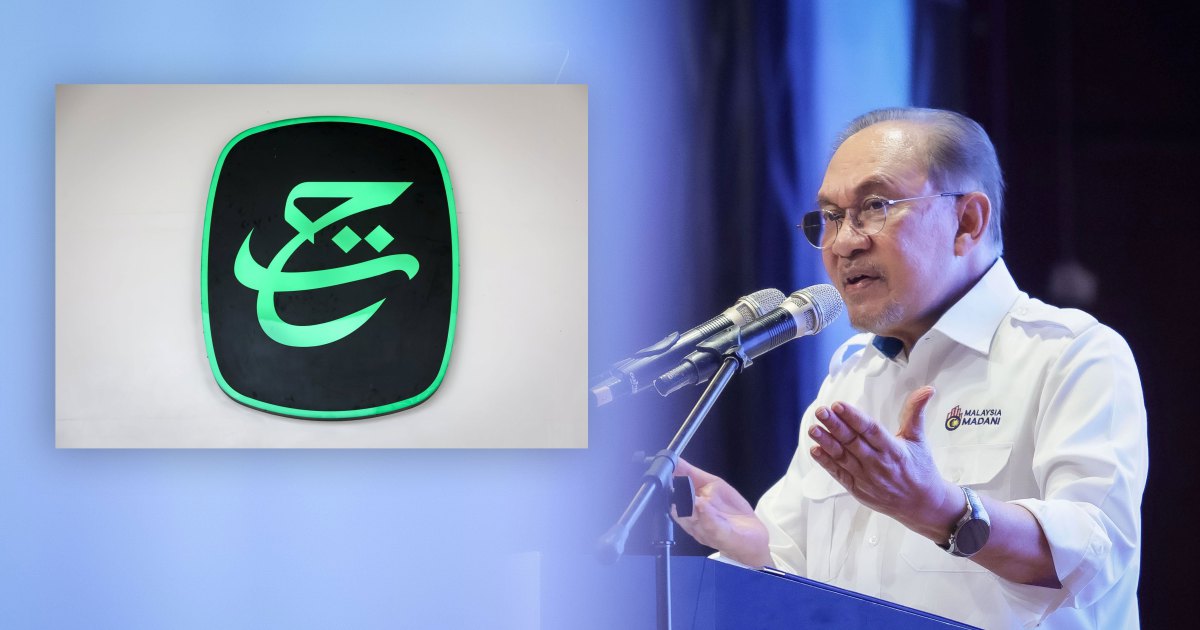
Prime Minister Datuk Seri Anwar Ibrahim has drawn a firm line on accountability within Lembaga Tabung Haji, insisting that individuals responsible for alleged mismanagement and losses at the pilgrimage fund cannot escape scrutiny. Speaking in Jelebu, Anwar made clear that anyone implicated in wrongdoing will face investigations and potential prosecution provided the evidence is sufficiently robust, signalling the government's commitment to rooting out systemic issues that have plagued the institution.
The stance represents a decisive shift in how the administration intends to handle the longstanding controversy surrounding TH, an entity that manages savings for Malaysian Muslims preparing for the Hajj pilgrimage. The fund has faced persistent allegations of financial mismanagement and loss of depositors' savings over recent years, generating widespread public concern among the predominantly Muslim demographic who entrust their earnings to the organisation.
Anwar's declaration underscores the political urgency surrounding TH's rehabilitation. The institution has become emblematic of governance failures that eroded public confidence, and addressing it directly has become crucial to the current government's legitimacy, particularly among conservative Muslim voters who represent a substantial electoral base. By publicly committing to accountability measures, Anwar is attempting to demonstrate that his administration will not tolerate institutional corruption regardless of who is implicated.
Lembaga Tabung Haji has encountered significant challenges in recent years stemming from alleged mismanagement of investment portfolios, poor business decisions, and questions about internal governance and oversight mechanisms. The resulting financial strain has affected the fund's ability to deliver expected returns to savers, triggering complaints and calls for comprehensive reform. Previous investigations and audits have raised troubling questions about decision-making processes and the adequacy of checks and balances within the organisation's leadership.
The Prime Minister's commitment to prosecution conditional on sufficient evidence sets a legal threshold that suggests the government recognises the necessity of building watertight cases. This procedural caution is prudent given Malaysia's judicial environment and the possibility that implicated officials may mount vigorous legal defences. It also implies that ongoing investigations will need to produce documentary evidence, financial records, and potentially witness testimony capable of withstanding courtroom scrutiny.
For Malaysian depositors and prospective pilgrims, Anwar's pledge carries both reassurance and uncertainty. The promise of accountability indicates the government takes their grievances seriously, yet the conditional nature—prosecution only if evidence permits—suggests that not all suspected wrongdoing may result in legal consequences. This reality may frustrate those seeking swift, visible justice for their financial losses.
The broader context involves TH's desperate financial position, which has necessitated government bailouts and capital injections to keep the institution operational. These rescue packages, amounting to billions of ringgit, represent public funds diverted to stabilise an organisation that failed to protect its core function. Understanding why such losses occurred and holding decision-makers accountable becomes essential to prevent recurrence and restore institutional credibility.
Investigative agencies in Malaysia will need to work systematically through complex financial transactions, board minutes, and historical decisions to construct compelling cases. The nature of alleged wrongdoing—often involving investment decisions made under circumstances that may have seemed reasonable at the time, or governance lapses rather than overt theft—complicates prosecution efforts. Distinguishing between negligence and criminal conduct requires careful legal analysis.
The political dimension of Anwar's statement cannot be overlooked. His administration faces competing pressures: demonstrating intolerance for corruption while avoiding the appearance of selective prosecution against political opponents. The TH controversy, having emerged gradually over multiple administrations, potentially implicates officials across the political spectrum, making impartial investigation essential to avoid accusations of vendetta.
Regional observers and international ratings agencies monitoring Malaysia's governance trajectory will view Anwar's commitment closely. The ability to successfully prosecute institutional corruption serves as a benchmark for claims about reform and anti-corruption credentials. Conversely, failure to deliver convictions despite publicly stated intentions could further damage government credibility.
For the Islamic finance sector more broadly, TH's troubles carry cautionary implications. The fund represents one of Malaysia's largest faith-based financial institutions, and its struggles raise questions about governance standards in the broader Islamic banking and takaful sectors. Restoring confidence in TH therefore extends beyond immediate depositors to encompassing the entire ecosystem of Islamic financial institutions in Malaysia.
Moving forward, investigating authorities must balance thoroughness with efficiency. Malaysian depositors have already endured years of uncertainty and financial anxiety; protracted investigations that ultimately produce no prosecutions would compound their frustration. At the same time, rushing flawed cases to trial risks acquittals that further undermine public faith in the justice system.
Anwar's declaration ultimately places the burden on investigative and prosecutorial agencies to justify his confidence by delivering substantive results. Whether this commitment translates into tangible accountability for TH's failures will largely determine whether his administration succeeds in one of its symbolic governance tests.

