Prime Minister Datuk Seri Anwar Ibrahim has signalled that developments surrounding Malaysia's pursuit of hosting Formula One will culminate in an announcement in the immediate term, marking a pivotal moment in the nation's sporting ambitions. Speaking in Bukit Mertajam on July 25, the Prime Minister indicated that negotiations and discussions regarding a potential return of the prestigious motorsport event have reached a stage where clarity can be provided to the public. His remarks suggest that substantial progress has been achieved in behind-the-scenes talks with Formula One stakeholders.
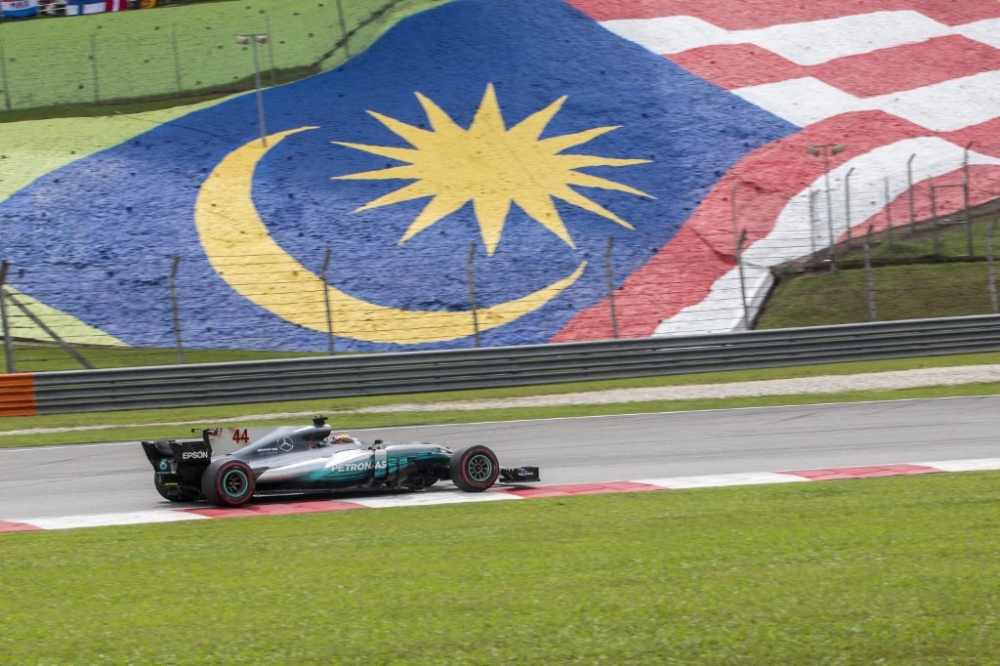
The return of Formula One to Malaysia would represent a significant milestone for the country's sporting landscape, particularly given the track record established during the Kuala Lumpur Grand Prix era. Malaysia previously hosted the sport at the Sepang International Circuit for two decades, becoming a fixture on the Formula One calendar and establishing itself as a major motorsport venue in Southeast Asia. The circuit hosted the Malaysia Grand Prix from 1999 until 2017, during which time it became known for hosting competitive races and attracting substantial international attention to the nation.
The economic and sporting implications of such a return are considerable. Formula One events generate substantial direct and indirect economic benefits for host nations, including tourism revenue, employment opportunities, and infrastructure development. For Malaysia, a successful bid would underscore the country's capacity to organise world-class sporting events and position it as a regional hub for premium motorsports experiences. The announcement of Anwar's decision carries weight beyond mere sporting interest, touching upon national prestige and economic strategy.
The timeline of negotiations and the current status of discussions remain matters of public speculation, but the Prime Minister's indication of an imminent announcement suggests that critical junctures in the negotiation process have been reached. This could involve discussions with Formula One management regarding race calendar positioning, circuit specifications, financial arrangements, and other operational requirements necessary for hosting a Grand Prix. The involvement of the Prime Minister's office in such deliberations underscores the political and strategic importance attached to the matter.
Malaysia's competitive position within the region for hosting major sporting events has become increasingly important as nations across Southeast Asia vie for international fixtures. The decision to pursue Formula One's return reflects broader governmental objectives to elevate Malaysia's profile as a destination for international sporting events and to leverage such opportunities for broader developmental gains. Competition from other potential venues, both regionally and globally, means that successful negotiation requires coordinated effort and significant commitment from government stakeholders.
The Sepang International Circuit, which would likely be the venue for any Formula One event, has undergone various developments and renovations since the conclusion of its previous hosting arrangement. The facility's current capabilities and readiness to accommodate contemporary Formula One requirements would form a crucial component of negotiations. Circuit specifications have evolved over time, and compliance with current safety standards, technology requirements, and hospitality expectations would be necessary preconditions for hosting the sport.
For Malaysian motorsports enthusiasts and the broader population, the prospect of Formula One's return generates considerable interest and anticipation. The sport commands global audiences in the hundreds of millions, providing unprecedented exposure for the host nation. International media coverage, global broadcasting reach, and the influx of international visitors associated with Formula One events create opportunities for showcasing Malaysia's capabilities and attractions to worldwide audiences. This dimension of sporting diplomacy has become increasingly recognised as valuable for national branding.
The announcement methodology chosen by the Prime Minister—indicating that news will be forthcoming rather than providing immediate details—reflects standard governmental practice for significant policy announcements. This approach allows for proper coordination across relevant ministries, coordination with Formula One officials, and preparation of comprehensive briefing materials. It also ensures that key stakeholders, including relevant state governments and industry representatives, can be appropriately informed before public disclosure.
Looking forward, the decision and subsequent implementation would likely involve multiple government agencies working in coordination with circuit operators, international sporting bodies, and commercial partners. The complexity of organising Formula One events requires meticulous planning across numerous domains including transportation, security, hospitality, environmental considerations, and emergency services. Successful hosting would demonstrate Malaysia's capacity to manage intricate international sporting operations while addressing associated challenges.
The broader context of Malaysia's sporting development strategy positions Formula One within a larger portfolio of international events and initiatives. Government emphasis on positioning Malaysia as a premium destination for international sporting occasions has seen investment in infrastructure, policy frameworks, and promotional efforts. Whether F1's return materialises will depend on the outcomes of ongoing negotiations, but the prospect reflects Malaysia's continued ambition to secure prestigious international sporting fixtures and maintain relevance as a major Asian sporting hub.

