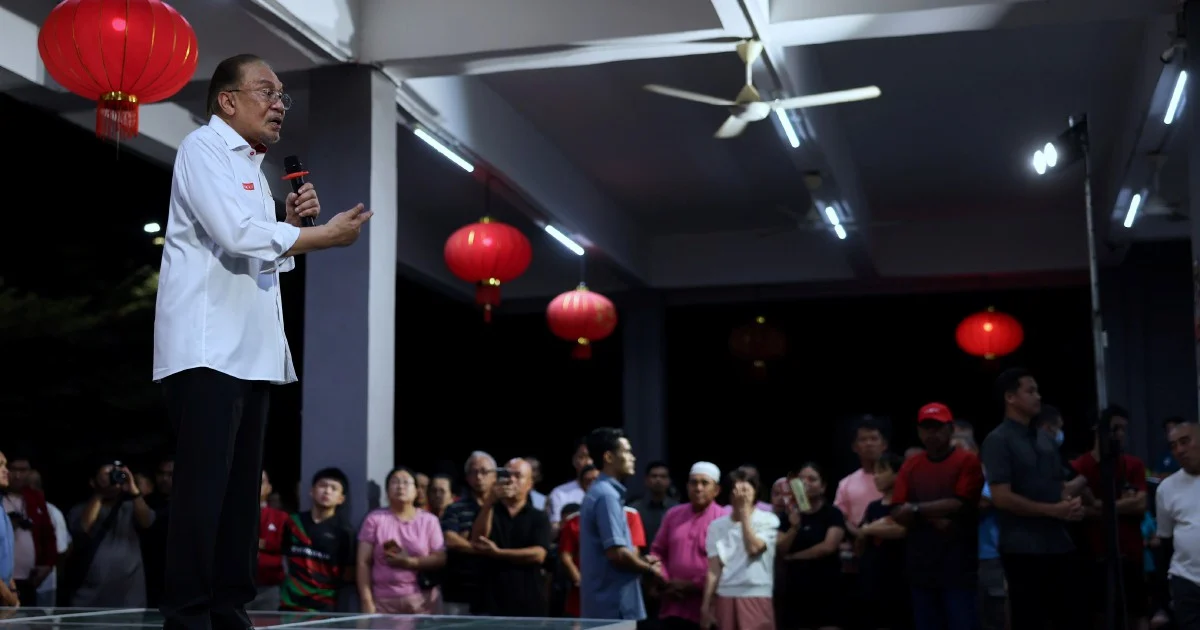
Prime Minister Datuk Seri Anwar Ibrahim has committed to placing Malaysia's deteriorating durian export situation at the forefront of his diplomatic agenda during a scheduled visit to China next month, specifically raising the matter with Chinese Premier Li Qiang. The move underscores growing concerns about the economic squeeze facing domestic growers, who are grappling with a surfeit of supply that has pushed prices to historically weak levels across producing regions.
The decision to elevate the durian crisis to high-level bilateral talks reflects the sector's strategic importance to Malaysia's agricultural economy and rural livelihoods. Durian, marketed internationally as the "king of fruits," generates substantial foreign exchange earnings and supports thousands of farming families particularly in states like Johor, Pahang, and Perak. The current price downturn, driven partly by oversupply in regional and global markets, has directly eroded farmer incomes and threatens the viability of numerous plantations.
Malaysia's durian sector faces headwinds from multiple directions. Neighbouring Thailand and Vietnam have dramatically ramped up production over recent years, flooding Asian markets with competing supplies and intensifying downward pricing pressure. Simultaneously, demand patterns in traditional markets have shifted, with Chinese consumers showing selective purchasing behaviour despite China remaining the single largest destination for Malaysian durian exports. This combination has created what industry observers describe as a buyer's market, where producers lack leverage to negotiate favourable terms.
China's role in Malaysia's durian fortunes cannot be overstated. The country accounts for the overwhelming majority of Malaysian durian exports, with shipments valued at billions of ringgit annually during peak seasons. Chinese New Year and summer holidays typically trigger demand spikes, but market dynamics have recently become unpredictable. Addressing these concerns directly with the Chinese premier represents a strategic choice to seek policy-level cooperation on trade facilitation and market access expansion.
Anwar's initiative suggests the Malaysian government views enhanced diplomatic engagement as essential to stabilising the sector. Beyond merely discussing the problem, such high-level conversations often open pathways toward practical solutions: streamlined customs procedures for durian shipments, regulatory harmonisation that reduces non-tariff barriers, and coordinated promotion of Malaysian durian in Chinese provincial markets beyond the traditional coastal centres. These mechanisms can meaningfully influence trade flows and farm gate prices.
The broader Southeast Asian context adds urgency to Malaysia's push. Thailand's durian plantations now rival Malaysia's in scale and increasingly compete aggressively on price. Vietnam's rapid sector expansion, particularly in the Mekong region, has introduced new competitive pressures. For Malaysia to maintain its premium positioning—a goal complicated by the current price slide—renewed market access and preferential trade arrangements become critical strategic objectives. Competition for Chinese market share has intensified into something resembling a regional competition.
The durian glut affecting Malaysia is partially self-inflicted; aggressive planting over the past decade was premised on sustained demand growth that has not fully materialised. Weather patterns have also conspired to create harvest timing bunches that flood markets simultaneously, preventing the controlled supply release that would support healthier pricing. These structural issues require longer-term remedies including cultivation planning coordination, harvest staggering through better agronomic practices, and value-addition through processing and product diversification.
From a Malaysian perspective, securing Chinese government cooperation on durian matters carries implications extending beyond farmers' incomes. Agricultural trade represents a visible signal of Malaysia-China bilateral relations, and difficulties in the sector can inflame political sentiment domestically if blamed on diplomatic shortcomings. Conversely, resolving export challenges through effective negotiation demonstrates government responsiveness to constituency concerns and reinforces confidence in diplomatic channels. This domestic political dimension shapes why prime ministerial intervention receives such prominence.
China's responsiveness to Malaysian overtures will ultimately determine whether this diplomatic engagement yields tangible results. The Chinese government has substantial leverage over its import regulations, logistics infrastructure, and market promotion mechanisms. Whether Beijing is willing to prioritise Malaysian durian access above competing interests—including support for Thai and Vietnamese producers through its own trade relationships—remains uncertain. Balancing multiple agricultural trade relationships across Southeast Asia represents a complex geopolitical calculus for Chinese policymakers.
The timing of Anwar's visit carries significance in the agricultural calendar. Summer months typically see declining durian availability as the season winds down, potentially creating seasonal opportunities for renewed demand. Establishing frameworks for more efficient trading during the subsequent season could provide meaningful relief to growers facing immediate cash flow pressures. Market stabilisation measures agreed during the Beijing discussions could set parameters for year-round trade management rather than ad-hoc crisis responses.
Looking ahead, Malaysia's durian sector requires both immediate relief through expanded market access and long-term structural reform. The government's willingness to engage diplomatically on the issue signals recognition that market forces alone may prove insufficient. Chinese cooperation—whether through regulatory adjustments, promotional campaigns, or preferential import arrangements—could prove decisive in supporting farm incomes and sustaining the sector's viability through the current downturn.
Ultimately, Anwar's Beijing engagement represents an attempt to convert Malaysia's historical durian reputation and established market position into sustained competitive advantage. Whether diplomatic channels can effectively address fundamentally agricultural and economic challenges, however, remains to be determined by subsequent outcomes in trade flows and pricing.

