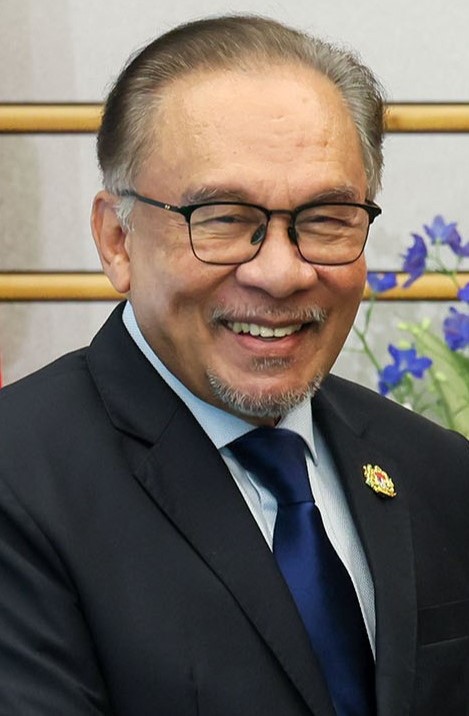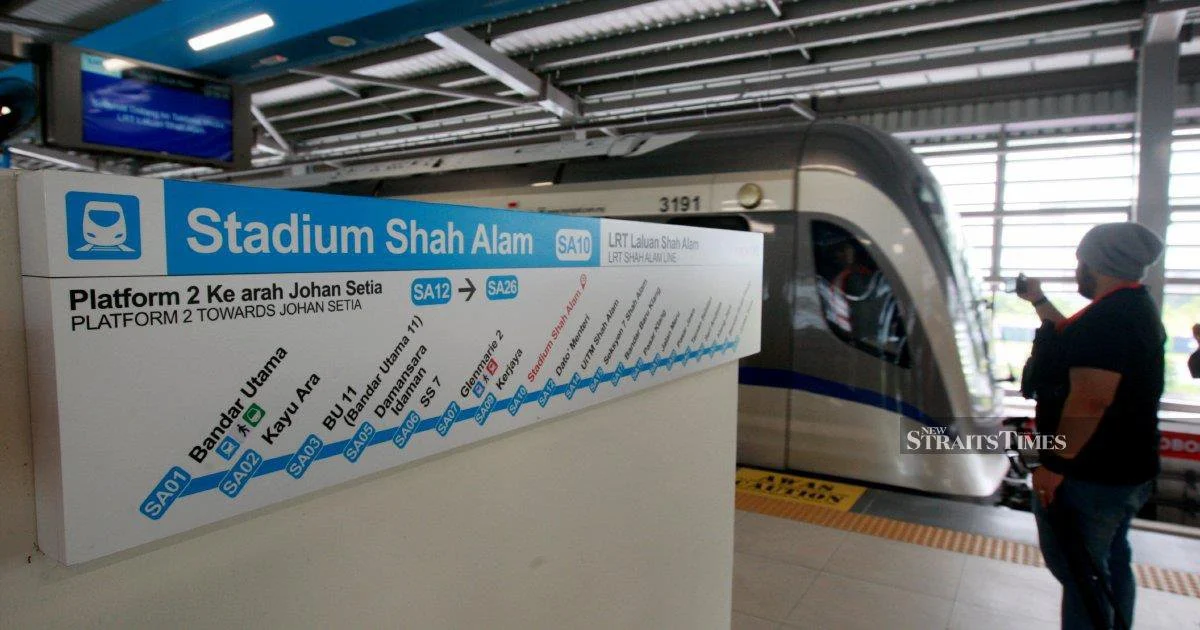
Prime Minister Datuk Seri Anwar Ibrahim is set to formally open the new Light Rail Transit Line 3 (LRT3) Shah Alam extension this coming Sunday, marking a significant milestone in the Klang Valley's ongoing expansion of rapid transit infrastructure. The ceremony will precede the commencement of commercial operations scheduled for Monday, positioning the project as a substantial addition to the metropolitan region's public transportation network.
The LRT3 Shah Alam line represents an extension of the existing LRT3 system, which first opened in 2016 connecting Bandar Utama and Klang. The new segment extends this rapid transit corridor to serve Shah Alam, a major industrial and residential hub within Selangor state. This expansion reflects years of planning and construction aimed at reducing traffic congestion in the greater Klang Valley area, which encompasses Kuala Lumpur and its satellite cities.
Geographically, the Shah Alam extension strengthens connectivity between one of Malaysia's primary manufacturing and commercial zones and the broader metropolitan transit ecosystem. Shah Alam, the capital of Selangor, hosts numerous multinational corporations, automotive plants, and electronics manufacturers, making improved public transportation access particularly relevant for the region's workforce and supply chain efficiency. Better linkages via rapid transit are expected to ease congestion on major highways serving the area.
The opening of this line comes amid Malaysia's broader push to modernise urban mobility in the Klang Valley, a region housing roughly half the nation's population. The government has prioritised public transport expansion to reduce private vehicle dependency and associated environmental concerns. The LRT3 Shah Alam extension aligns with these objectives whilst serving a major employment and commercial corridor.
For commuters in Shah Alam and neighbouring districts, the new service offers a more reliable alternative to road-based transport during peak hours. The extension is expected to particularly benefit workers commuting to and from Shah Alam's industrial zones, reducing their reliance on personal vehicles and inter-city buses. The line also provides easier access to other LRT and monorail connections through the existing network, creating more comprehensive journey options across the metropolitan area.
The timing of the launch holds symbolic importance as it demonstrates progress on transport infrastructure at a moment when the government faces scrutiny over the pace of development projects. The LRT3 network, originally developed by the previous administration but now operating under current oversight, represents tangible capacity expansion in a sector where demand consistently outpaces supply.
Economically, enhanced public transport connectivity typically generates positive externalities including increased property valuations in served areas, reduced fuel expenditure for regular commuters, and improved business activity through better workforce mobility. Shah Alam's position as a major industrial centre means these benefits could have meaningful implications for regional productivity and competitiveness.
The inauguration ceremony also provides the Prime Minister with an opportunity to showcase infrastructure delivery to voters and stakeholders. Public transport expansion typically resonates well in urban constituencies where congestion and traffic remain persistent complaints. The LRT3 Shah Alam opening therefore carries political dimensions alongside its practical transportation benefits.
Operationally, the commencement of service on Monday will require integration with existing station management, ticketing systems, and maintenance protocols. The expanded line necessitates coordination between multiple agencies including the Ministry of Transport, Prasarana Malaysia Berhad (which operates the LRT system), and local authorities in Shah Alam and surrounding areas.
Looking forward, the Shah Alam extension is positioned as part of longer-term plans to further expand rapid transit coverage across the Klang Valley. Other proposed projects, including additional MRT (Mass Rapid Transit) lines and extensions to existing networks, remain under various stages of development and approval. The LRT3 opening thus signals continuity in transport infrastructure investment despite budgetary pressures and competing development priorities.
The launch event itself, scheduled for Sunday before Monday's service commencement, will allow the Prime Minister and accompanying officials to tour the facilities, review operational readiness, and make formal remarks regarding the project's significance. Such ceremonies traditionally include inspections of stations, platform infrastructure, and rolling stock to verify completion and safety standards before public use begins.
For residents across the Klang Valley region, the operational commencement of the LRT3 Shah Alam line represents tangible expansion of mobility options that may alter commuting patterns and travel behaviour over coming months. The effectiveness and uptake of the new service will likely influence future public transport investment decisions and policy prioritisation across Malaysia's urban development agenda.