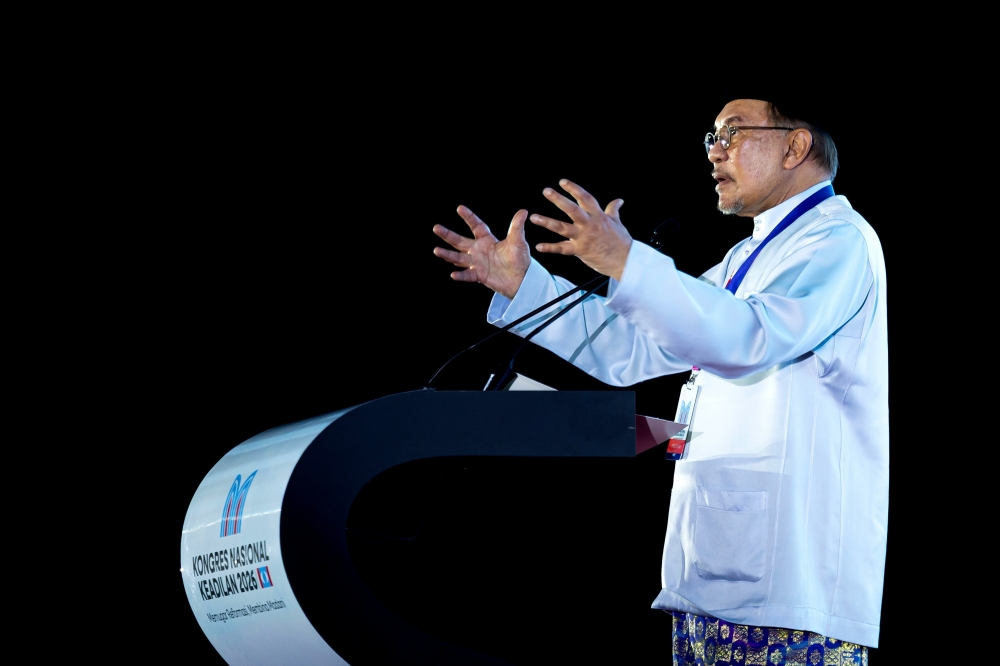
Prime Minister Datuk Seri Anwar Ibrahim has indicated that substantial policy revisions and strategic shifts are imminent, with the initial announcements set to roll out from Monday onwards. Speaking in Melaka, the Prime Minister suggested that these modifications represent urgent governmental priorities requiring immediate implementation before the presentation of Budget 2027, underscoring the administration's commitment to addressing pressing national challenges.
The timing of these announcements reflects a deliberate sequencing strategy within the government's calendar. By introducing policy changes before the formal budget presentation, the administration appears intent on establishing a narrative framework that will shape the subsequent budgetary allocations and spending priorities. This approach mirrors established practice where governments lay groundwork for major fiscal initiatives through prior policy announcements, allowing ministries and agencies time to adjust operational parameters.
While Anwar did not elaborate extensively on the specific nature of these forthcoming changes, the characterisation of them as "urgent" suggests they address deficiencies or challenges that have accumulated or become more pressing in recent months. For Malaysian readers and regional observers, such announcements typically encompass structural reforms within government agencies, modifications to regulatory frameworks, or initiatives designed to enhance administrative efficiency and service delivery.
The prospect of multiple announcements unfolding across several days rather than through a single comprehensive statement indicates the government's recognition that different policy domains require tailored communication strategies. Each announcement may be directed toward specific stakeholder groups—whether civil service constituencies, business chambers, international investors, or particular demographic segments—necessitating distinct messaging and implementation pathways.
From a Southeast Asian perspective, Anwar's signalling of reform measures carries broader implications. Malaysia continues to position itself as a progressive economy within the region, competing with neighbours for foreign direct investment and maintaining institutional credibility. Policy announcements that demonstrate governmental agility and responsiveness to contemporary challenges reinforce that positioning and signal to international observers that the administration remains focused on modernisation and adaptation.
The budget cycle traditionally serves as an anchor point for government communication about fiscal priorities. By distributing policy announcements across the period preceding the budget presentation, the Prime Minister's office creates multiple news cycles and maintains sustained public attention on the administration's agenda. This strategy also permits incremental adjustment of public expectations and stakeholder positions before the formal budget documents emerge.
For Malaysian civil society organisations, business associations, and institutional observers, these forthcoming announcements warrant close attention. The initial disclosures on Monday will establish patterns and priorities that frequently extend into subsequent budgetary measures. Early signals about government thinking on particular policy domains often precede detailed legislative or regulatory changes announced through ministry channels later in the budgetary process.
The emphasis on urgency carries particular weight in the Malaysian political context. Anwar's characterisation of these changes as pressing matters suggests the government has identified bottlenecks or systemic challenges that demand priority resolution. Whether these involve labour market reforms, infrastructure investment protocols, regulatory streamlining, or social programme modifications remains to be clarified through the formal announcements, but the urgent framing indicates their importance to the government's overarching strategic objectives.
Budget 2027 represents a significant planning horizon for Malaysia, spanning the completion of ongoing developmental projects and the initiation of longer-term strategic initiatives. Policy groundwork laid now through these preliminary announcements will fundamentally shape the budgetary framework when formally presented, creating pathways for specific resource allocation patterns and institutional reorganisations that ministries must accommodate.
The Prime Minister's public signalling of change also serves an important constitutional and institutional function. By providing advance notice of policy modifications, the government demonstrates respect for parliamentary and consultative processes, allowing stakeholders adequate time to prepare submissions, formulate responses, and integrate new requirements into operational planning. This transparency-oriented approach enhances the legitimacy of subsequent policy implementation and reduces friction from unexpected institutional demands.
For Malaysian business sectors and professional communities positioned to be affected by these changes, the announcement schedule provides opportunity for proactive engagement with relevant government bodies. Understanding that multiple policy domains will experience modification in the coming period allows different constituencies to anticipate requirements and initiate dialogue with appropriate authorities before implementation details become finalised.
The sequential release of announcements beginning Monday represents a calculated communication strategy that extends the government's engagement with public discourse across multiple news cycles. Rather than concentrating policy announcements in a compressed timeframe that might overwhelm media attention or stakeholder absorption capacity, the staged approach ensures sustained visibility for the administration's reform agenda.

