The wait for the much-anticipated candidate lineup in the Negeri Sembilan state election will end this week when Pakatan Harapan convenes a major political gathering to unveil its chosen representatives. Prime Minister Datuk Seri Anwar Ibrahim will preside over the candidate announcement ceremony at Dataran Melang in Kuala Pilah on Tuesday, July 14, signalling the formal commencement of what promises to be a closely watched electoral contest in the state. The timing of the announcement comes as the coalition moves into high gear ahead of the August 1 polling day, with nomination day set for July 18 just four days after the candidate reveal.
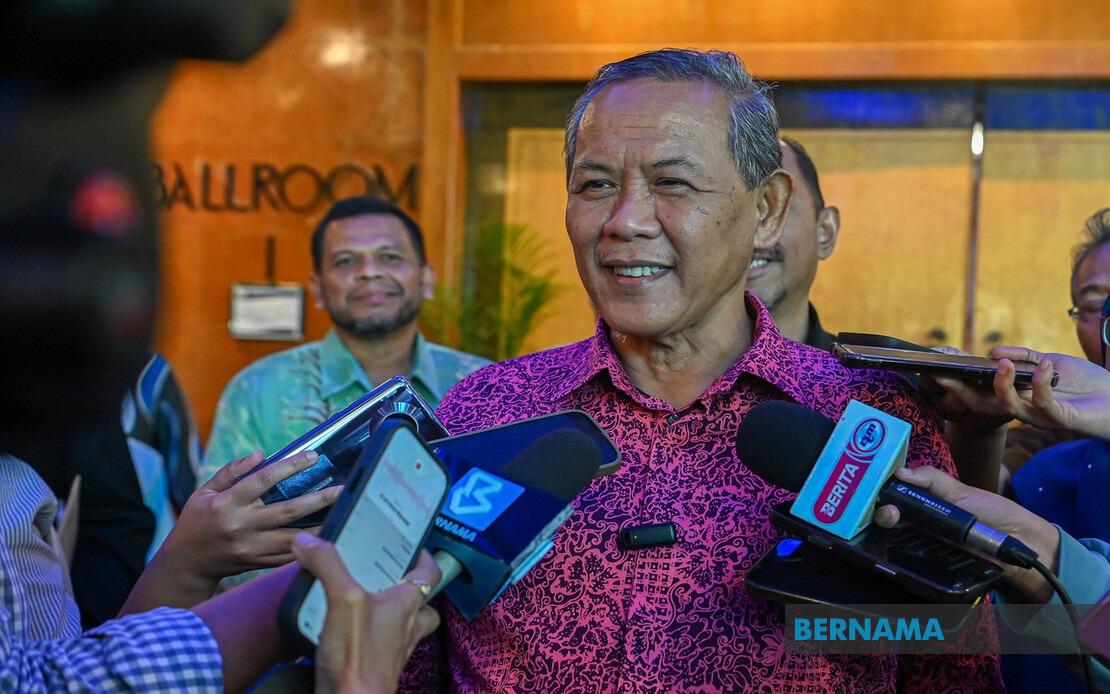
Negeri Sembilan PKR chairman Datuk Seri Aminuddin Harun confirmed that the coalition has completed its internal vetting process and finalised the comprehensive list of candidates across all three component parties. Speaking to journalists in Seremban on Monday, Aminuddin indicated that the deliberations involving senior party figures have concluded, paving the way for the public unveiling of the names and seat allocations that will define the battle for control of the state assembly. The structured timeline reflects the electoral commission's compressed calendar, leaving little margin for error as parties prepare their machinery for the campaign sprint.
Pakatan Harapan's seat distribution has already been determined through previous negotiations between its three constituent parties. The allocation sees PKR fielding 16 candidates across the available state seats, while the Democratic Action Party will contest 11 seats and Amanah will put forward candidates in the remaining nine positions. This configuration represents a careful balance struck among the coalition partners, each seeking to maximise their presence while maintaining the broader alliance that has governed the country since 2022. The 36-seat state assembly has become a focal point of Malaysian electoral politics as both the government coalition and opposition prepare for what analysts view as a critical mid-term test of public support.
Aminuddin himself has become the subject of considerable speculation regarding his own political future, with unconfirmed reports suggesting he may contest the Linggi state seat rather than seeking re-election in his current constituency of Sikamat. When pressed by reporters about these rumours during a public event where he distributed special grants to 342 Rukun Tetangga units across Negeri Sembilan, the Menteri Besar adopted a characteristically cautious stance. His refusal to comment beyond advising patience until the formal announcement suggests that senior coalition figures may face some repositioning in the candidate list, a not uncommon occurrence when parties attempt to strengthen their competitive positioning ahead of statewide contests.
The electoral calendar has compressed significantly, leaving minimal time for candidates to establish themselves and campaign machinery to mobilise effectively once nominations are received on July 18. The early voting period commences on July 28, just ten days after nomination day, meaning candidates will have a condensed campaign window to reach voters. This accelerated timeline underscores the importance of the announcement ceremony on Tuesday, which will allow the chosen representatives to immediately begin grassroots outreach and media engagement. For Pakatan Harapan, the messaging will likely emphasise continuity and development under Aminuddin's stewardship as Menteri Besar since 2018.
The broader political context surrounding this election carries implications extending well beyond Negeri Sembilan's borders. The state has historically been a PH stronghold, though recent performance in other state elections has raised questions about voter satisfaction with government performance on bread-and-butter issues. Economic pressures, cost of living concerns, and infrastructure development expectations will feature prominently in campaign discourse. For Malaysian observers, the Negeri Sembilan result will serve as a barometer of mid-term government support, particularly given the relative stability of the state's electoral landscape compared to more volatile regions.
Opposition parties have meanwhile been preparing their own strategies for the contest, though they typically face resource constraints compared to the governing coalition. The fragmented opposition landscape means that non-PH parties will need to coordinate effectively to present a credible alternative narrative to voters. Negeri Sembilan, being a relatively compact state with established political structures, offers opposition forces a platform to test messaging that could resonate in future larger contests. The state's demography and economic profile also make it representative of broader Malaysian constituencies, lending particular significance to electoral outcomes.
Aminuddin's emphasis on unity and victory during his remarks to journalists reflected the coalition's determination to retain control of the state assembly. His call for all candidates and party activists to focus on campaign efforts once the slate is announced indicates awareness that competitive challenges exist despite PH's historical dominance. The distribution of grants to neighbourhood organisations serves a dual purpose, reinforcing government presence at grassroots level while simultaneously supporting community structures that facilitate campaign organisation. Such tactical moves are standard practice among governing parties seeking to consolidate advantages.
The candidate announcement will likely feature ceremonial elements designed to project confidence and unity within the coalition, even as internal negotiations inevitably involve compromises and difficult choices among ambitious figures seeking nomination. The presence of Anwar at the ceremony sends a signal of the central government's investment in securing the state, demonstrating that the Prime Minister himself regards the election as consequential. Media coverage of the announcement will provide initial analysis of the candidate distribution and perceived strengths or vulnerabilities in the chosen lineup, setting the tone for subsequent campaign narratives.
Looking ahead to the campaign period, both Pakatan Harapan and opposition parties will mobilise volunteers, funding, and political capital to influence voter preferences. Social media, community engagement, and traditional campaigning will intersect to shape the electoral outcome. For Malaysian political observers and analysts, the Negeri Sembilan election serves as an important data point in understanding shifting voter preferences and the durability of the PH coalition in holding government support. The Tuesday announcement marks the transition from internal party deliberations to public contestation, officially launching what will be one of the year's key electoral contests.

