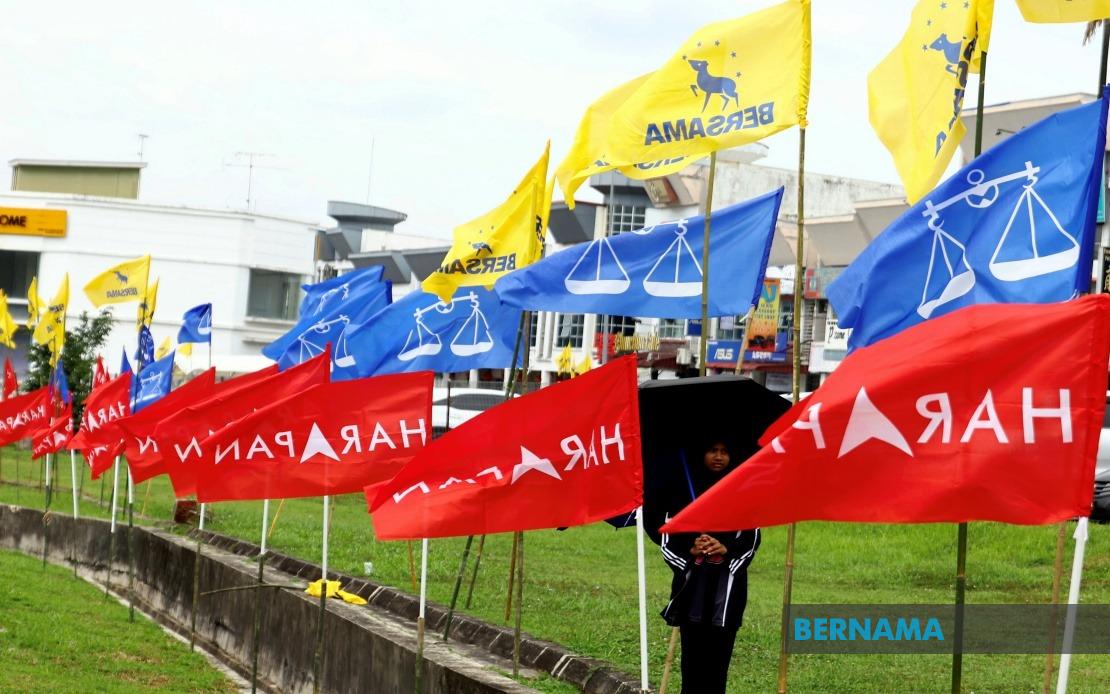
Prime Minister Datuk Seri Anwar Ibrahim has launched a final appeal to voters in Johor ahead of this Saturday's 16th state election, calling on the electorate to grant Pakatan Harapan an opportunity to govern the southern state. Speaking as the coalition chairman, Anwar framed the upcoming ballot as a pivotal moment for Johor's future, emphasising that PH stands ready to prioritise the state's development and welfare should voters deliver them a majority.
With polling day just days away, Anwar's intervention signals the coalition's determination to make inroads in a state that has traditionally been a Barisan Nasional stronghold. Johor's political complexion matters significantly beyond its own borders: as Malaysia's most southerly peninsula state, its governance trajectory influences regional stability and economic performance across the southern corridor. A shift in Johor's political allegiance would reshape the nation's electoral map and signal changing voter sentiment in a crucial demographic zone.
In his social media messaging, Anwar articulated PH's core commitment: that party would defend Johor's specific interests while ensuring prosperity reaches ordinary residents across all communities and income levels. This framing addresses a longstanding concern among Johor voters—that state government should tangibly improve living standards rather than serving narrow factional or crony interests. By invoking divine blessing in his appeal, Anwar also sought to connect with the state's religious sensibilities, a demographic factor that carries particular weight in Johor's electoral calculations.
The coalition chairman also directed a heartfelt message toward Johor-born citizens working elsewhere in Malaysia or abroad, urging them to return home and cast ballots. This appeal recognises a practical reality in Malaysian politics: diaspora votes from successful professionals and migrants living in Kuala Lumpur, Selangor, or Singapore can prove decisive in marginal constituencies. The turnout of these voters, often younger and more economically mobile than those who remained in their home state, frequently tilts close contests.
In a creative touch aimed at resonating with traditional Malay-Muslim culture, Anwar shared a pantun—a classical Malay poetic form—that blended nostalgia for Johor's heritage with exhortation to vote for hope and progress. The verse referenced Johor's culinary tradition (laksa) and ancestral legacy while positioning the ballot as an opportunity to secure the state's advancement. This deployment of traditional cultural forms represents a deliberate strategy to broaden PH's appeal beyond urban, younger, or non-Malay voters toward conservative constituencies that value heritage and continuity.
The 16th Johor state election will see 172 candidates competing across 56 state assembly seats. This scale of contest demands sustained campaigning and resource mobilisation from all competing coalitions. The number of candidates and seats reflects Johor's size and demographic importance—the state remains one of Malaysia's most populous and economically significant, generating substantial tax revenue and employment. Control of the state apparatus therefore carries material consequences for infrastructure investment, business licensing, and patronage distribution.
For PH, winning Johor would represent a major political breakthrough. The coalition secured the federal government in 2022 after the 2020 election but has struggled to translate national office into consistent electoral success at state level. Johor presents a test case of whether PH's federal performance and policy agenda genuinely resonate with voters at the ground level, or whether state-specific grievances and entrenched incumbent advantages continue to limit their reach.
The timing of Anwar's appeal reflects standard election strategy: final messages from party leadership typically focus on mobilisation and turnout rather than negative attacks, assuming that core messages have already been transmitted through the campaign period. By framing the choice as one between continuity under established management versus fresh stewardship committed to hard work and inclusive progress, Anwar presented voters with a forward-looking rationale rather than backward-looking blame.
Johor's election also carries implications for Malaysia's broader political trajectory. The southern state's voters have historically exhibited pragmatism, rewarding governments that deliver tangible improvements in roads, schools, employment, and public services. If PH succeeds in translating its federal-level policy initiatives into visible state-level outcomes, a victory in Johor could strengthen its position before the next general election. Conversely, if BN retains Johor despite losing federal office, that outcome would suggest deep structural advantages for the incumbent coalition in state-level contests, complicating PH's path to sustained federal dominance.
The appeal to Johor-born voters scattered across Malaysia also underscores the migratory patterns that characterise modern Malaysian society. Economic development has drawn talent and labour from states like Johor toward federal territories and developed regions, creating electoral dynamics where diaspora participation can swing outcomes. This phenomenon reflects broader Southeast Asian urbanisation trends, where traditional political strongholds must adapt to voting populations that maintain emotional and familial ties to home states even as they build lives elsewhere.
As voters prepared to head to the ballot box, Anwar's final messaging strategy sought to unite disparate voter interests under a single banner of progressive governance and state pride. Whether this approach succeeds will reveal much about Johor residents' assessment of PH's federal record and their appetite for political change at the state level.

