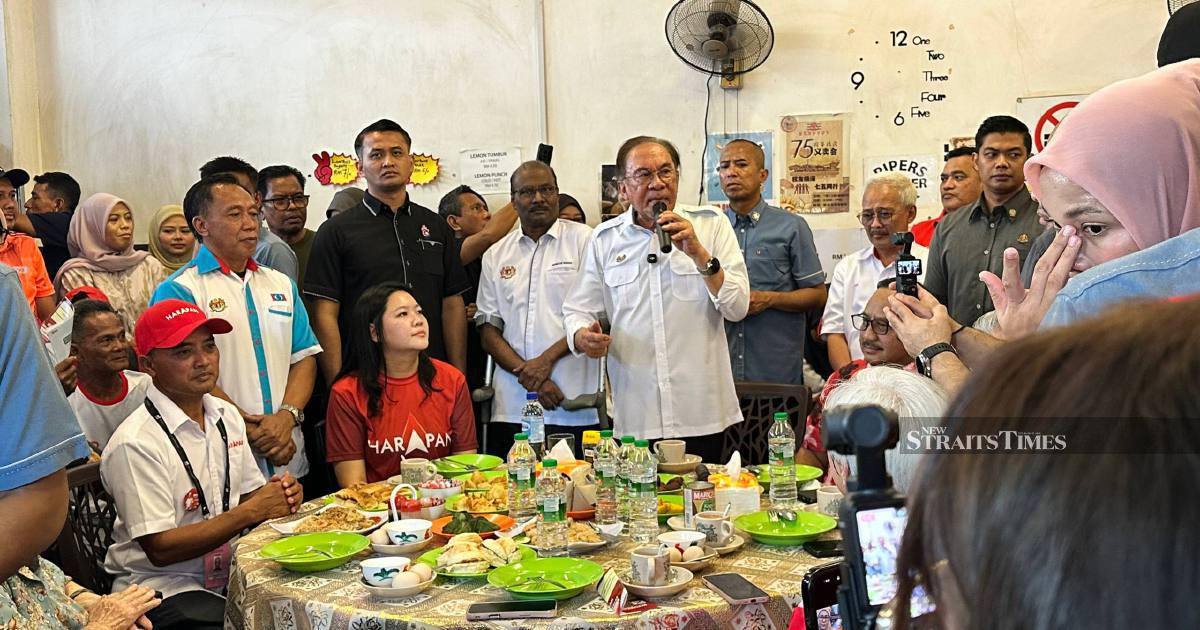
Prime Minister Datuk Seri Anwar Ibrahim's campaign swing through Johor on the ninth day of the state election battle has delivered a crucial psychological lift to Pakatan Harapan's ground operations, particularly within the competitive Machap and Layang-Layang state constituencies. The visit underscores the central role that high-profile political leadership plays in sustaining campaign momentum during the critical mid-stretch period before voters cast their ballots on July 11, when Johor residents will determine the direction of state governance.
The presence of the nation's top political leader serves multiple strategic purposes in a state election context. Beyond the obvious symbolic value of having the Prime Minister actively campaigning, such visits tend to galvanise party machinery at the grassroots level, where volunteers and local party operatives often labour with limited media attention. The psychological impact on campaign workers—many of whom juggle full-time employment with weekend and evening political activities—cannot be underestimated. Direct interaction with a national figure communicates that the party considers their constituency significant enough to warrant senior-level attention, reinforcing commitment during the gruelling final weeks before polling day.
Machap and Layang-Layang represent the kinds of swing areas that frequently determine overall election outcomes in Malaysia's competitive political landscape. These constituencies sit within Johor, a state traditionally known for political volatility, where voter sentiment can shift based on both national and localised issues. The concentration of the Prime Minister's visit on these specific areas suggests that Pakatan Harapan's internal polling and ground intelligence have identified them as crucial battlegrounds where marginal gains or losses could prove decisive in the coalition's overall performance.
The timing of Anwar's appearance—nine days before the election—places the visit within what electoral strategists consider the critical window when undecided voters begin finalising their choices. While polling day remains two weeks distant, the campaign intensity naturally increases as candidates and party machinery calibrate their messaging and resource allocation. A Prime Minister's appearance generates local media coverage, social media amplification, and word-of-mouth momentum that extends far beyond the immediate crowd at any particular event.
Johor holds particular significance within Malaysia's political arithmetic. As the nation's southern economic anchor and a state with substantial population and electoral influence, Johor elections frequently serve as barometers for broader national sentiment. The state has experienced considerable political churn over recent election cycles, with different coalitions gaining and losing ground depending on prevailing national moods regarding governance, economic management, and leadership credibility. This volatility means that no coalition can take Johor constituencies for granted, necessitating the kind of high-level campaign engagement that Anwar's visit represents.
Pakatan Harapan's campaign machinery requires such boosts because sustained volunteer engagement over multiple weeks demands constant renewal of motivation and purpose. Unlike paid campaign staff, volunteer-driven operations depend on emotional investment in the cause. When senior leadership visibly dedicates time and energy to specific constituencies, it validates the volunteers' own commitment and suggests that victory is genuinely achievable, making the sacrificed weekends and exhausting door-to-door activities feel purposeful rather than quixotic.
The Machap and Layang-Layang focus also reflects strategic campaign geography within Johor. Different constituencies present distinct demographic and socioeconomic profiles, requiring tailored messaging about employment, infrastructure, education, and healthcare. By concentrating on these particular areas, Pakatan Harapan signals that it has identified specific constituencies where the coalition's policy platform and candidate appeal align most strongly with voter priorities. This targeted approach, backed by the Prime Minister's personal advocacy, demonstrates professional campaign management rather than scatter-gun efforts across all constituencies.
For Anwar Ibrahim specifically, campaigning in Johor carries additional weight given his own political history and constituency connections within the southern region. His campaigning efforts serve not merely as generic prime ministerial endorsement but as personal advocacy from a leader with deep roots in Johor politics. This historical connection can resonate particularly with voters who remember his earlier political trajectory, adding layers of meaning to his continued engagement with Johor-based campaigns.
The election itself will ultimately hinge on whether Pakatan Harapan can translate campaign energy and organisational momentum into actual votes on July 11. Morale boosts among campaign workers represent necessary but not sufficient conditions for electoral victory. Ground-level enthusiasm must convert into effective voter contact, compelling messaging that addresses specific constituency concerns, and successful persuasion of persuadable voters who remain genuinely undecided. Nonetheless, the Prime Minister's visible commitment to Johor constituencies demonstrates that Pakatan Harapan recognises the state's importance and intends to marshal the full weight of national leadership to secure favourable results.

