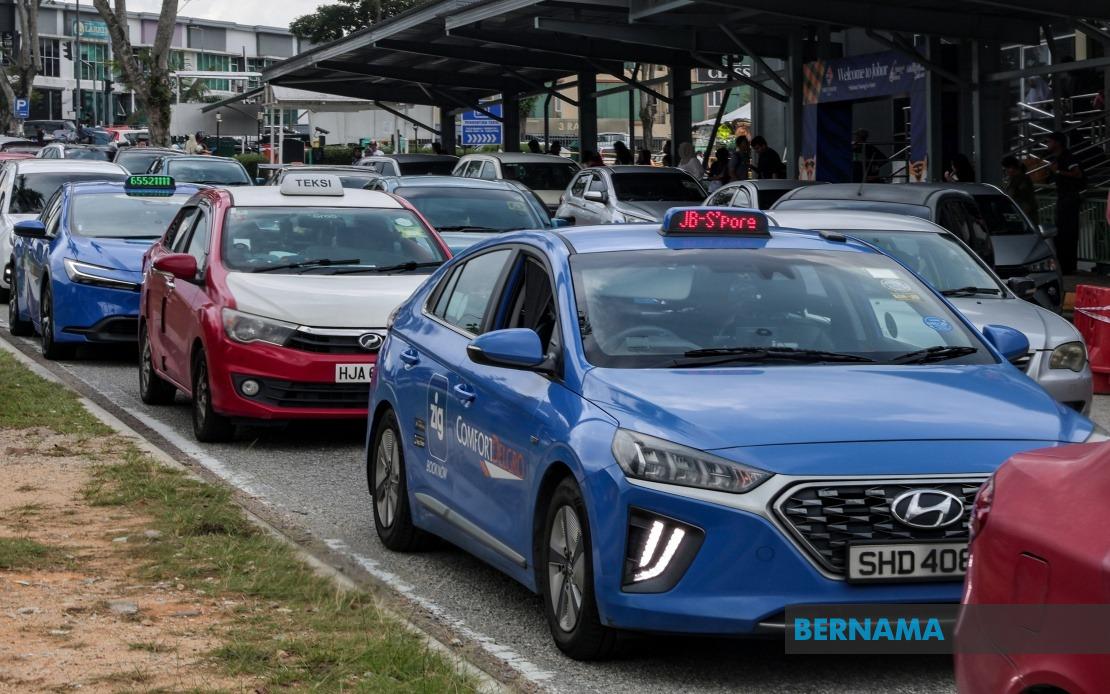
The Land Public Transport Agency (APAD) has announced a significant flexibility measure within the National MADANI Taxi Renewal Programme, permitting taxi drivers to license and replace their vehicles with models other than the government-endorsed Proton S70. The concession recognises the practical challenges faced by operators who either possess existing vehicles they wish to retain or have encountered difficulties securing hire-purchase financing for the designated model.
This adjustment arrives despite the Transport Ministry's April 23 policy statement, which had established that new vehicle applications and taxi replacements under Teksi MADANI would operate on a voluntary basis but would be limited to the Proton S70 package specifically promoted through the programme. The policy shift demonstrates the government's willingness to adapt implementation strategy based on real-world uptake and operator feedback during the early rollout phase.
The Teksi MADANI initiative, formally launched by Prime Minister Datuk Seri Anwar Ibrahim on July 3, represents a fundamental restructuring of Malaysia's taxi industry ownership model. Historically, taxi drivers operated under a leasing arrangement managed by vehicle owners and operators. The new programme transfers vehicle ownership directly to licensed drivers, granting them genuine proprietorship and control over their business operations. This transformation addresses long-standing industry grievances regarding limited equity accumulation and dependency relationships that have characterised the sector for decades.
The Proton S70 sedan was selected as the official taxi model for this modernisation effort, introducing a contemporary aesthetic that departs from the traditional vehicle rooftop identification signs. Vehicles enrolled in the programme bear a distinctive registration series commencing with the letters "GET", creating visual and administrative differentiation within the taxi fleet. This branding approach signals to passengers and regulators alike that these vehicles operate under the new ownership and quality assurance framework.
Acknowledging the substantial financial commitments required from drivers, the government has allocated RM10 million through Budget 2026 specifically to support Teksi MADANI implementation. Following the programme's positive reception, Prime Minister Anwar Ibrahim announced an additional RM10 million allocation for the Old Vehicle Replacement Matching Grant Programme, directed exclusively toward assisting taxi drivers. This supplementary funding recognises that vehicle replacement costs represent a significant barrier, and matching grant schemes can substantially reduce the financial burden on individual operators.
The allowance for drivers to maintain or acquire non-Proton S70 vehicles addresses a critical demographic concern. Some applicants have already invested in alternative vehicles and may find the cost of switching prohibitively expensive. Others have pursued external financing through banks and hire-purchase companies but encountered rejection or unfavourable terms. Rather than exclude these drivers from programme participation or force them toward unsuitable financial arrangements, APAD's flexibility permits continued progression under the broader Teksi MADANI framework while retaining their existing vehicles.
Older taxis not replaced through the programme may continue operating provided they have not exceeded the specified vehicle age limit set by regulatory authorities. This provision ensures that the transition does not precipitate premature decommissioning of roadworthy vehicles or create sudden disruption to driver livelihoods. The graduated approach allows the market to absorb new vehicles progressively rather than imposing abrupt change across the entire fleet.
For Malaysian taxi operators and passengers, this flexibility carries important implications. The programme aims to elevate service standards and modernise the industry's image through vehicle quality and driver ownership incentives. However, forcing uniform vehicle adoption could create unintended consequences, including financial hardship for operators on marginal incomes and potentially accelerated programme abandonment. By permitting vehicle choice, APAD balances modernisation goals against practical realities affecting individual drivers, potentially improving long-term programme sustainability and uptake rates.
The adjustment also reflects lessons learned from previous government initiatives targeting informal transport sectors. Rigid implementation requirements often encounter resistance or evasion, whereas graduated flexibility and tailored support mechanisms tend to generate stronger voluntary participation. By demonstrating responsiveness to operator circumstances, APAD may build stronger stakeholder confidence in the programme's broader objectives and government commitment to genuinely improving industry conditions rather than imposing burdensome mandates.
For regional observers monitoring Malaysia's transport policy evolution, Teksi MADANI represents an innovative approach to formalising and elevating service standards within the taxi sector. Southeast Asian nations grappling with similar industry modernisation challenges—Thailand, Philippines, and Vietnam each maintain substantial traditional taxi fleets—may examine Malaysia's phased transition strategy and flexibility mechanisms as potential models. The programme demonstrates how direct vehicle ownership transfers, combined with financial support and regulatory adaptation, can achieve modernisation while maintaining driver viability and social stability.
Moving forward, APAD's inclusive approach suggests that programme success will be measured not solely through Proton S70 adoption rates but through broader metrics including total driver participation, service quality improvements, and financial stability within the sector. This perspective aligns with MADANI values emphasizing inclusive prosperity and stakeholder engagement. As the programme matures, government data on vehicle selection patterns, driver satisfaction, and financial outcomes will provide valuable insights into industry preferences and sustainable transformation pathways.

