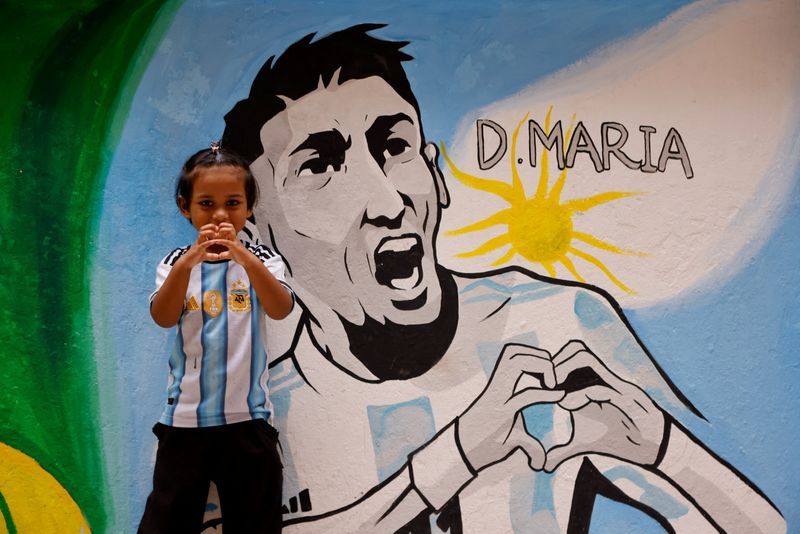
The paths of Argentina and Switzerland converge once more in the World Cup knockout stage, this time in a quarter-final encounter that carries the weight of history and the echoes of a memorable clash from over a decade ago. The two nations last met in the round of 16 at Brazil 2014, when Angel Di Maria's extra-time goal provided the breakthrough that sent Lionel Messi's side through after a gruelling contest in Sao Paulo. Now, as they prepare to face each other again in Kansas City, the context surrounding their rivalry has shifted dramatically, reflecting the evolution of both footballing programmes and the changing circumstances of their respective squads.
The landscape of international football has transformed considerably since that 2014 encounter. Argentina arrived in Brazil as a nation desperate to end a 24-year World Cup title drought, with Messi operating at the absolute zenith of his considerable powers. Switzerland, by contrast, had established themselves as regular World Cup participants but remained haunted by their inability to progress beyond the first knockout round since their quarter-final appearance in 1954. The 2014 meeting represented a clash between ambition and aspiration, between a legacy player seeking his greatest honour and an emerging footballing force yearning for validation on the world's biggest stage.
The subsequent decade has rewritten the narrative considerably. Argentina claimed the trophy at Qatar 2022, delivering Messi the crowning achievement that had eluded him throughout his career and cementing their status as world champions. The victory in the Middle East followed a runner-up finish in 2014, meaning Argentina have appeared in two World Cup finals within the past decade—an extraordinary achievement that underscores their sustained excellence under coach Lionel Scaloni. The defending champions arrive in this quarter-final as the tournament's most decorated side, carrying the confidence and pedigree of reigning world champions.
Messi's presence continues to define Argentina's campaign, though the context has shifted. At 39 years old, he no longer possesses the explosive athleticism that characterised his performances a dozen years ago, yet his influence on proceedings remains profound and pervasive. In the last 16, Argentina found themselves trailing Egypt by two goals with barely 11 minutes remaining, seemingly destined for elimination. Messi orchestrated an improbable turnaround that saw Argentina snatch a 3-2 victory from the jaws of defeat, a comedown that illustrated both the vulnerability of the defending champions and the enduring impact of their captain. His commentary on the match revealed the mental fortitude that has sustained Argentina throughout the tournament: a refusal to surrender, a collective commitment to fighting until the final whistle, a philosophy that has become synonymous with this squad's identity.
Switzerland's journey to this quarter-final represents a significant milestone for a nation that has long occupied the periphery of World Cup discourse. Under Murat Yakin's guidance, they eliminated Colombia in the previous round, prevailing after a goalless draw through the medium of penalties to secure their first quarter-final appearance in 72 years. This achievement carries tremendous significance for Swiss football, representing the culmination of sustained development and the emergence of a competitive squad capable of competing at the highest level. The Swiss delegation arrived in America with genuine belief that they could trouble the tournament favourites, having identified potential weaknesses in Argentina's recent performances.
Only three players bridge the 12-year gap between these two encounters. Messi obviously stands as the most prominent figure, though Swiss captain Granit Xhaka and defender Ricardo Rodriguez provide continuity from that 2014 meeting in Brazil. Both Swiss veterans have studied Argentina extensively and understand the calibre of opposition they face. Xhaka, now 33, expressed appropriate reverence for the opportunity to test himself against Messi once more, acknowledging the privilege of playing against one of football's greatest players whilst maintaining that Argentina's strength extends beyond their talismanic captain. Rodriguez echoed similar sentiments, recognising the comprehensive quality that Argentina possess beyond their most celebrated individual talent.
Switzerland's tactical approach has evolved beyond the rigid defensive structures that once defined their World Cup campaigns. Yakin has integrated greater attacking ambition into their game plan, though midfielder Johan Manzambi's availability remains uncertain following a knee injury sustained in earlier matches. Manzambi's creativity and technical proficiency proved vital during their progression, and his potential absence represents a significant consideration for the Swiss coaching staff. Nevertheless, Yakin has identified tactical opportunities within Argentina's recent performances, suggesting that the defending champions are not invulnerable and that Switzerland's organisational discipline might create problems for a side that has appeared vulnerable at moments throughout the tournament.
Argentina coach Scaloni is expected to maintain continuity with the side that defeated Egypt, having identified no compelling reasons to alter a winning formula despite the last-minute circumstances of that victory. Scaloni has characterised Switzerland as a formidable opponent with an impressive World Cup tradition and internationally recognised quality across their squad. The Argentine coach recognises that his team must deliver another complete performance to progress, understanding that Switzerland will arrive with specific tactical intentions and the confidence of a side that has already secured their first quarter-final in over seven decades.
The narrative arc of this matchup carries considerable appeal beyond the immediate sporting contest. For Argentina, progression represents another step toward defending their world championship and validating their status as the tournament's elite force. For Switzerland, a victory would represent an extraordinary achievement for a smaller footballing nation, qualifying them for unprecedented territory in the semi-finals and establishing their credentials as a serious contender on the global stage. The presence of Messi, at the twilight of his career yet still capable of decisive influence, adds compelling drama to proceedings, as does the Switzerland's hunger to achieve what no team has managed in the past 72 years of their World Cup participation.

