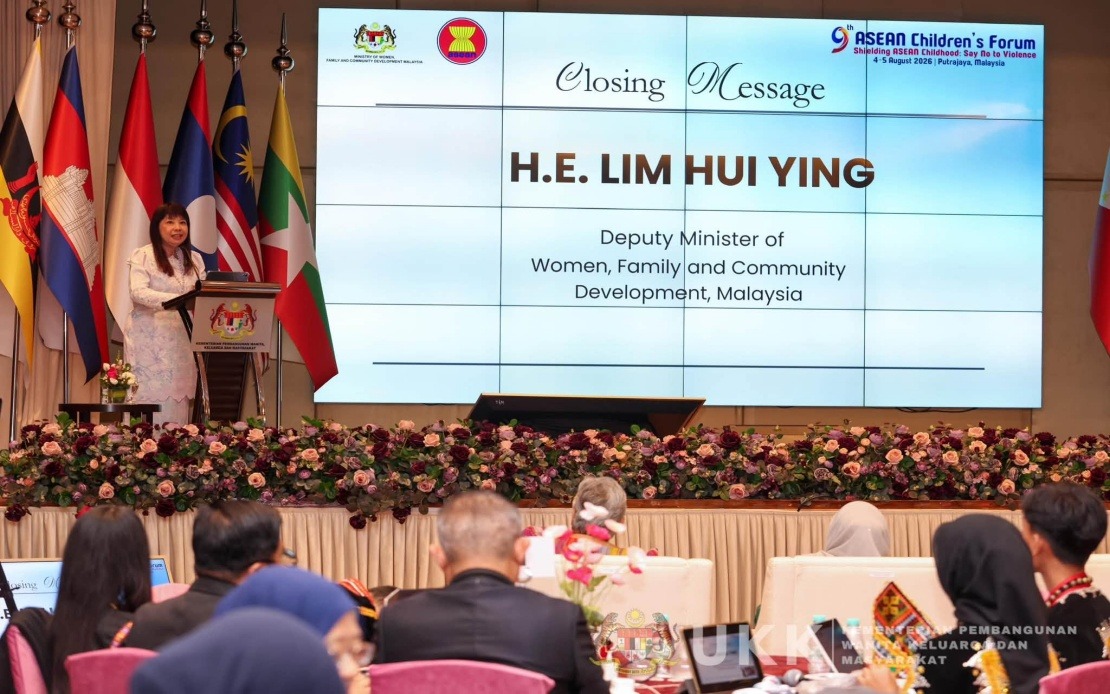
Participants at the 9th ASEAN Children's Forum have outlined a comprehensive agenda for safeguarding children across the region, urging governments and sectoral bodies to translate their recommendations into actionable policy. The forum, held in Putrajaya and bringing together young representatives from across ASEAN member states, centred on addressing multiple forms of violence that threaten children's safety and wellbeing, including physical, emotional, psychological and sexual harm.
Deputy Women, Family and Community Development Minister Lim Hui Ying has underscored the importance of treating these recommendations seriously, emphasizing that they emerge directly from children's own lived experiences and aspirations. Rather than abstract proposals, the minister noted, these suggestions reflect genuine concerns from young people navigating real dangers in their daily environments. This ground-level perspective carries particular weight, as it provides policymakers with authentic insight into where protection systems are failing and what interventions children themselves believe would be most effective.
The forum generated recommendations spanning four critical environments where children require protection: the home, educational institutions, digital spaces and broader community settings. Recognising that violence takes different forms in each context, participants called for tailored responses rather than one-size-fits-all approaches. Within households, for instance, safeguarding requires different mechanisms than protecting children in schools or online platforms, yet all demand urgent attention across ASEAN given the scale and diversity of threats children face throughout the region.
Enhancing legislative frameworks emerged as a foundational priority. Many ASEAN nations retain child protection laws that predate contemporary threats, particularly those arising from technological change and evolving social dynamics. Participants advocated for comprehensive legal reform that addresses current vulnerabilities while closing gaps that perpetrators exploit. This legislative upgrade must extend beyond criminalization to establish clear standards for institutional accountability, mandatory reporting by professionals, and meaningful penalties for violations.
Expanding child-friendly reporting channels represents another cornerstone recommendation. Many children currently lack accessible, confidential mechanisms to report abuse or seek help, creating a dangerous chasm between victimization and intervention. Whether through dedicated hotlines, online platforms, school-based counsellors, or trusted community intermediaries, making reporting easier encourages disclosure and enables faster response. Critically, these channels must be designed with children's needs in mind—non-threatening, easy to navigate, and staffed by personnel trained in trauma-informed approaches.
The forum also highlighted anti-bullying policies as essential, particularly in educational settings where peer violence remains endemic across ASEAN. Effective policies require clear definitions, systematic investigation procedures, graduated consequences, and support for both victims and perpetrators. Malaysia and other nations have made progress here, yet inconsistent enforcement and cultural attitudes toward physical discipline continue to undermine protections. Strengthening these policies involves not just rule-making but genuine institutional commitment and teacher training.
Psychosocial support emerged as equally critical. Children experiencing violence carry deep emotional and psychological wounds that, if left untreated, cascade into lifelong difficulties with relationships, mental health, and productivity. The forum stressed that protection must extend beyond stopping immediate harm to include accessible counselling, trauma therapy, and community-based healing initiatives. This requires investment in trained mental health professionals willing to work with vulnerable populations, particularly in rural areas where such services remain scarce across ASEAN.
Inclusive services for vulnerable children—including those living in poverty, disabled children, migrant children, and LGBTQ+ youth—formed another key theme. Standard protection systems often fail these groups, who face compounded risks and additional barriers to accessing help. Tailored services recognizing their specific vulnerabilities and ensuring they are not excluded from safeguarding measures represent an essential equity imperative.
The forum also highlighted the pivotal roles played by parents, educators, corporate actors, civil society organisations, media outlets and peer networks in creating safer environments. Protection cannot rely on government alone; collective responsibility across society is essential. Parents require education in positive discipline; teachers need training in recognizing abuse; companies must police their platforms; media must report responsibly; and peers can become allies rather than perpetrators. This ecosystem approach reflects emerging evidence that sustainable child protection demands coordination across multiple sectors.
Young participants pledged mutual support and commitment to fostering cultures of care and respect within their communities. This youth-led dimension is significant; children advocating for protection of their peers can shift social norms more credibly than adults imposing rules. Creating youth-led movements against violence, bullying and exploitation taps into peer influence networks that adult interventions alone cannot reach.
For Malaysian and regional policymakers, these recommendations offer both challenge and opportunity. Implementing them requires legislative reform, budgetary allocation, institutional coordination, and sustained political will. Yet the benefits—reducing child trauma, strengthening social cohesion, and fulfilling ASEAN's commitment to building inclusive communities—justify the investment. The forum has essentially handed governments a roadmap drafted by children themselves; translating it into reality represents both an urgent humanitarian obligation and a test of ASEAN's commitment to protecting its youngest and most vulnerable citizens.

