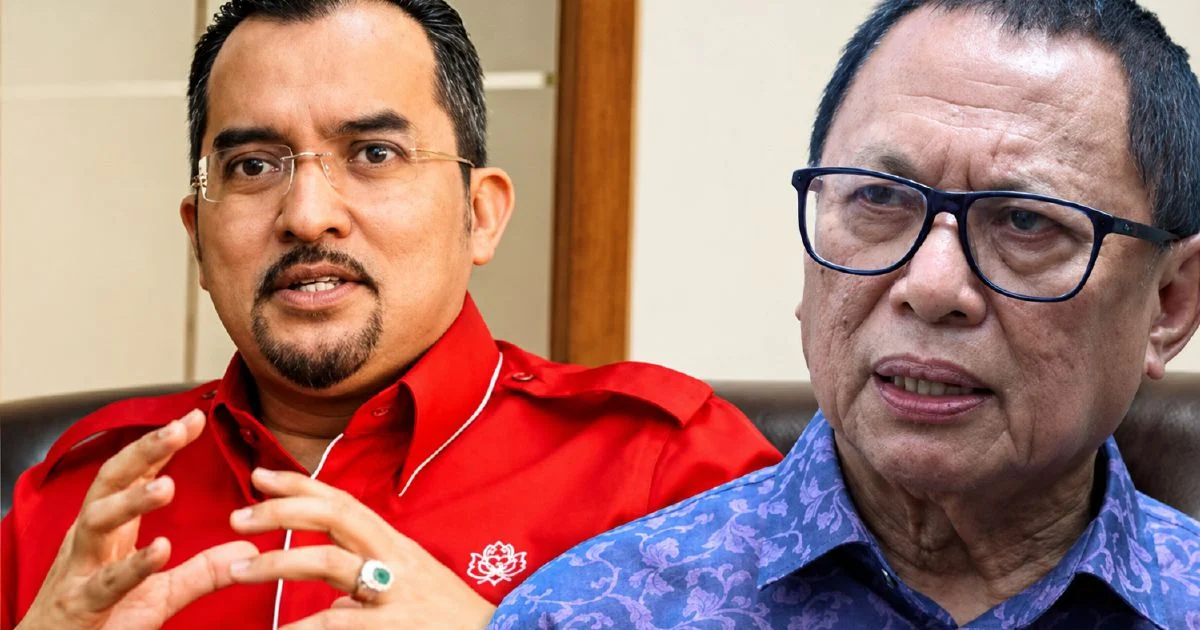
In a dramatic escalation of internal party tensions, Umno secretary-general Datuk Dr Asyraf Wajdi Dusuki has responded with pointed criticism to Datuk Dr Mohd Puad Zarkashi after the latter announced his departure from Malaysia's largest Malay-Muslim political organisation. Speaking in Johor Baru, Asyraf Wajdi refused to let Zarkashi's exit pass without direct commentary, underscoring deepening rifts within Umno at a moment when party unity is increasingly fragile.
The dispute between the two senior figures reflects broader fractures within Umno's leadership structure, where competing visions for the party's direction and personnel management have created visible fissures. Zarkashi's decision to resign carries particular weight given his position and profile within the organisation, suggesting that disagreements run deeper than routine policy differences. Such departures, especially when accompanied by public statements, typically signal fundamental disagreements about party governance or strategic direction that cannot be resolved through internal channels.
Ashyraf Wajdi's forceful response demonstrates Umno's determination to control the narrative surrounding Zarkashi's exit. Rather than allowing the departing official's version of events to stand unchallenged, the secretary-general chose to engage directly, suggesting that Zarkashi's claims—particularly those involving alleged palace interference or coordination—posed a threat to party credibility that demanded immediate rebuttal. This defensive posture itself speaks volumes about Umno's current vulnerabilities.
For Malaysian political observers, the timing of this internal conflict carries significance. Umno remains the dominant component of the Barisan Nasional coalition, which governs at both federal and state levels. Any fracturing of cohesion at the party's apex reverberates through the broader coalition and raises questions about governance stability. When senior figures begin publicly airing disagreements, it signals that internal resolution mechanisms have broken down and that leadership authority itself may be contested.
The reference to palace claims in Asyraf Wajdi's response suggests that Zarkashi had raised allegations concerning royal involvement or coordination in party matters. Such assertions are extraordinarily sensitive in the Malaysian political context, where the monarchy occupies a constitutionally protected and culturally revered position. Accusations involving palace interference in party affairs strike at questions of institutional boundaries and the proper separation between the monarchy's ceremonial and advisory roles and partisan politics. Asyraf Wajdi's sharp rebuke indicates the severity with which Umno leadership regards such allegations.
Zarkashi's departure also reflects the precarious position of senior officials in Malaysian politics during periods of transition or internal contest. When party leadership or direction becomes uncertain, individuals holding significant positions face a choice between defending the status quo and repositioning themselves. Zarkashi's resignation suggests he calculated that remaining within the party framework had become untenable, whether due to policy disagreements, personal conflicts with current leadership, or broader strategic calculations about his political future.
The public nature of this dispute differs markedly from Umno's historical preference for handling internal matters discretely. Traditionally, the party has managed such conflicts through closed-door meetings and internal party mechanisms. The fact that both Zarkashi's resignation and Asyraf Wajdi's response played out in public forums indicates that established channels for conflict resolution may have been exhausted or bypassed, reflecting evolving approaches to political communication in the social media era.
For Southeast Asian political analysts, the Umno situation warrants attention because it affects Malaysia's broader political stability and the durability of coalition government. Umno's internal cohesion directly influences whether Barisan Nasional can maintain its governing majority and execute policy agendas at federal and state levels. Leadership conflicts that spill into public view create openings for opposition parties to exploit and can destabilise legislative support for government initiatives.
Ashyraf Wajdi's position as secretary-general places him among the party's most powerful figures, responsible for administrative operations and personnel matters. His willingness to respond publicly to Zarkashi's departure and claims represents a significant assertion of authority, signalling to other party members that challenges to leadership narratives will be met with forceful rebuttal. This sends implicit messages about the costs of dissent and the boundaries of acceptable criticism within current Umno structures.
The dispute also illuminates questions about accountability and transparency within Malaysian political parties. While Zarkashi's willingness to depart publicly rather than remain silent suggests a commitment to speaking his truth, Asyraf Wajdi's counterattack raises the counter-question of whether his version of events accurately reflects reality. Malaysian voters and observers watching from within Umno constituencies face the difficulty of arbitrating between competing narratives from authoritative sources with access to different information.
Moving forward, the resolution of this particular conflict and the broader trajectory it represents will significantly affect Umno's standing heading into future electoral contests and policy deliberations. Internal divisions that remain unhealed become vulnerabilities that opponents exploit, while successful management of such conflicts through either reconciliation or clear resolution strengthens organisational coherence. How Umno navigates this moment will indicate whether its leadership structures can effectively manage dissent or whether further departures loom.

