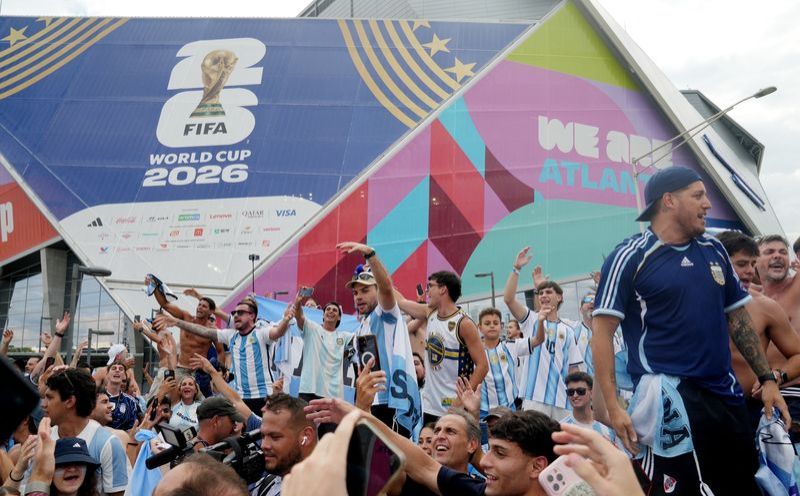
The women's soccer World Cup transformed Atlanta into a global sporting theatre over the past month, as the city that built its modern identity on hip-hop and entertainment embraced a fundamentally different cultural rhythm. From Cape Verde's tournament debut through England's dramatic victory over DR Congo, and Argentina's pair of comeback triumphs en route to the final, the American city delivered unforgettable moments that captivated international audiences. The competition culminated in a riveting semi-final where Argentina staged another comeback to overcome England, cementing the tournament's place in the city's sporting annals and creating lasting memories for both long-time residents and visiting supporters.
Atlanta's transformation into a world-class soccer venue represents a remarkable shift for a metropolis traditionally synonymous with hip-hop culture and entertainment. Yet for an entire month, the city's streets and stadiums resonated with the passionate chants and celebratory colours of football supporters from every continent. The tournament's success underscored how major sporting events can transcend geographic and cultural boundaries, temporarily rewriting the narrative of a city's identity. Visitors and locals alike experienced a genuine collision of cultures, as international fan communities created their own vibrant ecosystems within Atlanta's urban landscape, from supporters' bars to impromptu street celebrations that embodied the universality of soccer.
The path to hosting the World Cup began with a pivotal email in July 2017, when Dan Corso, president of Atlanta's host committee, received an invitation from organisers requesting interested American cities to submit bids for the tournament rights. Corso recalled the rapid decision-making process: the committee held a few initial meetings before committing fully to the pursuit. This swift action would prove instrumental in positioning Atlanta as the preferred venue, particularly given the city's existing soccer infrastructure and proven fan engagement.
Atlanta's pre-existing status as a major American soccer hub significantly strengthened its candidacy. Major League Soccer side Atlanta United, founded in 2017, had already established the city as a serious contender in professional soccer circles within the United States. The club's immediate success, including winning the MLS Cup in 2018, generated extraordinary momentum for the city's soccer profile. Equally significant was Atlanta United's consistent performance in league attendance metrics, regularly leading MLS in drawing supporters to matches. These factors, combined with the club's presence at Atlanta Stadium alongside the NFL's Falcons, created a compelling narrative of a diversified sports market with genuine soccer credentials.
Arthur Blank, the owner of both Atlanta United and the Falcons, further cemented the city's soccer commitment by donating $50 million toward the newly established U.S. Soccer National Training Center situated just outside Atlanta's metropolitan area. This investment demonstrated private-sector confidence in soccer's long-term viability and development pathway in the region. Blank's contribution symbolised the broader alignment between Atlanta's business community and the sport's expansion within the United States.
Corporate infrastructure and professional sports legacy positioned Atlanta advantageously against competing American cities. The presence of U.S. Soccer's primary training facility, combined with Atlanta United's institutional prominence, created an ecosystem where the World Cup could flourish both on and off the pitch. Corso recognised that this convergence of factors—institutional investment, professional sporting presence, and grassroots enthusiasm—resonated strongly with FIFA's selection committee during the bidding process.
Atlanta brings formidable experience hosting mega-events to the World Cup context. The city has hosted the Super Bowl four times previously, with another edition scheduled for 2028, demonstrating logistical competence in managing global sporting spectacles. The 1996 Olympic Games, held in Atlanta three decades earlier, provided institutional memory and proven capacity for handling international crowds and complex security requirements. Though Atlanta did not feature among the 1994 FIFA World Cup venues, this tournament represented a triumphant return to hosting world football's premier feminine competition after three decades.
Community participation transformed the tournament from a stadium-centred event into a citywide phenomenon. The Fan Fest attracted more than half a million visitors across its nineteen-day run, while over two thousand volunteers from Atlanta and Georgia mobilised to support operations. This groundswell of local enthusiasm extended well beyond official venues, as residents and newcomers alike contributed to an atmosphere of collective celebration. The overwhelming volunteer response particularly illustrated how major tournaments can galvanise civic pride and create opportunities for grassroots participation.
The eight matches held in Atlanta, including three knockout-round encounters that culminated in Wednesday's semi-final spectacle between Argentina and England, delivered entertainment to 544,516 supporters. This attendance figure underscores the genuine appetite for women's soccer among American audiences, challenging long-standing assumptions about gender disparities in sports viewership and engagement. The dramatic nature of the matches—particularly Argentina's comebacks—generated compelling narratives that extended beyond committed soccer enthusiasts to broader entertainment-seeking demographics.
Beyond the immediate tournament experience, Atlanta's World Cup tenure has catalysed lasting infrastructural and programmatic legacies. The host committee collaborated with MARTA, the local transportation authority, and Soccer in the Streets to develop a new mini-pitch facility. This installation represents tangible community benefit, providing free and equitable access to soccer participation for all children regardless of socioeconomic background. The facility embodies the tournament's stated commitment to expanding soccer's accessibility across demographic lines.
Looking forward, Atlanta's soccer infrastructure continues expanding ambitiously. An NWSL women's professional franchise will launch operations in 2028, further entrenching women's soccer within the city's sporting portfolio and providing year-round professional competition. Beyond this immediate development, Atlanta is actively pursuing hosting rights for the 2031 Women's World Cup, positioning itself as a permanent fixture within FIFA's tournament rotation. This aspirational trajectory reflects confidence that the 2024 tournament has genuinely transformed Atlanta's international soccer credentials.
Coro acknowledged the World Cup's deeper purpose beyond entertainment metrics and attendance figures. He characterised the tournament as capable of providing meaningful memories and genuine connections for visitors who previously had limited exposure to Atlanta or who had been absent for extended periods. The tournament offered visitors an opportunity to experience Atlanta's authentic character as a unique and genuinely diverse metropolitan centre, potentially altering perceptions of the city and generating goodwill that transcends the temporary nature of sporting events.
Atlanta's World Cup experience demonstrates how major international sporting events can strategically advance a city's long-term development agenda. By positioning soccer as central to Atlanta's identity and committing substantial private and public resources toward soccer infrastructure, the city has created conditions where women's soccer can flourish institutionally and culturally. The tournament delivered immediate entertainment value while establishing foundations for sustained soccer growth, benefiting professional franchises, community development programmes, and the city's international profile simultaneously.

