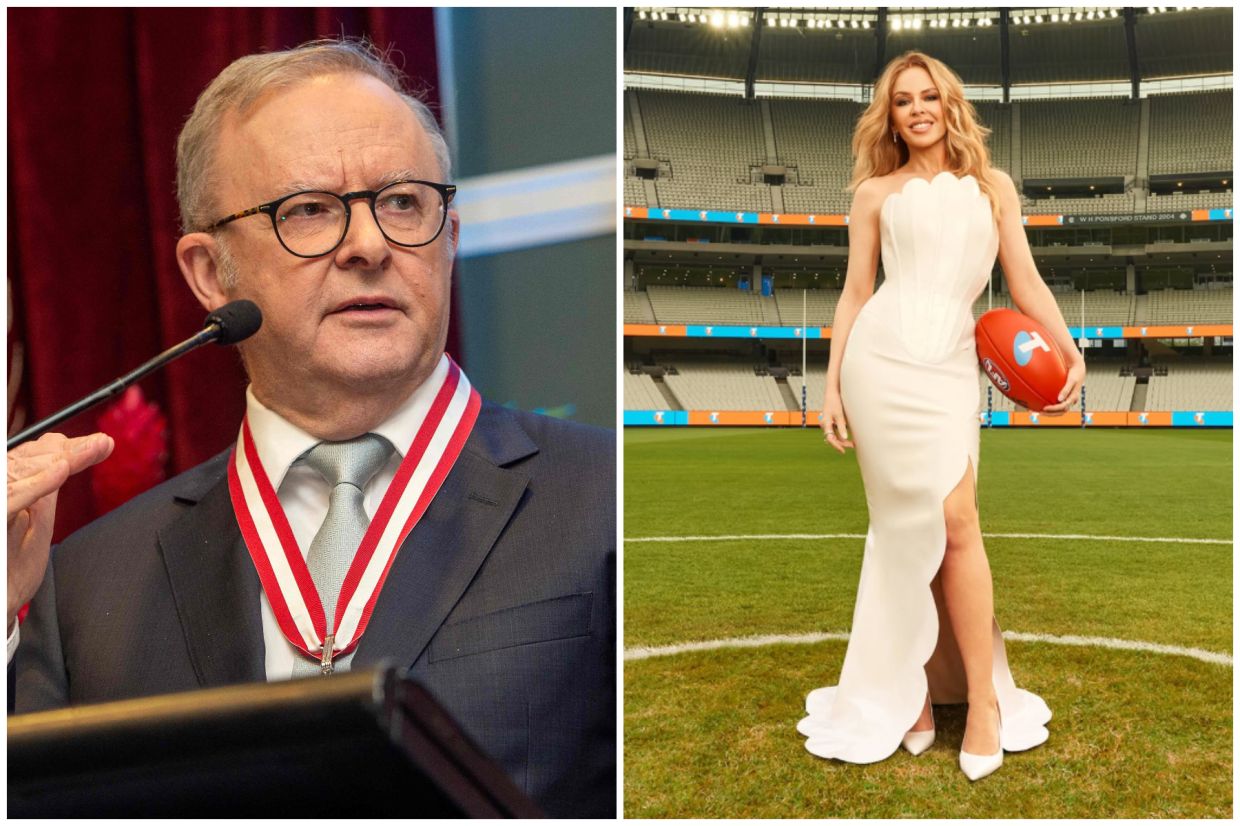
Prime Minister Anthony Albanese of Australia has issued a formal apology following controversy over sexually suggestive remarks he made about international pop icon Kylie Minogue during a recent media appearance. The incident has drawn scrutiny over the standards expected of high-ranking political leaders and their public conduct in informal settings.
During an appearance on a local comedy podcast last week, Albanese responded to a lighthearted question posed by host Nikki Osborne about which Australian entertainer he would "shag, marry, date" — a common party game format. Initially attempting to deflect from the question, the Prime Minister ultimately named Minogue, suggesting he would engage in all three actions with the internationally recognised performer.
The exchange took place in what was intended as an entertainment context, with Osborne pressing further for clarification. Albanese's responses indicated he would simultaneously marry, date, and engage in sexual relations with Minogue, framing his answer in a casual manner typical of comedy podcast banter. However, the comments rapidly attracted negative attention once the episode became public knowledge.
Political figures across Australia's parliament were quick to characterise the remarks as inappropriate and unbecoming of a sitting Prime Minister. One lawmaker described the comments as a "disrespectful" lapse in judgement, highlighting concerns about dignity and decorum expected from those holding the nation's highest offices. The criticism suggested that regardless of the informal setting, a Prime Minister's words carry weight and should reflect certain standards of conduct.
The backlash reflects broader discussions occurring in Westminster-style democracies, including Australia and neighbouring Commonwealth nations, about appropriate behaviour from elected officials. While informal media appearances have become increasingly common as politicians seek to connect with younger audiences through entertainment platforms, such engagements remain subject to public scrutiny regarding boundaries between genuine personality and official responsibility.
Minogue, who began her entertainment career on the Australian soap opera Neighbours before becoming one of the world's most recognisable pop performers, has achieved iconic status both domestically and internationally. Her decades-long career encompasses successful recording contracts, live performances, and cultural influence that extends well beyond Australia's borders. The situation represents an unusual moment where a sitting head of government's casual remarks about a celebrity become matters of political discussion.
Responding to the mounting criticism, Albanese's office released a formal statement in which the Prime Minister expressed unequivocal apology for his words. This direct acknowledgement represented an attempt to contain the controversy and demonstrate accountability for the remarks. The swift issuance of the apology suggested recognition that the comments had crossed lines considered unacceptable for his office, despite occurring in an entertainment context.
For Malaysian and Southeast Asian observers, the incident offers insight into how Westminster democracies handle questions of political decorum and media management. Australia's approach to accountability, wherein a Prime Minister publicly apologises for comments made in informal settings, contrasts with political cultures in some neighbouring regions. The episode demonstrates how modern politicians navigate the tension between appearing relatable and approachable through entertainment media while maintaining the gravitas expected of their positions.
The controversy also highlights evolving expectations around how political leaders interact with popular culture and entertainment figures. The distinction between genuine, spontaneous conversation and carefully managed public messaging has become increasingly blurred as politicians appear more frequently on podcasts, streaming platforms, and entertainment programs aimed at engaging with younger demographics. Albanese's experience suggests that such appearances, while valuable for connecting with audiences, carry reputational risks when boundaries are not carefully maintained.
The incident may influence how other Australian political leaders approach similar entertainment media opportunities, potentially leading to more cautious engagement with comedy-format programs. Media advisors and political strategists typically counsel against controversial content, yet the appeal of appearing personable and willing to engage in humorous banter remains strong. Balancing authenticity with propriety continues to challenge political figures seeking contemporary relevance.
More broadly, the situation underscores how comments from senior political figures undergo intense scrutiny in an age of instant digital communication and social media amplification. Remarks intended for limited podcast audiences can rapidly reach national and international attention, transforming private moments into public controversies. For political leaders across the region and beyond, managing media presence across multiple platforms while maintaining appropriate professional standards remains an ongoing challenge requiring careful navigation and clear judgment about acceptable boundaries.

