Australia's rail network started rolling again on Thursday as the nation's largest telecommunications provider, Telstra Group Ltd., contained the fallout from a countrywide outage that paralysed trains and blocked emergency calls. The disruption, which struck Wednesday, dealt a fresh blow to perceptions of Australia's critical infrastructure reliability at a time when regional telecommunications systems face mounting scrutiny.
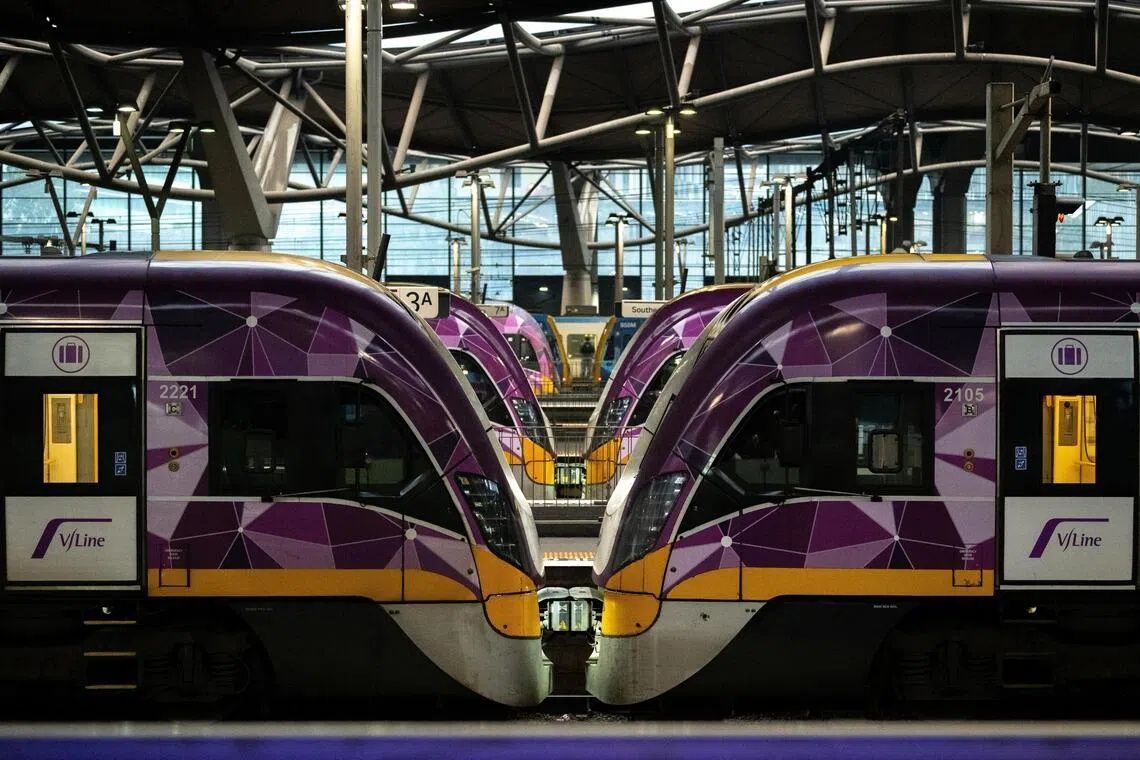
Australian Rail Track Corporation, the entity overseeing freight and passenger operations across five states, initiated a staged recovery of services as engineering teams worked to verify that communication systems were functioning. ARTC relies on Telstra's 4G network to maintain contact with train drivers, making the telco's collapse an immediate operational crisis. The corporation prioritised metropolitan and regional passenger routes in New South Wales alongside V/Line services in Victoria and cross-state transit links, with full normalisation expected by late Thursday provided operators completed their safety checks.
The outage revealed a layered technical problem rather than a single point of failure. An initial software glitch affecting the network's timing nodes was resolved by Wednesday evening, but technicians discovered a secondary malfunction overnight wherein some callers found their connections redirected to voicemail and a subset of Triple Zero emergency calls failed to connect. Telstra Chief Financial Officer Michael Ackland disclosed during a Thursday briefing that the company had conducted 639 welfare checks following unsuccessful emergency calls, underscoring the human consequences lurking beneath technical language. The company subsequently deployed a solution and has committed to further refinements to fortify its system against recurrence.
Telstra's dominance in the Australian market amplifies the significance of such outages. The carrier serves approximately 25 million retail mobile customers, meaning an estimated one-third of Australia's population faced direct service disruption. Federal Communications Minister Anika Wells confirmed that Telstra was grappling with the secondary issue even as initial repairs progressed, highlighting the complexity of modern telecommunications architecture and the difficulty of guaranteeing service restoration occurs without fresh complications emerging.
Chief Executive Vicki Brady, who abbreviated a family holiday abroad to address the crisis, will return to headquarters on Friday, signalling corporate recognition of the incident's seriousness. Share price movements reflected investor sentiment: Telstra shares recovered one per cent on Thursday afternoon following a three per cent decline the previous day, suggesting measured confidence that management could stabilise operations and reassure stakeholders.
Communications Ombudsman Cynthia Gebert characterised the episode as symptomatic of deeper anxieties pervading Australian society about service continuity. Speaking on Nine's Today program, she emphasised that citizens increasingly fear an inability to depend on telecommunications providers as reliable essential services, pointing to the economic losses incurred through interrupted commerce and travel disruptions alongside the immediate safety implications of emergency call failures. Her comments reflected public frustration that such incidents continue despite the critical role telecommunications play in contemporary life.
This incident sits within a troubling pattern affecting Australia's telecommunications landscape. Optus, owned by Singapore Telecommunications Ltd., confronted severe backlash following an outage last September that disabled emergency services access for some users, resulting in fatalities. That crisis came merely two years after another major Optus failure had disrupted millions of customer connections, including those seeking emergency assistance. Vodafone Australia similarly reported mobile connectivity problems among its customer base in the preceding month, suggesting systemic vulnerabilities rather than isolated operator failures.
For Malaysia and Southeast Asian observers, the Australian experience carries instructive lessons about infrastructure governance and oversight. Both nations depend upon centralised telecommunications networks providing essential services to large populations across dispersed geographies. The recurring outages affecting major Australian carriers raise questions about regulatory frameworks, redundancy standards, and corporate accountability mechanisms that might apply to regional systems. Telecommunications authorities across Southeast Asia may find themselves reassessing whether existing oversight structures adequately protect citizens and critical services from cascading network failures.
Telstra's response, while rapid in operational terms, necessarily confronted questions about root cause analysis and preventative future measures. The company's Chief Financial Officer acknowledged that mobile networks embody inherent complexity and pledged ongoing refinements, yet provided limited specificity regarding what architectural or procedural changes might prevent similar incidents. This opacity invites scrutiny about whether Australian regulators possess sufficient authority and expertise to interrogate telecommunications companies' engineering decisions and enforce industry-wide standards that would enhance resilience.
The outage's timing proved particularly damaging given Australia's existing infrastructure vulnerabilities. Critical systems including rail transport, emergency services, and financial transactions now operate with minimal redundancy, meaning any single provider's failure cascades across multiple sectors simultaneously. This interconnectedness, while economically efficient, concentrates systemic risk in ways that technological sophistication alone cannot mitigate. Addressing these vulnerabilities will require coordination between government agencies and telecommunications providers to establish competing networks, mandate service-level agreements with meaningful penalties, and ensure regular failure scenario testing.
Stakeholder responses diverged between political reassurance and public concern. While Communications Minister Wells and Telstra executives framed the outage as a containable technical problem resolved through expertise and effort, the Ombudsman and affected citizens articulated deeper anxieties about whether Australia's essential infrastructure can withstand modern technological complexity. Reconciling these perspectives will require transparency about systemic vulnerabilities, realistic assessment of risk levels, and demonstrable commitment to structural improvements rather than incremental technical adjustments.

