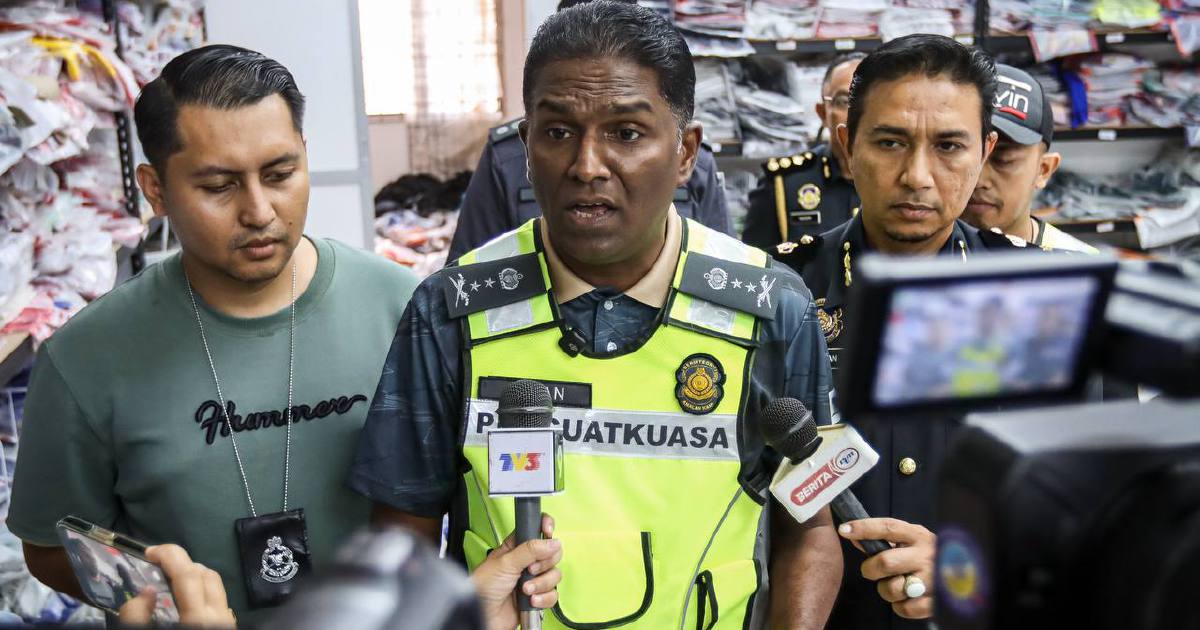
The Domestic Trade and Cost of Living Ministry successfully concluded enforcement operations in Nibong Tebal that resulted in the seizure of 10,190 counterfeit FIFA World Cup 2026 jerseys valued at RM509,500, marking a significant blow against the illegal merchandise trade ahead of the tournament.
The raids, which took place across multiple locations in the district, targeted suppliers and distributors involved in manufacturing and trafficking counterfeit sports apparel. Officials executed search warrants at warehouses and retail outlets suspected of stocking and selling unauthorised replicas bearing the official FIFA World Cup 2026 branding and affiliated team logos. The operation demonstrates the ministry's continued commitment to protecting intellectual property rights and safeguarding consumers from substandard merchandise.
Counterfeit sporting goods remain a persistent challenge throughout Southeast Asia, with enforcement agencies constantly battling networks that profit from the global popularity of major sporting events. The World Cup tournaments in particular attract opportunistic counterfeiters who exploit demand for official merchandise, especially in regions with significant football fan bases such as Malaysia. By intercepting these jerseys before they entered the retail supply chain, authorities prevented fraudulent sellers from capitalising on consumer enthusiasm for the upcoming tournament.
The sheer volume of confiscated merchandise—over ten thousand units—suggests this operation was not a small-scale illegal enterprise but rather an organised distribution network with significant supply capabilities. This scale of operation indicates the counterfeiters likely had manufacturing facilities or supply agreements with producers of bootleg merchandise, possibly sourced from overseas manufacturers in countries known for producing fake sporting goods at industrial levels. The value per jersey implied by the total assessment suggests these were reasonably sophisticated imitations rather than obvious knockoffs, capable of deceiving casual consumers unaware of authenticity markers.
For Malaysian consumers, the availability of counterfeit jerseys presents genuine risks beyond simply purchasing substandard products. Fake merchandise often features inferior fabric quality, poorly executed stitching, and inadequate durability compared to authentic versions. More concerning, counterfeit goods frequently bypass safety and quality standards, potentially containing harmful dyes, unsafe materials, or allergenic substances that could cause skin reactions or other health issues. Additionally, purchasing counterfeit merchandise directly finances criminal networks that often operate alongside other illicit activities.
The timing of this enforcement action is strategically important given the approaching FIFA World Cup 2026 tournament. As the event draws nearer, demand for official merchandise will intensify, creating greater incentive for counterfeiters to scale up operations. By conducting these preventative raids now, authorities aim to disrupt supply chains before peak demand period arrives, setting a deterrent example for other would-be counterfeiters considering similar ventures. The successful seizure sends a clear message that Malaysia maintains active enforcement mechanisms and will not tolerate large-scale intellectual property violations.
International sporting bodies take counterfeiting extremely seriously, as fake merchandise erodes their brand value and generates unauthorised revenue streams. FIFA actively cooperates with national authorities to protect its intellectual property, providing information about known counterfeiters and assisting in identifying authentic versus fraudulent products. The Domestic Trade and Cost of Living Ministry's operations reflect this international cooperation framework, ensuring that enforcement activities align with global standards for protecting sports intellectual property.
Beyond the immediate enforcement action, this seizure highlights the importance of consumer awareness and education. Many buyers purchasing counterfeit merchandise do so unknowingly, either misled by sellers making false authenticity claims or simply lacking knowledge about how to distinguish genuine from fake products. Official retailers and FIFA's approved merchandise partners maintain strict quality controls and traceability standards absent from counterfeit supply chains. Consumers seeking World Cup jerseys should purchase exclusively from licensed retailers and verify authenticity before completing transactions.
The operation also underscores Malaysia's broader role in combating transnational intellectual property crimes. As a developing nation with significant manufacturing and trading sectors, Malaysia faces particular vulnerability to counterfeiting networks that exploit regional supply chains and cross-border commerce. By demonstrating consistent enforcement capability, Malaysian authorities strengthen the country's reputation as a jurisdiction that respects intellectual property rights—an important factor in attracting legitimate international investment and maintaining trading relationships with countries that prioritise IP protection.
Looking forward, the confiscation of RM509,500 worth of merchandise represents substantial economic losses for the counterfeiting operation. However, experts acknowledge that enforcement operations alone cannot eliminate counterfeiting entirely. Addressing this challenge comprehensively requires cooperation between government agencies, private retailers, and consumer vigilance. The Domestic Trade and Cost of Living Ministry indicated that investigations continue into the supply chain and sources of these counterfeit jerseys, suggesting additional enforcement actions may follow as officials trace links to upstream manufacturers and coordinating networks.

