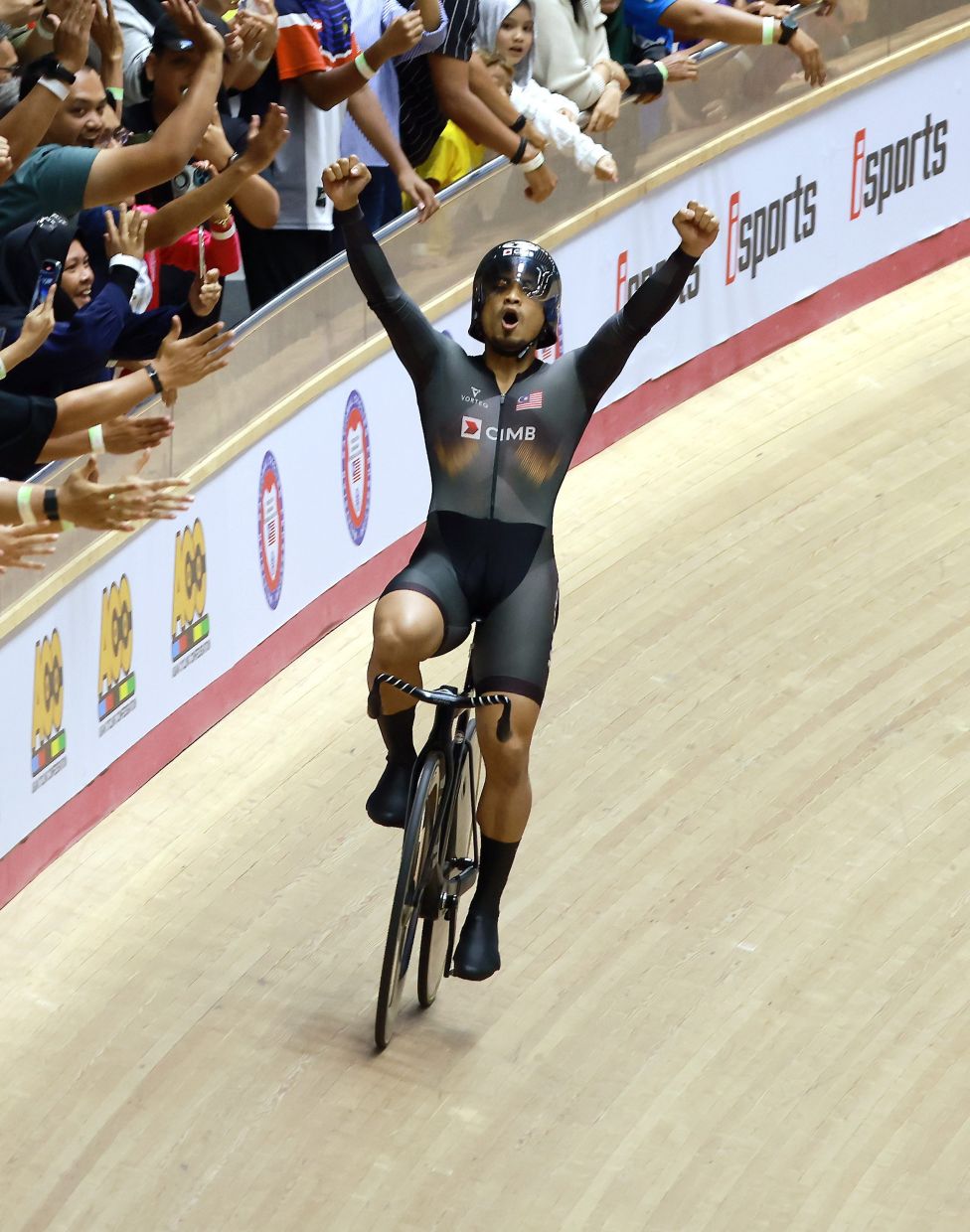
Track cyclist Azizulhasni Awang finally received the confirmation he had been desperately seeking when the National Sports Council and Youth and Sports Ministry notified him on Merdeka Day that his services remain essential for Malaysia's Los Angeles 2028 Olympic campaign. The emotional 38-year-old received the news via email on Monday, August 31, while at the velodrome for his first training session following a week-long absence. The veteran athlete's visible relief, captured in a social media video where he struggled to hold back tears, reflected the immense psychological toll of the preceding uncertainty that had gripped the Malaysian cycling community.
Azizul's journey to this moment reveals the complicated intersection of athlete welfare, institutional communication, and public pressure within Malaysian sports governance. The former keirin world champion had made clear his preference to retire from competitive cycling, but signalled his willingness to extend his career specifically to pursue Olympic gold at Los Angeles if national authorities deemed it necessary. Rather than receiving a straightforward answer from the sports establishment, Azizul found himself caught in an administrative limbo that stretched from before the Glasgow Commonwealth Games through late August. This prolonged silence forced the athlete into an uncomfortable position where he felt compelled to air his frustrations publicly on social media, a decision that resonated deeply with Malaysian sports fans.
The public response to Azizul's situation proved instrumental in catalysing official action. Thousands of Malaysians mobilised across social media platforms to express their support, overwhelming the National Sports Council and Youth and Sports Minister Dr Taufiq Johari with criticism for the unexplained delay. The groundswell of sentiment reflected deeper public affection for Azizul, whose career achievements and personal sacrifices have earned him iconic status within Malaysian cycling. Netizens recognised that a champion athlete of his calibre deserved clarity rather than vague assurances, and their collective voice became impossible for administrators to ignore.
Azizul's emotional response to finally receiving confirmation underscores the psychological demands placed on elite athletes operating in uncertain environments. During the week when he was without an answer, the cyclist found himself unable to train effectively, describing a profound emptiness both physical and mental. This deterioration illustrates how institutional indecision directly undermines athletic performance and wellbeing. The athlete articulated a powerful reality that resonates across professional sports globally: those who have not experienced the sacrifice and dedication of competitive sport cannot fully grasp the emotional weight of career-defining moments. His words carried an implicit critique of administrative bodies that make consequential decisions about athletes' futures without fully appreciating the human cost of delay.
The Malaysian National Cycling Federation played a supportive role by publicly disclosing that both the National Sports Council and Youth and Sports Ministry had formally confirmed they would furnish Azizul with the necessary resources to qualify for and compete at Los Angeles 2028. This official backing carries substantial implications for the cyclist's preparation timeline. Olympic qualification campaigns require meticulous planning, targeted competition selection, and sustained funding streams. With clarity finally established, Azizul can now develop a comprehensive strategy to meet qualifying standards while managing his physical condition across the months leading up to 2028.
The resolution of this situation reflects broader questions about how Southeast Asian sports institutions should engage with their elite athletes. Malaysia's experience with Azizulhasni Awang demonstrates that prolonged administrative silence, even when unintentional, can generate unnecessary tension and undermine public confidence in sports governance. The cyclist's decision to speak publicly about his frustrations, though uncomfortable for officials, ultimately produced the outcome that both he and Malaysian sports fans desired. This dynamic suggests that sports authorities would benefit from establishing clearer protocols for communicating decisions affecting high-profile athletes, particularly those pursuing Olympic glory.
Azizul's continued commitment to Malaysian cycling carries symbolic weight beyond the individual athlete. Track cycling remains one of Malaysia's most successful Olympic disciplines, with a tradition of excellence spanning decades. The cyclist's presence in the Los Angeles campaign ensures continuity of that legacy and provides inspiration to younger cyclists navigating their own career trajectories. His willingness to delay retirement in service of national Olympic ambitions demonstrates the values of dedication and patriotism that Malaysian sports institutions regularly invoke in their promotional messaging. Ensuring that such athletes receive timely, unambiguous support becomes both a practical and moral imperative.
The pathway forward now focuses on translating administrative commitment into concrete performance outcomes. Azizul must navigate the highly competitive landscape of international track cycling, where qualification standards continue to rise. His age, while not unprecedented among Olympic cyclists, means that every training session and competitive outing counts toward the cumulative fitness and experience necessary to perform at the highest level. The Malaysian cycling federation and sports ministry must ensure that their official commitment translates into sustained funding, access to world-class coaching, and competition opportunities that allow the athlete to benchmark himself against international rivals.
Looking ahead to 2028, Azizulhasni Awang's journey carries implications for how Malaysia approaches talent retention and athlete care more broadly. The incident surrounding his LA 2028 confirmation, though ultimately resolved positively, exposed gaps in how national sports bodies communicate with their most accomplished performers. For younger athletes observing from the sidelines, the experience serves as a cautionary tale about the importance of building public support and maintaining media presence when institutional channels prove unresponsive. Conversely, for sports administrators, the episode offers a clear lesson about the reputational and performance costs of administrative delays affecting national champions. As Azizul prepares for his final Olympic campaign, Malaysian cycling and the broader sports establishment have an opportunity to demonstrate that clarity, respect, and timely decision-making are standard practice rather than exceptions won through public pressure.

