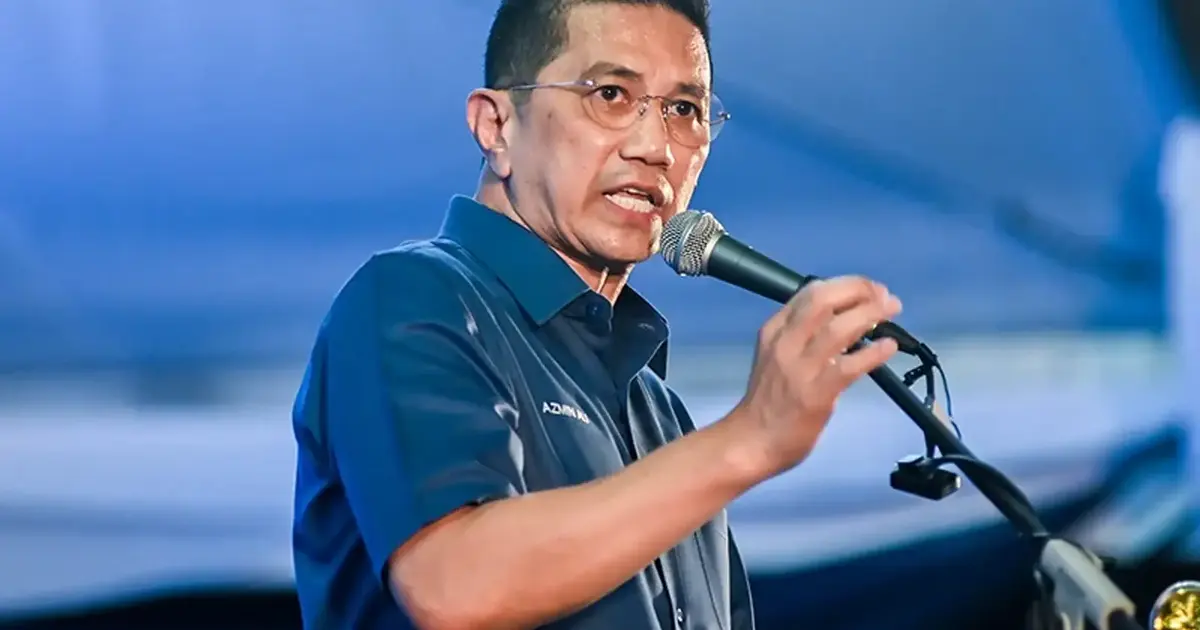
Azmin Ali, currently serving as Bersatu's secretary-general, has emerged in political circles as a potential linchpin for bridging divisions between his party and the broader Pakatan Harapan coalition, according to assessments by political analysts tracking developments within Malaysia's opposition landscape. The positioning reflects growing speculation about internal realignments and possible leadership transitions within Bersatu, particularly if current party dynamics undergo significant shifts in the coming months.
Analysts emphasize that Azmin's decade-long tenure as deputy president of PKR, one of Pakatan Harapan's founding member parties, provides him with deep institutional knowledge and established relationships across the coalition's leadership structure. This extended period in PKR's second-highest position gave him substantial exposure to the party's decision-making processes, key figures, and the broader ideological framework that has traditionally bound the opposition alliance together since its formation before the 2018 general election.
The significance of Azmin's background becomes apparent when examining Bersatu's recent trajectory and its sometimes-strained relationship with other Pakatan Harapan components. Bersatu, founded by former Prime Minister Mahathir Mohamad, joined the coalition only after the 2018 election and has at various points pursued political alliances outside the opposition framework. This history has created friction with parties like PKR, DAP, and Amanah, which view such moves as undermining coalition solidarity and strategic coherence during critical political moments.
Azmin's credentials in the PKR environment are particularly relevant given the recurring tensions between Bersatu and Pakatan Harapan's other parties over coalition governance, policy coordination, and seat allocation in electoral contests. His familiarity with how PKR operates internally, combined with his current leadership position within Bersatu, positions him as someone who understands both organizational cultures and could potentially articulate common ground between the parties. Such bridge-building capacity would prove invaluable if coalition restructuring becomes necessary or if Pakatan Harapan seeks to strengthen its internal cohesion before a critical electoral cycle.
The analyst observations also reflect broader concerns about Bersatu's strategic direction under its current leadership. Questions about the party's long-term commitment to Pakatan Harapan, coupled with speculation about possible changes in Bersatu's top positions, have prompted observers to consider potential successors and their likely approach toward coalition management. Azmin's name features prominently in these discussions precisely because his political trajectory suggests comfort operating within both Bersatu's framework and the wider opposition ecosystem.
From a practical standpoint, a figure like Azmin could facilitate smoother communication channels between Bersatu and other Pakatan Harapan parties on matters ranging from parliamentary coordination to common policy positions on issues affecting Malaysian voters. His presence in Bersatu leadership ensures that institutional memory of PKR's internal processes and coalition expectations remains active within the party, potentially reducing misunderstandings that might otherwise emerge from organizational isolation.
The timing of these analytical assessments coincides with broader questions within Malaysian politics about how opposition parties can present a united alternative to the government amid ongoing political volatility. Coalition coherence has proven essential for opposition credibility, particularly as voters evaluate which political combinations might offer viable governance alternatives. Any fracturing of Pakatan Harapan dynamics could diminish the coalition's electoral appeal and parliamentary effectiveness, making the availability of capable bridge-builders between component parties strategically important.
It should be noted that Azmin's journey between PKR and Bersatu reflects the fluid nature of Malaysian political alignments, where personal relationships, ideological compatibility, and strategic calculations continuously reshape party compositions and inter-party dynamics. His movement from one party to another demonstrates how senior figures navigate the complex landscape of opposition politics, seeking platforms that align with their political vision while maintaining broader alliance commitments.
The analysts' focus on Azmin also underscores broader questions about Bersatu's institutional stability and the party's capacity to retain cohesion across different internal factions. A secretary-general position carries significant responsibilities for party organization and member management, and Azmin's successful navigation of these duties has apparently generated confidence among those assessing potential leadership scenarios. His visibility in coordinating party activities and representing Bersatu in coalition forums has presumably demonstrated competence in roles that would be essential for anyone attempting to lead the party through a period of potential realignment with Pakatan Harapan.
Looking forward, whether Azmin eventually assumes a more elevated position within Bersatu or remains in his current secretarial role, his symbolic importance as a figure with credibility across opposition party lines appears likely to persist. In Malaysian politics, where personal networks and institutional trust significantly influence coalition management, individuals bridging multiple party ecosystems often play crucial roles during periods of strategic recalibration and realignment.
The speculation about Azmin's potential expanded role ultimately reflects the fluid nature of Malaysia's opposition politics and the ongoing challenges facing Pakatan Harapan in maintaining unity while advancing distinct party identities. Whether any leadership transition materializes and whether Azmin's role expands accordingly will depend on multiple factors including party elections, electoral performance, and broader political developments across the country. Nevertheless, analysts clearly view his profile as offering possibilities for closer coordination between Bersatu and Pakatan Harapan that could strengthen the coalition's overall political positioning.