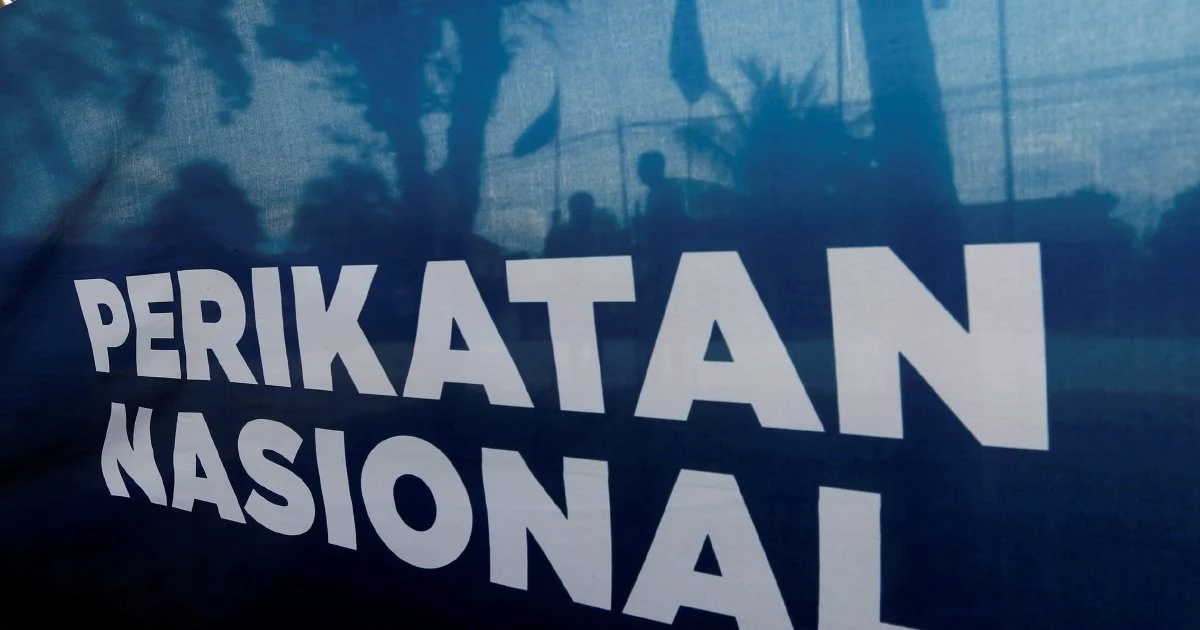
Perikatan Nasional has announced the removal of two prominent figures from its leadership structure, as Datuk Seri Mohamed Azmin Ali and Datuk Dr Mohd Radzi Md Jidin have been dropped from their respective posts within the opposition coalition. The reshuffle marks a notable shift in the internal dynamics of PN, one of Malaysia's major political alliances seeking to consolidate its influence ahead of potential electoral contests.
Azmin, who has maintained a significant presence in Malaysian politics through his representation of Gombak, previously held an influential position within PN's organizational hierarchy. His departure from the leadership structure comes amid broader discussions about the coalition's strategic direction and internal power consolidations. The politician had been a visible figure in PN's political operations, and his removal signals potential changes in how the coalition intends to position itself moving forward.
Radzi's transition out of his PN leadership role represents another piece in the coalition's organizational puzzle. As a senior member who brought technical expertise and administrative experience to the coalition's operations, his stepping back from these responsibilities suggests PN is recalibrating how it deploys its leadership talent. The timing of these changes often reflects broader negotiations between coalition partners about representation and influence.
The reshuffle arrives at a critical juncture for PN, which has been navigating complex political terrain since its formation and subsequent political developments. The coalition comprises multiple parties with distinct ideological positions and regional interests, making leadership arrangements inherently complex. These internal adjustments typically involve negotiations between the dominant parties within the alliance to ensure balanced representation and clear operational lines.
For Malaysian political observers, such leadership changes within opposition coalitions carry implications for the broader electoral landscape. PN's positioning against the current government has depended partly on maintaining internal cohesion while projecting a credible alternative vision to voters. Leadership restructuring can either strengthen this positioning by clarifying decision-making processes or create vulnerabilities if perceived as reflecting unresolved internal tensions.
The move also reflects how Malaysian political coalitions routinely adjust their internal architecture to adapt to changing circumstances. Unlike Western party structures, Malaysian coalitions involve separate political entities maintaining their independence while coordinating electoral strategy and policy positions. Leadership shuffles therefore serve multiple purposes: rewarding loyalists, managing factional interests, and ensuring that coalition-level positions are held by those with sufficient standing within their respective parties.
Azmin's political trajectory has been notable for its complexities, having navigated different coalition alignments in recent years. His removal from PN leadership posts may indicate either a mutual decision regarding focus on his parliamentary work, or it could signal adjustments to PN's preferred public face for particular constituencies or policy areas. Either way, his continued presence as a PN-affiliated parliamentarian maintains party representation while clarifying leadership roles.
Radzi's background in administrative and technical portfolios made him a valuable operational figure within PN's structure. His stepping down from these responsibilities could allow PN to place others with different expertise or factional backing into these positions. Coalition leadership positions often require balancing technical competence with political representation, and such changes usually involve calculations about who best serves these dual purposes.
The reshuffle timing deserves analytical attention, as PN periodically adjusts leadership during periods when political focus shifts between electoral campaigns and legislative operations. These adjustments help coalitions maintain momentum and demonstrate that they are actively managing their internal organization—an important signal to supporters and the broader electorate about operational competence.
For Southeast Asian political observers, PN's internal dynamics illustrate broader patterns in how opposition coalitions function in Malaysia's federal parliamentary democracy. These reorganizations serve as barometers of coalition health and strategic thinking. A well-managed reshuffle can strengthen coalition credibility, while poorly-perceived changes risk appearing as factional disputes or leadership instability.
The implications for Malaysian governance extend beyond coalition politics. How effectively PN manages its internal structures influences its capacity to serve as an effective check on government policies, propose coherent alternative directions, and ultimately provide viable electoral alternatives to voters. Leadership restructuring that enhances clarity and operational efficiency strengthens this role, while disorganized or contentious changes undermine it.
Moving forward, political analysts will monitor whether these leadership transitions are part of a broader strategic repositioning by PN or reflect specific internal negotiations between coalition partners. Such changes often precede announcements of new policy directions or electoral strategies. The reshuffle also sets a timeline for understanding who will represent PN in key parliamentary committees and inter-party negotiations with government, matters of direct consequence for Malaysian legislative processes.

%22%2F%3E%3C%2Fpattern%3E%3C%2Fdefs%3E%3Crect%20width%3D%22100%25%22%20height%3D%22100%25%22%20fill%3D%22url(%23phy0vqg)%22%2F%3E%3Crect%20width%3D%22100%25%22%20height%3D%22100%25%22%20fill%3D%22url(%23phy0vqp)%22%2F%3E%3Ctext%20x%3D%2250%25%22%20y%3D%2250%25%22%20text-anchor%3D%22middle%22%20dominant-baseline%3D%22central%22%20fill%3D%22rgba(255%2C255%2C255%2C0.95)%22%20font-family%3D%22Georgia%2C%20'Times%20New%20Roman'%2C%20serif%22%20font-weight%3D%22700%22%20font-size%3D%22170%22%20letter-spacing%3D%22-0.02em%22%3EMalaysia%3C%2Ftext%3E%3C%2Fsvg%3E)