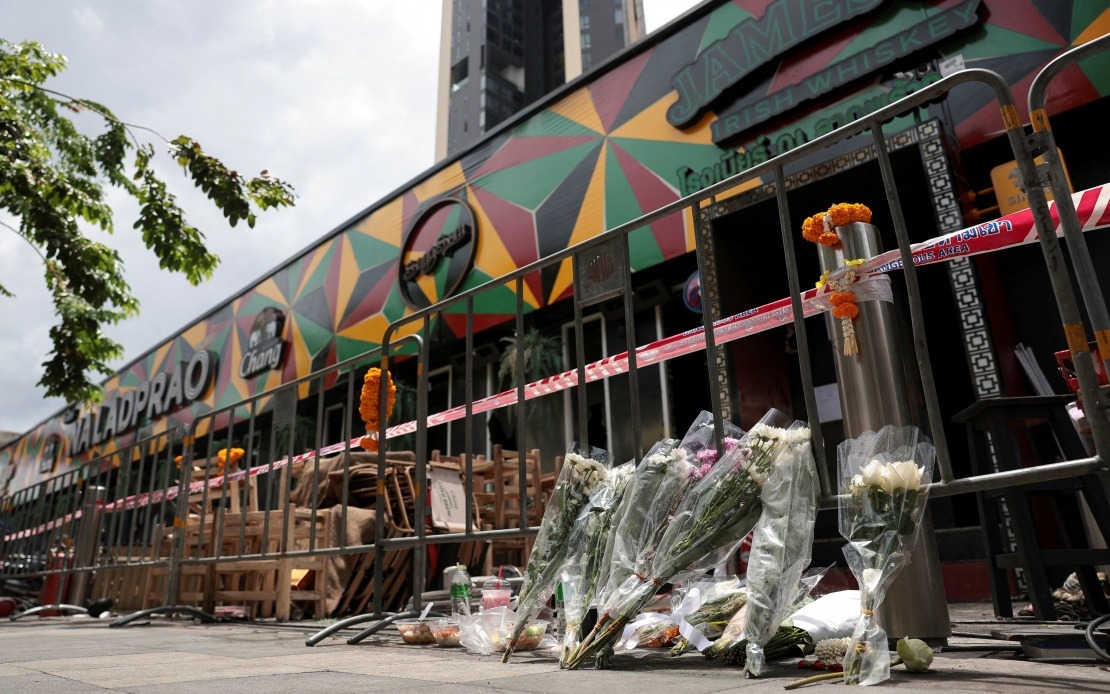
A devastating fire at a Bangkok nightclub has claimed 32 lives, with the casualty count rising as two critically injured victims succumbed to their injuries while hospitalised. The tragedy at Rong Beer Na Lat Phrao, located in the Chatuchak district, unfolded shortly before midnight on Monday, trapping guests and staff in what witnesses and investigators describe as a structure with serious safety deficiencies. The latest fatalities were reported at Paolo Kaset Hospital and Nopparat Rajathanee Hospital, bringing the total number of deaths occurring after initial hospitalisation to five, according to the Bangkok Emergency Medical Centre, commonly referred to as the Erawan Centre.
Among the 79 people injured in the blaze, 44 have since been released from medical care. However, 30 remain in hospital treatment, with the situation particularly grave for 15 patients confined to intensive care units battling burn injuries and smoke inhalation. The remaining 15 injured are under observation in general ward facilities, where medical staff continue assessing their conditions. The Erawan Centre released this updated tally on Wednesday morning, reflecting the ongoing medical emergency as hospitals cope with the influx of severe trauma cases.
Investigators have identified several critical safety failures at the venue that appear to have transformed the fire into a mass casualty incident. Preliminary findings highlight blocked or non-functional emergency exits as a primary concern, preventing rapid evacuation when the blaze erupted. The interior furnishings and decor utilised flammable materials that accelerated the fire's spread throughout the establishment, intensifying heat and smoke that trapped occupants. Additionally, authorities are examining possible electrical system faults as a potential source of ignition, though the precise cause remains under formal investigation by Thai authorities.
The incident has triggered an immediate and forceful response from Thailand's political leadership. Prime Minister Anutin Charnvirakul issued directives on Tuesday requiring the Ministry of Interior to conduct comprehensive safety inspections across Thailand's landscape of commercial buildings and entertainment venues. This nationwide effort represents a significant escalation in regulatory oversight and reflects the gravity with which Bangkok's leadership views the disaster. The inspection campaign will involve coordinated action between the Bangkok Metropolitan Administration, municipal-level authorities, the Department of Public Works and Town & Country Planning, and the Royal Thai Police.
For Malaysian readers, the Bangkok incident underscores vulnerabilities that may exist across Southeast Asia's entertainment and hospitality sectors. Many nightlife establishments throughout the region operate with similar architectural constraints and fire safety protocols that warrant scrutiny. The tragedy illuminates how rapidly crowded venues can become death traps when emergency procedures fail or exit infrastructure is compromised. Thailand's regulatory response will likely set a template for assessing venue safety standards that could influence policy considerations in Malaysia and neighbouring countries.
The Rong Beer Na Lat Phrao fire demonstrates how preventable design and maintenance failures can amplify the consequences of an otherwise manageable incident. Had emergency exits functioned properly and been unobstructed, evacuation rates would likely have been substantially higher and fatalities dramatically lower. Flammable interior materials, while aesthetically popular in entertainment venues seeking particular ambiances, transform spaces into accelerants during emergencies. These structural and operational factors underscore the necessity of rigorous compliance with fire safety codes and regular inspections of commercial establishments.
Thailand's hospitality and entertainment industry, which significantly contributes to the nation's economy and employment landscape, now faces increased scrutiny following the disaster. Business operators will confront new compliance requirements, potential venue closures pending safety upgrades, and reputational damage as consumer confidence in nightlife safety comes into question. The economic implications extend beyond individual establishments to affect tourism perceptions, though Thai officials will likely emphasize their commitment to improving standards as reassurance to international visitors.
The psychological and social aftermath of such mass casualty incidents extends far beyond immediate death and injury figures. Survivor trauma, grieving families, and community shock from losing neighbours and acquaintances in a preventable tragedy create lasting societal impacts. Thai authorities will need to balance rapid facility reopenings with genuine safety improvements to prevent both continued loss of life and economic paralysis within the entertainment sector.
For Southeast Asian nations monitoring this incident, the Bangkok fire serves as a cautionary case study in venue management. Malaysia's own nightlife establishments should proactively assess their emergency exit functionality, interior material flammability, and electrical system integrity rather than awaiting regulatory mandates. Voluntary compliance improvements benefit business owners by demonstrating responsibility to insurance providers, regulators, and patrons while potentially preventing tragedies. The incident reinforces that entertainment venue safety is not merely a regulatory obligation but a fundamental duty to protect human life.

