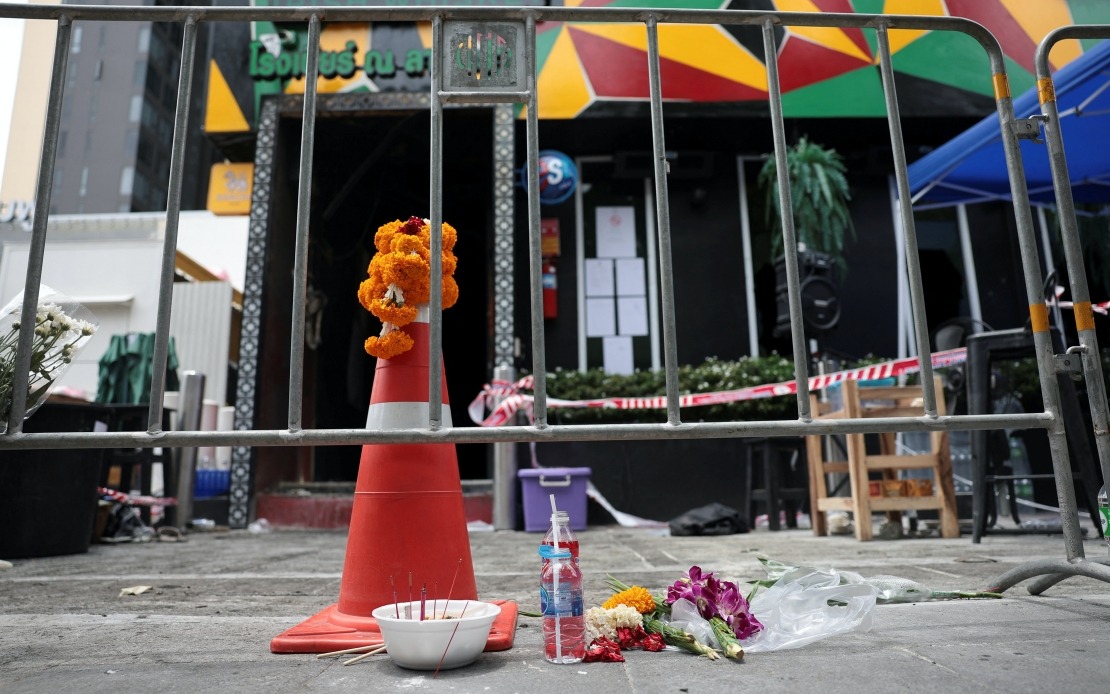
A catastrophic fire at a Bangkok entertainment venue in the Lat Phrao district has been definitively linked to toxic gas poisoning rather than thermal injuries, according to findings released by the city's Metropolitan Police Bureau on Thursday. The tragic incident, which erupted shortly after midnight on Monday, claimed 33 lives and left more than 70 others injured, making it one of Thailand's deadliest fire disasters in recent years. Police Lieutenant General Sayam Boonsom, the Metropolitan Police Bureau Commissioner, clarified during a media briefing that none of the victims perished directly from exposure to flames, fundamentally altering public understanding of the disaster's mechanics.
The medical findings indicate that all fatalities resulted from asphyxiation following inhalation of lethal gases, primarily carbon monoxide and cyanide. These substances were detected in toxicology reports from victims' bodies, revealing the insidious nature of the fire's progression. Carbon monoxide, an odourless and colourless gas produced during incomplete combustion, binds to haemoglobin in the bloodstream with significantly greater affinity than oxygen, effectively suffocating victims from within. Cyanide, similarly, disrupts the body's cellular respiration mechanism, preventing tissues from utilising oxygen regardless of how much is available in the lungs. Both compounds can prove fatal within minutes of exposure, meaning victims likely lost consciousness and died before flames reached them directly.
This revelation carries profound implications for understanding how such fires develop and spread through enclosed venues. The presence of both carbon monoxide and cyanide suggests that during the fire's initial stages, incomplete combustion created a toxic atmosphere that displaced breathable air faster than visible flames advanced through the space. Witnesses and survivors who managed to escape may have been overwhelmed by fumes before reaching exits, while those trapped or incapacitated by smoke inhalation would have had virtually no chance of survival. The dual detection of these gases indicates materials in the venue released cyanide when burned, possibly from furnishings, insulation, or other synthetic materials common in entertainment establishments.
Forensic investigations at the scene have been completed, though police investigations remain active and ongoing. Authorities are pursuing multiple investigative threads, with particular focus on electrical faults as a potential ignition source. The inquiry has also shifted attention toward serious safety violations that may have exacerbated the disaster's severity. Among the violations being examined are unauthorised structural modifications to the building and the critical issue of blocked or inadequate emergency exits. In Thailand, where building codes are sometimes poorly enforced in older entertainment districts, such deficiencies are disturbingly common, effectively converting venues into death traps during emergencies.
Police have indicated that charges have not yet been filed, but prosecutors are preparing to pursue multiple criminal offences. These include causing death and injury through negligence, conducting unauthorised structural alterations to a building, and negligently causing a fire. Beyond these core charges, investigators are also examining potential violations of entertainment venue regulations and whether the establishment operated beyond the permitted scope of its business licence. Such comprehensive charging reflects the severity of the incident and the recognition that multiple systemic failures likely contributed to the high casualty toll. The legal pathway currently being assembled suggests authorities intend to hold multiple parties accountable, from property owners and managers to contractors who may have performed unauthorised work.
The investigation has already involved extensive witness testimony, with police having questioned more than 106 individuals in the days following the fire. These witnesses include survivors, staff members, first responders, and potentially neighbours or nearby residents who observed the fire's outbreak or evacuation. The scale of the witness questioning underscores the complexity of establishing how the fire originated and spread, as well as determining what safety protocols, if any, were breached. For Malaysia and other Southeast Asian nations with similar informal entertainment sectors, this investigation will likely provide crucial lessons about the dangers of poor regulatory oversight and inadequate venue safety standards.
Current casualty statistics show that the initial emergency response has been ongoing since Monday. As of Thursday, fourteen victims remained in intensive care units, still fighting for survival from injuries and smoke inhalation effects. An additional forty-four patients had already been discharged to outpatient care or returned home, representing those who sustained injuries but did not require ongoing hospitalisation. The survival of these seventy individuals appears largely attributable to their physical proximity to exits when the fire broke out or their successful navigation through the smoke-filled venue before toxic gas concentrations became lethal.
The fire has reignited crucial debates across Thailand and the Southeast Asian region regarding entertainment venue safety standards. Bangkok's entertainment districts, particularly older areas, operate with a patchwork of safety compliance, where bribes to local authorities sometimes substitute for actual adherence to fire codes. The presence of blocked exits suggests that safety equipment was either inadequately installed or deliberately obstructed—possibly to prevent unauthorised patron entry or theft. Such practices are not unique to Thailand but represent endemic problems throughout the region, where economic pressures and weak enforcement create systemic vulnerabilities.
For Malaysian hospitality and entertainment operators, the Bangkok disaster serves as an urgent reminder of liability exposure and the genuine importance of safety compliance. Local authorities, insurance underwriters, and industry associations may be prompted to review standards in similar venues. The incident demonstrates that fires in enclosed spaces with synthetic furnishings and poor ventilation can kill occupants through chemical asphyxiation far more rapidly than through thermal effects, meaning evacuation speed becomes paramount. Venues must maintain unobstructed emergency exits, functional alarm systems, and staff trained in rapid evacuation procedures. The investigation will likely conclude with recommendations for stricter enforcement of existing codes and potentially new regulations addressing venue design and safety equipment standards across Thailand and neighbouring countries.

