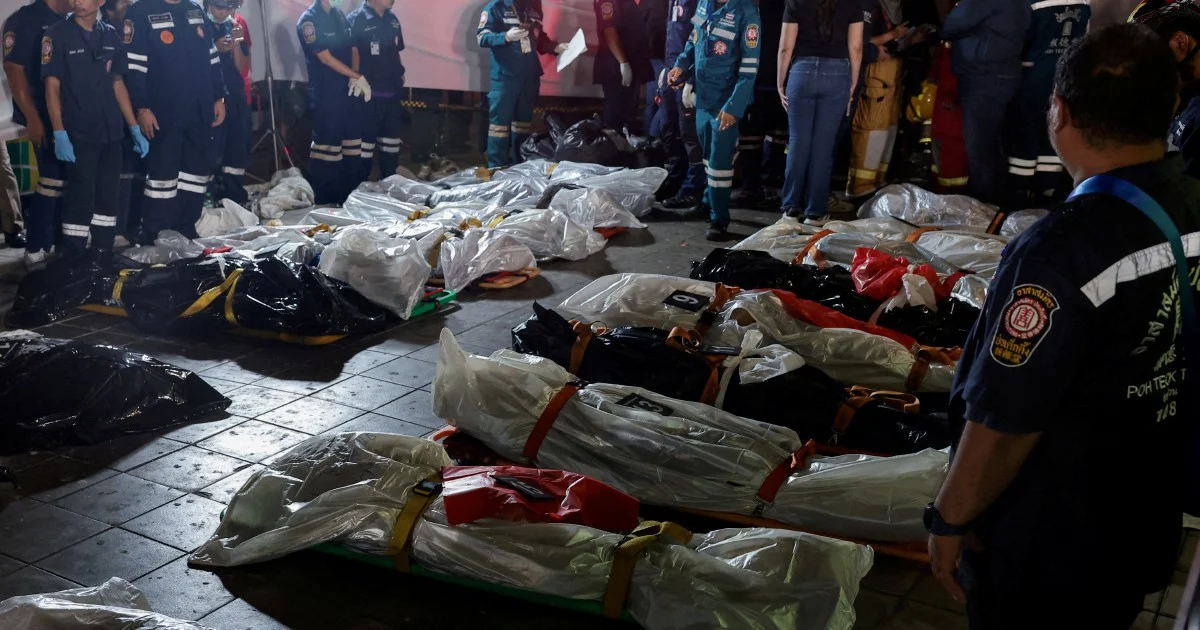
A devastating fire engulfed a Bangkok bar late on Sunday evening, resulting in the deaths of at least 27 people, according to Thai Prime Minister Anutin Charnvirakul. The incident marks one of the most serious fire disasters to strike the Thai capital in recent years, raising immediate questions about safety protocols within the kingdom's vibrant but often loosely regulated nightlife sector. Emergency responders were deployed to the scene, where firefighting efforts continued through the night as authorities began the process of identifying victims and accounting for survivors.
The exact location and circumstances surrounding the outbreak remain under investigation, though initial reports suggest the fire spread rapidly through the venue, making escape difficult for those inside. Thai officials have launched comprehensive inquiries to determine the cause, whether faulty electrical wiring, blocked emergency exits, or other factors contributed to the tragedy. Such incidents are particularly concerning in Southeast Asia's entertainment districts, where venues often operate with minimal oversight and occupancy limits are frequently exceeded during peak hours.
For Malaysia's own regulatory authorities and fire safety inspectors, the Bangkok incident serves as a cautionary reminder of risks that transcend borders. Malaysian nightlife establishments, particularly in Kuala Lumpur and other major cities, operate within similar regulatory frameworks and face comparable enforcement challenges. The disaster underscores the critical importance of regular safety audits, staff training on emergency procedures, and rigorous adherence to occupancy restrictions—standards that require constant vigilance from both venue owners and government agencies.
The loss of life at such a magnitude reflects broader infrastructure and safety culture challenges prevalent across the region. Many entertainment venues prioritize revenue generation over stringent compliance with fire codes, viewing safety upgrades as unnecessary expenses. Additionally, informal venues operating without proper licenses constitute a significant portion of the nightlife economy in major Southeast Asian cities, creating blind spots for regulators attempting to enforce consistent safety standards.
Prime Minister Anutin Charnvirakul's public acknowledgment of the casualty figure signals the severity of the situation and the Thai government's recognition that immediate action is required. Such statements from high-level officials typically precede broader policy reviews and, in some cases, legislative amendments designed to tighten safety requirements for entertainment establishments. Thailand has experienced major venue fires before, each prompting temporary regulatory scrutiny that often diminishes over time without sustained institutional change.
The incident will likely prompt regional governments, including Malaysia, to review their own fire safety inspection protocols and enforcement mechanisms. Building codes stipulate requirements for illuminated emergency exits, unobstructed evacuation routes, functioning fire detection and suppression systems, and regular staff training. However, the gap between written regulations and their consistent implementation across hundreds of venues remains substantial in most Southeast Asian jurisdictions.
Emergency responders faced significant challenges in evacuating patrons from a crowded venue during what was presumably a busy evening. Eyewitness accounts typically reveal confusion, limited visibility due to smoke, and difficulty locating exits in venues not designed with safety as a paramount consideration. These human factors—panic, poor visibility, and unfamiliar surroundings—dramatically increase casualty rates even when structural fire safety features are theoretically in place.
The Bangkok bar fire will inevitably draw international attention to Thailand's entertainment sector and may impact visitor confidence in the country's nightlife destinations. Thai tourism generates substantial revenue and foreign exchange for the nation, making any significant safety incident a matter of economic as well as humanitarian concern. Both Thai authorities and venue operators recognize that demonstrating commitment to enhanced safety protocols is essential for maintaining tourist confidence.
For establishments across Southeast Asia, the Bangkok tragedy presents an opportunity to reassess their safety posture comprehensively. Beyond meeting minimum legal requirements, forward-thinking venue operators can implement additional measures such as modern fire alarm systems, regular evacuation drills, adequate staff training, and even advanced technology like automated emergency lighting and door release mechanisms. These investments, while costly initially, represent responsible business practice and demonstrate genuine commitment to patron welfare.
The regional implications extend beyond tourism and business. Families affected by the Bangkok fire—whether Thai nationals or visitors—face profound tragedy that will resonate across Southeast Asia. Malaysian Malaysians traveling to Thailand for leisure or business are reminded of the importance of personal awareness regarding emergency exits and safety features when entering unfamiliar venues, particularly in crowded entertainment districts where risk is naturally elevated.
Thai authorities' response to the coming weeks and months will determine whether this incident catalyzes meaningful, lasting improvements in fire safety enforcement or represents merely another tragedy followed by temporary regulatory activity. Sustained oversight, regular surprise inspections, meaningful penalties for non-compliance, and industry cooperation are essential elements of genuine reform. Malaysia's own regulatory bodies can monitor Thailand's response carefully, drawing lessons for their own enhanced safety protocols across the region's entertainment venues.

