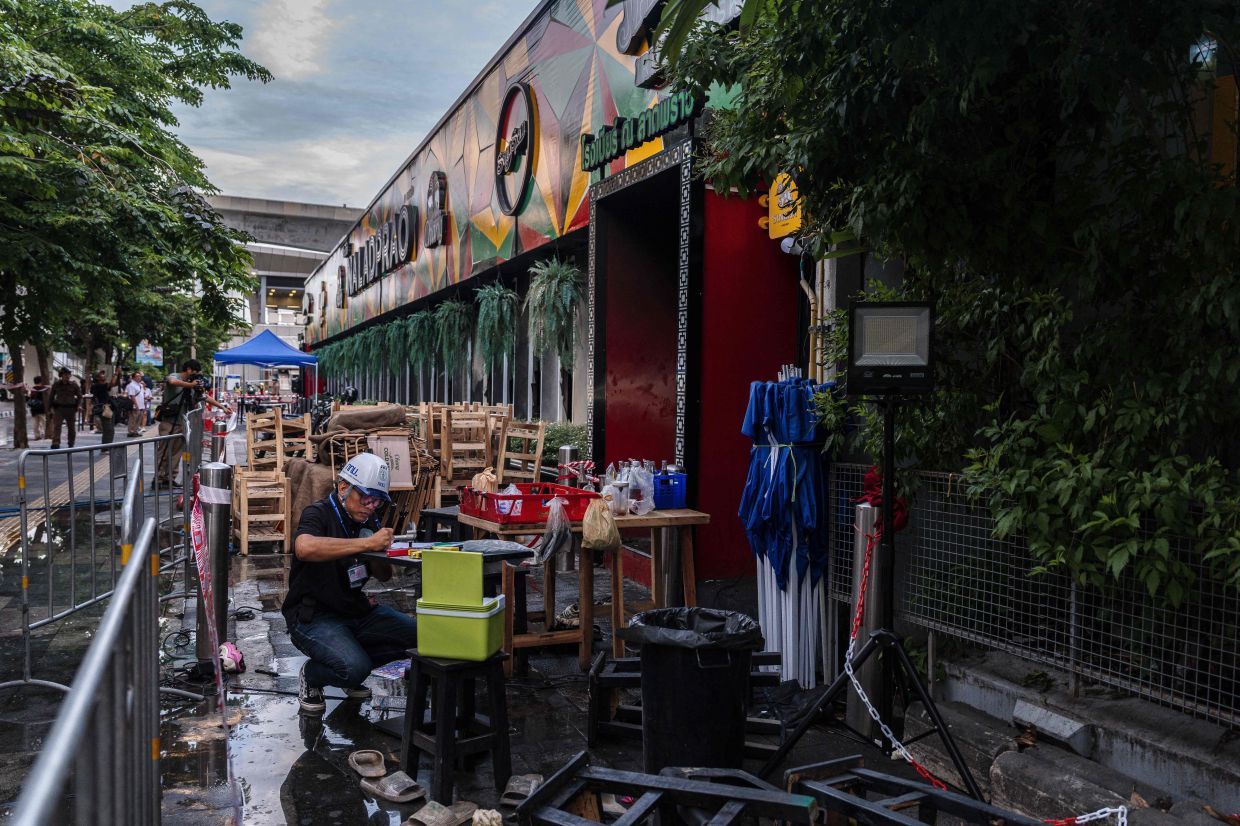
The death toll from a devastating blaze at a Bangkok dining venue has reached 27, spurring the Thai capital's authorities into swift action to support grieving families and prevent similar tragedies. The fire broke out at the establishment in the Lat Phrao area late Sunday, claiming nine male and 18 female lives, with another 18 people sustaining injuries ranging from minor to critical. The scale of the disaster has prompted Bangkok's top administrator to declare immediate priorities centred on victim assistance and a thorough review of fire safety standards across the city's hospitality sector.
Bangkok Governor Chadchart Sittipunt arrived at the scene around 2.40am on Monday morning and quickly moved to establish a coordination centre through the Chatuchak District Office to serve families of the deceased and injured. The centre represents a recognition that beyond the initial emergency response, communities affected by such catastrophes require sustained institutional support to navigate the practical and emotional aftermath. Multiple contact lines have been made available to relatives seeking information, with district officials assigned to assist those attempting to identify their loved ones and access compensation or aid programmes.
The rapid establishment of this support mechanism reflects lessons learned from previous disasters in Thailand and across Southeast Asia, where families have sometimes been left to navigate bureaucratic processes alone. The coordination centre will serve as a single point of contact for relatives struggling with identification procedures, hospital visits, and administrative requirements. This centralised approach aims to reduce the burden on grieving families during an intensely difficult period and ensure that no one falls through institutional cracks.
The investigation into what caused the fire to spread so catastrophically remains ongoing, though preliminary findings suggest that rapid ceiling flames and potentially toxic smoke from interior decorative materials may have played critical roles. The venue contained plastic furniture that, while showing relatively minor damage, may have released dangerous fumes during combustion. Governor Chadchart emphasised that the speed and pattern of the blaze warrant specialist analysis, particularly regarding the role of construction and decoration materials in the building's interior.
Rescue operations were hampered by multiple compounding factors that emergency responders encountered upon arrival approximately five minutes after receiving the alert. Thick smoke rendered the interior nearly impenetrable, forcing firefighters to navigate blindly through the venue while searching for trapped occupants. Many victims apparently sought refuge in toilet areas at the rear of the building, a natural human instinct during emergencies that in this case may have led them away from the quickest escape routes. Some bodies were later discovered near an emergency exit on the left side, suggesting that evacuation routes may have been blocked or unclear during the critical moments when people were attempting to flee.
The investigation has revealed that the venue possessed two emergency exits, with one route running through the kitchen—a layout that raises questions about compliance with fire safety regulations and practical evacuation procedures. Authorities will now scrutinise whether the kitchen passage functioned as a viable emergency route, whether exit signs were visible through heavy smoke, and whether accumulated debris or equipment obstructed people's ability to reach safety. These findings will likely prompt a broader examination of fire-exit standards across Bangkok's entertainment venues, where many establishments may operate with similarly questionable safety infrastructure.
Governor Chadchart has tasked Bangkok officials with three urgent priorities that address both immediate relief and long-term prevention. First, the coordination centre must effectively serve affected families through comprehensive assistance and information access. Second, authorities must conduct thorough examinations of the venue's operating permits and compliance with fire-safety regulations. Third, and most critically for the broader public interest, officials must review fire-escape systems across comparable establishments to identify and rectify potential hazards before another tragedy occurs. This multi-layered response acknowledges that disaster prevention requires both reactive investigation and proactive oversight.
The nature of casualties at the venue hints at particular vulnerabilities in how crowds respond to fire emergencies in nightlife settings. The disproportionate number of female victims may reflect varying factors including physical positioning during the fire, differential panic responses, or overcrowding patterns typical in such venues. Understanding why certain demographics within the venue experienced higher mortality rates could inform better evacuation procedures and safety awareness campaigns targeted to hospitality workers and patrons across Bangkok.
Forensic analysis will ultimately determine whether deaths resulted primarily from smoke inhalation, thermal injuries, or combinations thereof. Until those findings emerge, authorities are exercising appropriate caution in their public statements, though preliminary indications point strongly to toxic smoke as the primary killer. The delay in formal cause-of-death determinations reflects the complexity of post-fire medical investigation and the multiple physiological mechanisms through which fire-related incidents claim lives.
The incident has significant implications for Bangkok's hospitality and entertainment sectors, which generate substantial economic value but have historically operated with inconsistent safety standards. Venue operators may face intensified regulatory scrutiny, mandatory safety upgrades, and potentially revised licensing requirements. These measures, while economically burdensome, represent necessary adjustments to ensure that profit motives do not continue to override public safety considerations.
This tragedy arrives amid broader Southeast Asian concerns about fire safety in commercial establishments, where rapid development and competitive pressures sometimes create gaps between official regulations and actual practices. Malaysia, with its substantial nightlife and hospitality industries, should consider whether similar vulnerabilities exist in comparable venues, and whether fire-safety enforcement mechanisms require strengthening. Cross-border learning from Thailand's investigation and response may help prevent comparable incidents in other regional countries.
Bangkok's coordinated response—combining victim support, investigation, and preventive oversight—establishes a model for institutional accountability following major emergencies. However, the true measure of this response will be whether the underlying safety failures that enabled this fire receive genuine remediation or whether, as sometimes happens after initial crises fade from public attention, enforcement lapses again. Governor Chadchart's commitment to acceleration and thoroughness will be tested by the effectiveness and pace of subsequent safety inspections and regulatory reforms across Bangkok's entertainment sector.

