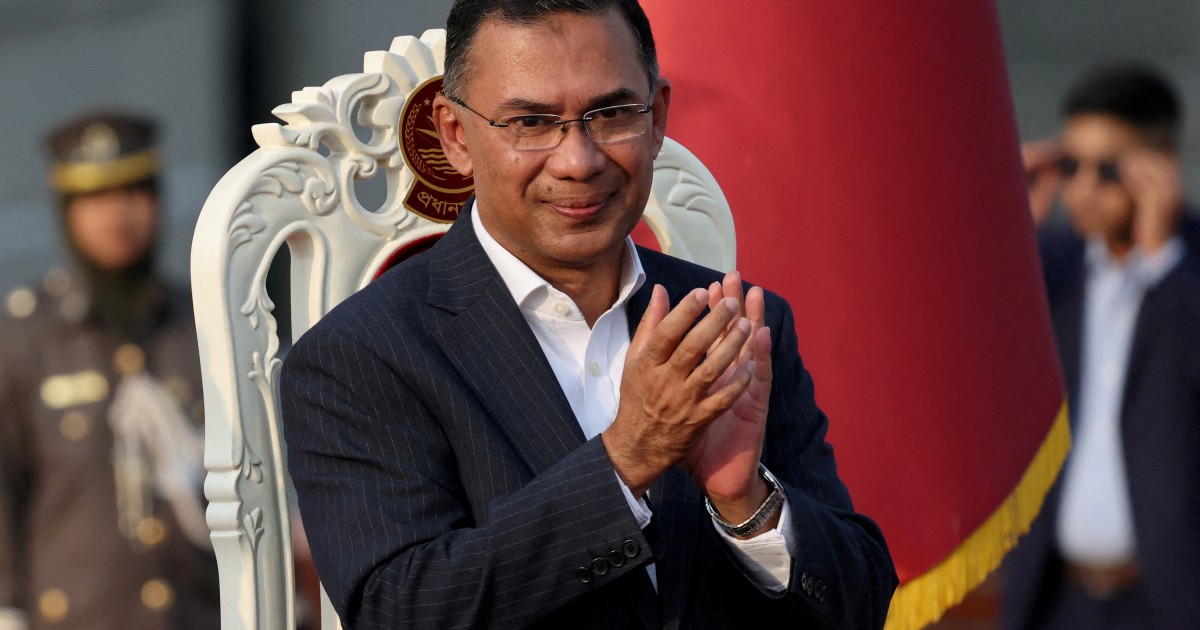
Bangladesh has set a significant diplomatic condition on ties with India, declaring that Prime Minister Tarique Rahman will not travel to New Delhi until the Indian government extradites Sheikh Hasina, the former Bangladeshi leader who fled the country during the turbulent uprising of 2024. The statement, issued on Sunday, marks a hardening of Dhaka's stance toward its largest neighbour and signals deep frustration with India's apparent unwillingness to surrender Hasina despite mounting pressure from the transitional government in Bangladesh.
The demand reflects the gravity that Bangladesh's interim administration attaches to bringing Hasina to face justice domestically. Since the political turmoil that unseated her government last year, the former prime minister has remained in India, where she initially sought asylum. Her continued presence there has become a flashpoint in relations between the two South Asian neighbours, with Dhaka viewing her safety in India as tacit support for a leader many Bangladeshis hold responsible for widespread violence and institutional failings. The refusal to permit a high-level visit underscores how the extradition issue now dominates bilateral conversations, overshadowing other areas of cooperation.
India and Bangladesh maintain complex and multifaceted ties encompassing trade, defence, water-sharing agreements, and regional security arrangements. The two nations share the largest maritime border in South Asia and have significant economic interdependencies. Border stability, counterterrorism cooperation, and management of shared rivers remain critical to both governments' strategic interests. However, the Hasina question threatens to introduce friction into these carefully calibrated relationships, particularly as Bangladesh's new administration seeks legitimacy by demonstrating its commitment to accountability for past governance failures.
Sheikh Hasina led Bangladesh for most of the period from 2009 to 2024, serving two separate terms as prime minister. Her tenure was marked by accusations of authoritarianism, extrajudicial killings, and the suppression of political opposition, though her supporters credit her with economic development and infrastructure projects. The 2024 uprising that forced her from power gained momentum through mass demonstrations that transcended typical political divides, suggesting widespread dissatisfaction with her leadership style and governance record. Her departure to India rather than facing domestic institutions has allowed her to avoid immediate accountability while simultaneously becoming a symbol of unresolved justice issues.
Bangladesh's transitional government, led by interim Chief Adviser Muhammad Yunus and working through structures that now include Prime Minister Tarique Rahman, has made accountability for past wrongdoings a cornerstone of its legitimacy narrative. The administration faces pressure from civil society and protest movements that propelled it to power to deliver concrete results in holding former officials accountable. Hasina's extradition would represent a tangible victory in this regard and would demonstrate the new government's capacity to enforce accountability across borders.
India's position on the extradition request has remained ambiguous, neither explicitly refusing nor granting the request. New Delhi's hesitation likely stems from multiple considerations: the precedent such an extradition would set for handling former leaders who flee to India; historical ties between the Indian political establishment and Hasina, who was viewed favourably by elements within India's ruling circles; and broader concerns about maintaining stable relations with Bangladesh despite domestic pressures. Additionally, India may harbour reservations about creating precedents that could complicate handling of its own political fugitives in friendly nations.
The conditioning of a prime ministerial visit represents an unusual diplomatic tactic in the modern era, signalling that Bangladesh is prepared to accept significant costs to bilateral relations if its core demand remains unmet. Such high-level visits typically serve multiple purposes: ceremonial affirmation of ties, substantive negotiation on shared challenges, and symbolic gestures toward populations in both countries. By making Hasina's extradition a prerequisite, Bangladesh signals that this matter transcends normal diplomatic compromise and occupies fundamental space in how the new administration views justice and accountability.
For Malaysia and other Southeast Asian nations with interests in regional stability, this development carries implications worth monitoring. Bangladesh's new government is still consolidating its authority and establishing its foreign policy direction. The hardening of its stance toward India on the Hasina issue may indicate how the interim administration intends to manage other bilateral disputes, whether with India or neighbouring countries. It also reflects the degree to which domestic legitimacy concerns are shaping Bangladesh's external relationships, a pattern that could influence broader regional dynamics.
The extradition standoff also highlights the complications arising from political upheavals in South Asia, where ousted leaders frequently seek refuge in neighbouring countries with which they have historical connections. Without clear regional frameworks for managing such situations, disputes over asylum and extradition can fester and corrode otherwise important bilateral relationships. Bangladesh's ultimatum essentially forces India to choose between maintaining harmonious relations with its neighbour and honouring what New Delhi may view as its humanitarian obligations toward a displaced former leader.
As tensions persist, both governments face pressure to seek resolution, whether through formal extradition proceedings, negotiated settlements, or other diplomatic arrangements. The success or failure of Bangladesh's hardline approach will likely shape how the interim government handles other contentious foreign policy issues going forward, establishing patterns that New Delhi and other regional actors will carefully observe for implications beyond the immediate crisis.

