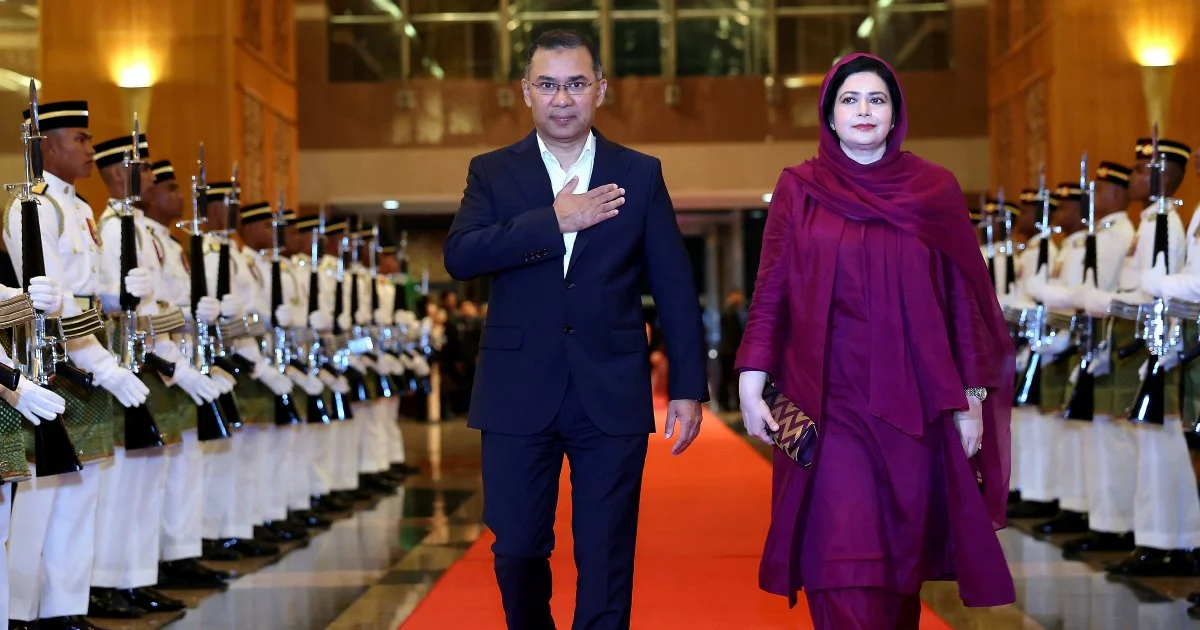
Bangladesh Prime Minister Tarique Rahman has extended a formal invitation to Malaysian companies to consider the nation as a destination for expanding their regional operations, emphasising the country's increasingly favourable regulatory landscape and diverse sectoral possibilities.
The overture represents part of a broader strategic initiative by Bangladesh to attract foreign direct investment from established Southeast Asian economies. Malaysia, with its developed financial sector and multinational corporate presence, represents a natural source of capital and business expertise that Bangladeshi policymakers believe can accelerate industrial development and technology transfer within the nation.
Rahman's appeal arrives as Bangladesh seeks to diversify its investor base beyond traditional sources and strengthen economic ties with neighbouring regional powers. The timing reflects broader geopolitical and economic recalibration across South and Southeast Asia, where countries increasingly view cross-border investment partnerships as crucial for sustained growth.
Bangladesh's business environment has undergone significant structural improvements over the past several years. Government initiatives have focused on streamlining regulatory approval processes, reducing bureaucratic friction, and implementing digital systems to facilitate commercial transactions. These administrative reforms are intended to position the nation as a more competitive alternative to other South and Southeast Asian destinations seeking foreign capital.
For Malaysian investors, Bangladesh presents several compelling attractions. The nation's population exceeds 170 million, creating substantial domestic market opportunities across consumer goods, services, and manufacturing sectors. Labour costs remain considerably lower than Malaysia's, offering cost advantages for manufacturing and business process outsourcing operations. Additionally, Bangladesh's geographic position provides convenient access to South Asian markets, positioning it as a potential regional hub for companies seeking to expand throughout the subcontinent.
The garment and textile industries traditionally dominate Bangladesh's export landscape, but economic diversification efforts have created openings in emerging sectors. Technology, renewable energy, pharmaceuticals, and financial services represent growth areas where Malaysian expertise and investment could generate mutual benefits. The nation has also invested substantially in developing special economic zones designed specifically to attract foreign manufacturers and investors with preferential tax treatment and streamlined infrastructure.
Malaysia's historically significant diaspora communities and established business networks in Bangladesh create existing foundations upon which deeper economic relationships can be built. Malaysian companies already operating throughout the region possess operational knowledge and cultural familiarity that reduces entry barriers and investment risks compared to entirely new market entrants.
The invitation from Rahman also signals Bangladesh's confidence in its macroeconomic trajectory despite recent challenges. The nation has navigated global supply chain disruptions and inflationary pressures that affected many developing economies, though growth rates have moderated from the double-digit expansion achieved in prior years. Policymakers remain committed to achieving middle-income status and believe attracting quality foreign investment represents a critical pathway toward that objective.
Geopolitical considerations underpin this diplomatic economic outreach as well. Bangladesh maintains strategic interests in strengthening ties with Southeast Asian nations as it navigates complex regional dynamics involving larger powers. Enhanced trade and investment relationships with Malaysia contribute to these broader foreign policy objectives whilst generating tangible economic benefits.
Malaysian investors evaluating Bangladesh opportunities should recognise both the substantial potential and practical challenges inherent in emerging market investment. Infrastructure quality, intellectual property protection, and regulatory predictability vary across sectors and regions within the nation. Successful investors will typically engage local partners, conduct thorough due diligence, and maintain flexibility in adapting business models to local conditions.
Government-to-government dialogue on investment frameworks appears to be strengthening. Both nations share interests in deepening commercial linkages, and both governments possess incentive structures encouraging regulatory alignment and dispute resolution mechanisms that facilitate investor confidence.
The broader significance of Rahman's appeal extends beyond immediate capital flows. It reflects Bangladesh's determination to position itself as an active participant in regional economic integration rather than a peripheral player. For Malaysia, the invitation presents opportunities for portfolio diversification and regional market expansion that align with many companies' strategic growth objectives.