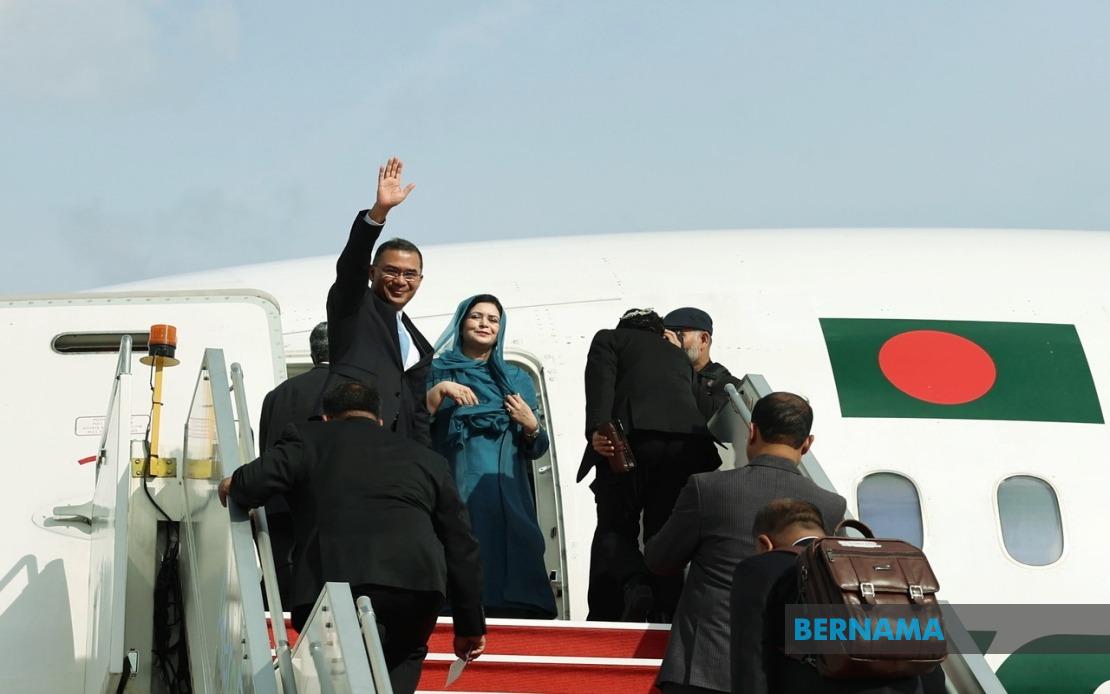
Bangladesh Prime Minister Tarique Rahman departed Malaysia on Sunday evening bound for China, concluding a significant two-day diplomatic mission that underscores deepening ties between Dhaka and Kuala Lumpur. The special aircraft carrying the Bangladeshi leader and his delegation lifted off from Kuala Lumpur International Airport at 5 pm following a formal ceremonial send-off, including a guard of honour from the First Battalion of the Royal Ranger Regiment. Minister in the Prime Minister's Department (Religious Affairs) Dr Zulkifli Hasan represented Malaysia at the departure ceremony, bidding farewell to Tarique, his spouse Dr Zubaida Rahman, and accompanying officials.
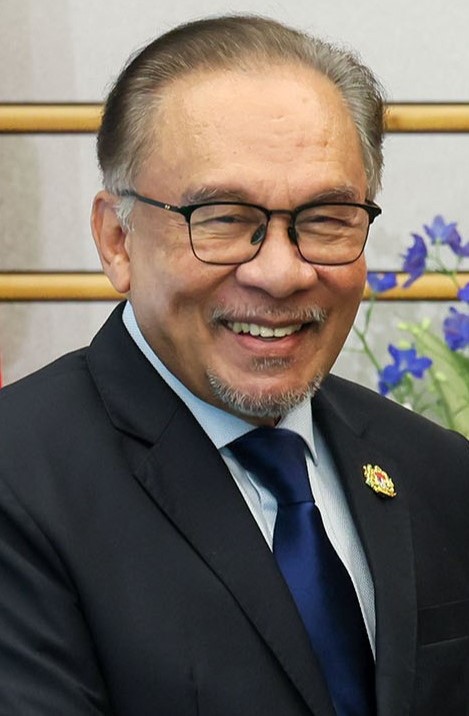
The visit marks Tarique's inaugural bilateral overseas mission since taking office in February 2026, reflecting the strategic importance both nations accord their relationship. During the morning of his departure, he held comprehensive bilateral talks with Prime Minister Datuk Seri Anwar Ibrahim at the Perdana Putra Complex, where the two leaders discussed pressing regional and global challenges demanding coordinated responses. The meeting demonstrated alignment on numerous international questions, from the Middle Eastern situation to approaches toward transnational security threats.
At the heart of the bilateral engagement lay economic dimensions. Both governments identified acceleration of a fast-track free trade agreement as essential to unlocking the commercial potential between their nations. Currently, Malaysia and Bangladesh maintain substantial trade connections; in 2025, bilateral commerce reached RM12.18 billion, positioning Bangladesh as Malaysia's 28th-largest trading partner globally and second-most important partner within South Asia after India. Malaysia exported RM10.08 billion worth of goods to Bangladesh, predominantly petroleum products, while importing RM2.10 billion, primarily textiles, apparel and footwear.
Beyond merchandise trade, the leaders identified semiconductors, energy infrastructure, and agricultural development as priority sectors for expanded cooperation. The halal industry represents a particularly significant growth opportunity, given Bangladesh's substantial Muslim population and Malaysia's established expertise in halal certification and value-chain development. These sectoral initiatives reflect both nations' ambitions to deepen economic integration beyond traditional commodity exchanges.
Several formal instruments emerged from the discussions, crystallising commitments into binding frameworks. The two governments exchanged a Memorandum of Understanding on Cultural Cooperation, establishing mechanisms for enhanced people-to-people engagement through educational partnerships, cultural exchanges, and knowledge-sharing initiatives. Additionally, two Exchanges of Notes were signed addressing Counter-Terrorism Research and Investment Promotion and Facilitation, acknowledging both nations' security interests and desire to attract capital flows.
Bangladesh's regional aspirations featured prominently in discussions. Tarique reiterated his nation's determination to secure ASEAN Sectoral Dialogue Partner status, a designation that would formalise Dhaka's voice in Southeast Asian affairs and strengthen institutional connections. Simultaneously, Bangladesh signalled keen interest in acceding to the Regional Comprehensive Economic Partnership, the massive trade bloc encompassing ASEAN members plus China, Japan, South Korea, Australia, and New Zealand. Malaysia's support for these ambitions could prove instrumental in facilitating Bangladeshi integration into key regional architecture.
On the Rohingya humanitarian crisis, both governments pledged to leverage ASEAN mechanisms to identify lasting solutions to the prolonged displacement of Myanmar's Muslim minority. Malaysia, hosting the world's largest Rohingya refugee population outside camps, faces acute resource pressures. Bangladesh, which shelters nearly a million refugees in Cox's Bazar camps, shares Malaysia's determination to resolve the underlying Myanmar situation through dialogue with Naypyidaw authorities. This shared vulnerability positions both nations as natural partners in pursuing international engagement strategies.
Regional geopolitics and global conflicts also dominated the agenda. Both leaders expressed solidarity with the Palestinian cause and voiced concern regarding the humanitarian catastrophe unfolding in Gaza. They furthermore emphasised the necessity of achieving enduring peace settlements across the Persian Gulf and Iran, reflecting recognition that Middle Eastern instability generates ripple effects affecting Asian economies and security. This convergence on international issues underscores growing alignment between Dhaka and Kuala Lumpur on fundamental principles governing interstate conduct.
Tarique's departure for China immediately following his Malaysia sojourn signals Bangladesh's multidirectional diplomatic posture, juggling relationships with major regional powers and Southeast Asian partners. The sequencing of these visits—Malaysia preceding China—suggests careful calibration of diplomatic messaging, with both countries recognised as pivotal to Bangladesh's development trajectory and regional standing. For Malaysia, hosting a high-profile bilateral visit from a significant South Asian nation demonstrates its continued relevance as a central node in Asian geopolitics.
The visit yields tangible deliverables expanding institutional cooperation frameworks and signalling political commitment to deepening bilateral relations. Yet its broader significance lies in how Bangladesh and Malaysia are repositioning their relationship within evolving regional architecture. As ASEAN contemplates its institutional evolution and as China's Belt and Road Initiative continues reshaping Asian connectivity patterns, the Tarique-Anwar engagement illustrates how traditional bilateral diplomacy remains instrumental in advancing shared interests. For Malaysian policymakers monitoring the regional balance, the visit offers reassurance that Southeast Asia retains convening power among South Asian nations seeking enhanced regional participation.