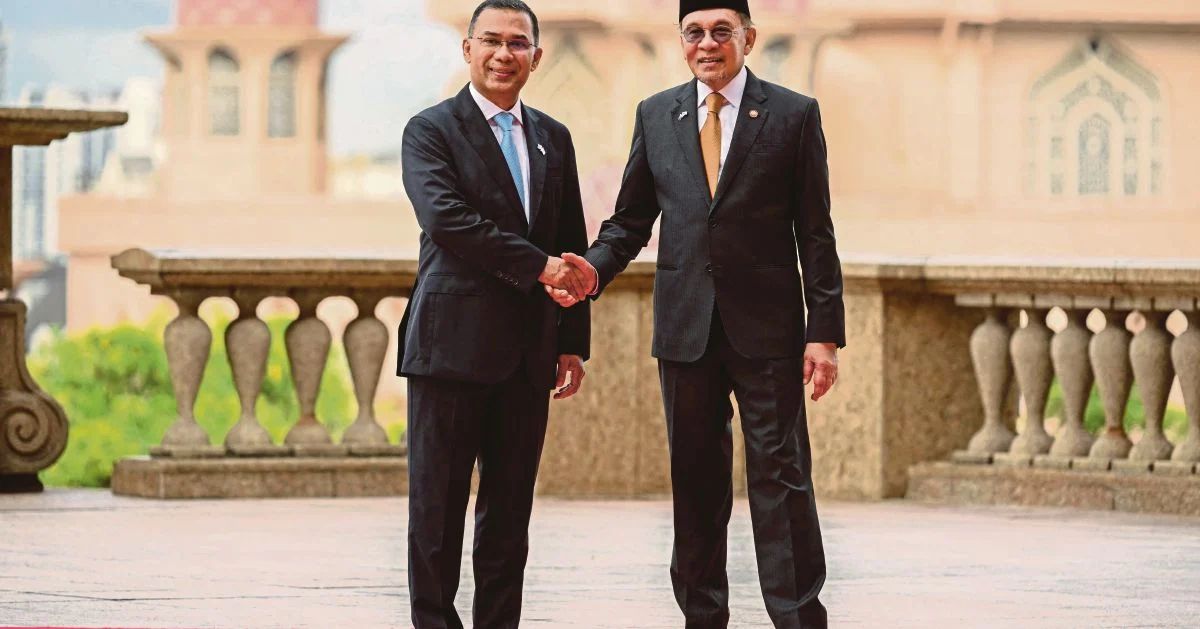
Bangladesh Prime Minister Tarique Rahman wrapped up his maiden state visit to Malaysia on Monday with a firm commitment to intensify cooperation with his Malaysian counterpart Datuk Seri Anwar Ibrahim, marking an important diplomatic milestone for both nations as they look to expand their multifaceted relationship.
Rahman's visit to Kuala Lumpur represents a significant moment in Bangladesh's diplomatic calendar, given that he only took office recently. The timing and emphasis on Malaysia underscores the importance Dhaka places on Southeast Asian engagement and bilateral relations within the region. As a newly elevated leader navigating the complexities of regional geopolitics, Rahman's choice to conduct his first state visit to Malaysia signals a deliberate strategic positioning that reflects Bangladesh's broader foreign policy interests.
The focus on a "multifaceted partnership" encompasses a broad spectrum of areas where Malaysia and Bangladesh see mutual benefit and opportunity. Historically, the two nations have collaborated on matters ranging from trade and investment to defence and security arrangements. Both countries share common interests in maritime security, counterterrorism operations, and the protection of shipping lanes critical to regional commerce. The Bay of Bengal and broader Indian Ocean region remain areas where enhanced cooperation could yield tangible benefits for both nations' strategic interests.
Trade and economic cooperation form a cornerstone of bilateral relations between Kuala Lumpur and Dhaka. Bangladesh's garment and textile industries have long maintained connections with Malaysian firms, while Malaysia's expertise in manufacturing, petrochemicals, and palm oil production opens avenues for technology transfer and joint ventures. Rahman's visit likely involved discussions about facilitating greater commercial linkages and removing barriers to trade that could benefit entrepreneurs on both sides.
People-to-people exchanges constitute another critical dimension of the partnership. Thousands of Bangladeshi workers find employment across Malaysia's plantation, construction, and service sectors, remittances from whom contribute substantially to Bangladesh's economy. Equally, Malaysian tourists and investors have shown increasing interest in Bangladesh's growing markets and infrastructure development projects. Both nations benefit from deepening cultural and educational ties, including student exchange programmes and collaborative research initiatives.
The commitment Rahman expressed toward working closely with Anwar Ibrahim suggests a personalised diplomatic approach that goes beyond routine state-to-state interactions. Prime ministerial-level engagement typically opens doors for substantive discussions on contentious issues and accelerates decision-making on bilateral matters. This personal rapport between the two leaders could facilitate progress on initiatives that might otherwise languish in bureaucratic channels.
Security cooperation remains an understated but increasingly important aspect of the Malaysia-Bangladesh relationship. Both nations face challenges related to maritime piracy, trafficking networks, and transnational organised crime. Intelligence sharing and joint naval exercises strengthen their capacity to address shared security threats. Rahman's visit provided opportunities to discuss enhanced defence partnerships and operational coordination that bolster stability in the Bay of Bengal and surrounding waters.
Bangladesh's ascent as a middle-income nation has coincided with Malaysia's own development trajectory, creating opportunities for mutual learning. Both countries have navigated challenges of rapid urbanisation, infrastructure development, and economic diversification. Technology partnerships in renewable energy, smart city development, and digital infrastructure could position both nations as innovators within the Southeast Asian context and beyond.
The visit also carries significance for Malaysia's regional standing. As Anwar Ibrahim seeks to reposition Malaysia as a centrepiece of Southeast Asian diplomacy and economic integration, deepening ties with important neighbours like Bangladesh reinforces his administration's commitment to strengthening ASEAN partnerships and broader regional architecture. Bangladesh, while not an ASEAN member, maintains crucial influence across the broader Indo-Pacific region and serves as a bridge between South Asia and Southeast Asia.
Rahman's inaugural state visit demonstrates that despite Bangladesh's recent political transitions, the nation remains committed to stable, forward-looking relationships with neighbouring democracies. This continuity in diplomatic engagement provides assurance to Malaysian policymakers and businesses that Bangladesh represents a reliable partner for long-term cooperation. The emphasis on strengthening ties reflects both nations' recognition that regional prosperity and security are interdependent.
Looking ahead, the pledges made during this visit will require concrete follow-up through joint commissions, working groups, and implementation mechanisms. Success will depend on both governments translating diplomatic rhetoric into tangible projects and policies that deliver measurable benefits to their populations. The trajectory of Malaysia-Bangladesh relations in coming months and years will reveal whether this renewed commitment translates into substantive advances across the multifaceted partnership both leaders have endorsed.