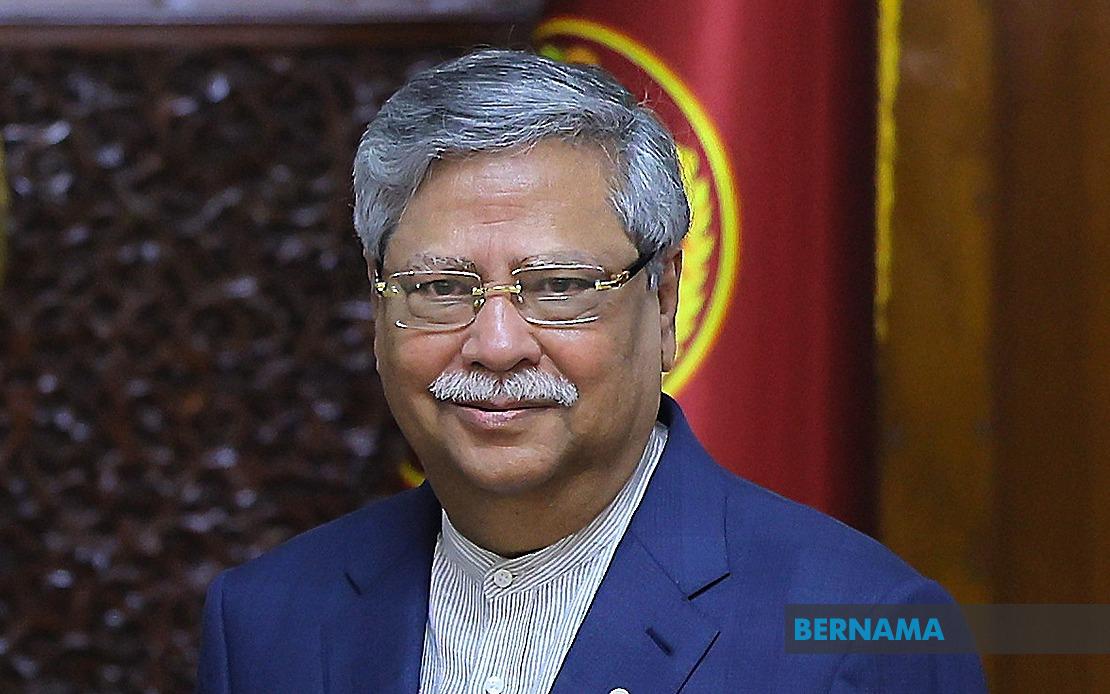
Bangladesh is set to elect a new head of state during its third parliamentary session, which must be convened by mid-September at the latest, according to Law Minister Md Asaduzzaman. The announcement comes after Mohammed Shahabuddin Chuppu stepped down from the presidency citing serious health complications, triggering a constitutional process that will culminate in a fresh election within the coming weeks.
The constitutional framework governing the succession is clear and time-bound. Under Bangladesh's Constitution, a presidential election must take place within 90 days of a sitting president's resignation. With Shahabuddin's resignation letter formally submitted to Speaker Hafiz Uddin Ahmad, parliament has a defined window to complete the electoral process. The second parliamentary session concluded on July 15, and constitutional provisions require that the third session be called no later than September 14—a deadline that conveniently aligns with the timing for the presidential ballot.
Speaker Hafiz Uddin Ahmad has assumed the presidential functions in the interim, discharging all official duties until a successor is formally elected. This constitutional arrangement ensures continuity in governance during the transition period. The Parliament Secretariat formally confirmed this arrangement to media outlets on Friday, noting that the speaker is exercising presidential powers in accordance with constitutional provisions. This interim arrangement reflects Bangladesh's institutional design, where the speaker steps into the presidential role when a vacancy occurs.
Md Sarwar Alam, the president's press secretary, confirmed that Shahabuddin had formally tendered his resignation directly to the speaker, with serious illness cited as the reason for his decision to step down. The resignation marks a significant development in Bangladesh's political landscape, though the circumstances surrounding his health situation have not been elaborated in detail by government spokespersons. The relatively swift announcement of the succession timeline suggests institutional readiness for the transition.
The presidential election mechanism in Bangladesh vests voting authority solely with members of parliament, distinguishing the process from direct popular elections held in many other democracies. This parliamentary-based system means that the composition and political leanings of the legislature directly determine electoral outcomes. The voting will take place during the parliamentary session, with MPs casting ballots to select their preferred candidate for the presidency.
The Bangladesh Nationalist Party (BNP), led by Prime Minister Tarique Rahman, commands a legislative majority that effectively positions the party to determine the presidency. Given this parliamentary dominance, observers expect the BNP to successfully advance its preferred candidate to the presidency, making the outcome largely predictable from a political standpoint. This concentration of political power in the ruling coalition means the election, while formally competitive, will likely reflect the existing balance of forces within the legislature.
The presidential election carries particular significance for Bangladesh's institutional balance. While the prime minister holds executive authority in the parliamentary system, the presidency carries ceremonial and constitutional weight. The election outcome will shape the symbolic leadership and constitutional representation of the nation for the coming years. The BNP's ability to install its preferred candidate would strengthen its institutional grip across both the executive and ceremonial branches of government.
From a Southeast Asian perspective, Bangladesh's constitutional handling of presidential succession demonstrates institutional resilience. The clear legal framework and defined timeline for elections reflect the country's commitment to orderly transfers of power and constitutional governance. Unlike scenarios where sudden vacancies create prolonged uncertainty, Bangladesh's mechanism ensures swift resolution within a predetermined constitutional framework. This institutional predictability contrasts with political crises in some regional counterparts.
The timing of the September session will require parliament to balance the presidential election with other pending legislative business. The interim period between now and mid-September allows for whatever procedural preparations may be necessary, whether in terms of nomination processes or campaign activities. The compressed timeline means the parliamentary session will likely address the presidency as a priority item on its agenda.
The succession also occurs against the backdrop of Bangladesh's broader political environment. The BNP-led government has consolidated considerable authority following recent political developments, and this presidential election represents another institutional milestone in its consolidation. How the incoming president engages with the prime minister's administration and whether the presidency becomes a largely ceremonial role or exerts independent constitutional influence remains to be observed in the months ahead.

