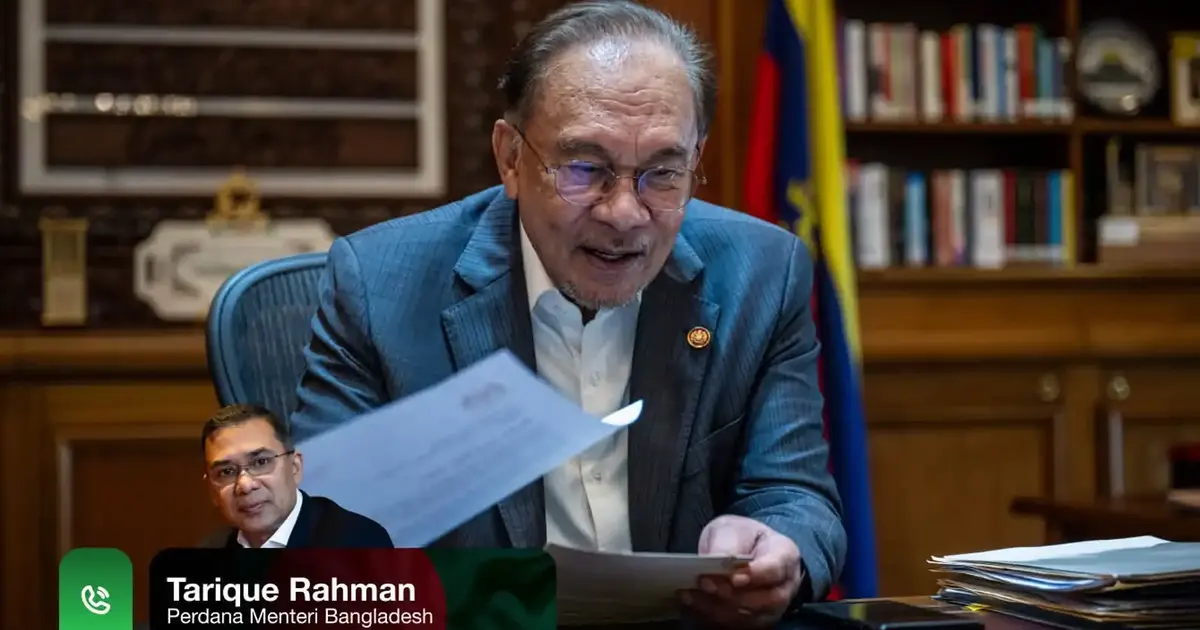
Bangladesh has formally approached Malaysia for assistance in addressing a pressing energy shortage through liquefied natural gas imports, according to Prime Minister Anwar Ibrahim. The request represents a significant diplomatic overture from Dhaka, which is struggling to meet its growing energy demands amid supply constraints that have begun affecting the nation's industrial and household sectors. Anwar confirmed that Bangladesh Prime Minister Tarique Rahman raised the matter during a telephone conversation conducted today, underscoring the urgency with which Dhaka views the situation.
The LNG supply crunch facing Bangladesh reflects broader energy challenges confronting South Asian economies as they navigate volatile global markets and compete for limited export volumes. Bangladesh, which relies heavily on natural gas for electricity generation and industrial applications, has found itself in an increasingly difficult position as domestic production has declined while demand continues to climb. The country's energy infrastructure, though historically dependent on domestic reserves from the Bay of Bengal, has faced depletion pressures that necessitate growing reliance on international procurement.
Malaysia's potential role in alleviating Bangladesh's energy woes carries particular significance given the regional context. As a major LNG producer and exporter with established global supply chains, Malaysia possesses both the infrastructure and commercial relationships necessary to redirect portions of its output or facilitate access to alternative suppliers. The country's Petronas, among the world's largest LNG producers, operates multiple liquefaction facilities and maintains long-term contracts with buyers across Asia, Europe, and beyond. This positioning makes Malaysia a logical partner for Bangladesh to approach during periods of supply stress.
The timing of Bangladesh's request coincides with a period of heightened energy competition across Asia, where developing economies are increasingly outbidding one another for limited LNG cargoes on the spot market. This competition has driven prices to levels that strain government budgets and corporate procurement capabilities, creating pressures on both Bangladesh's fiscal resources and industrial competitiveness. Smaller South Asian economies face particular disadvantage when seeking spot market purchases, as wealthier nations and established industrial players command preferential access through long-term contracts.
For Malaysia, the request presents both an opportunity and a consideration. Strengthening energy partnerships with neighbouring ASEAN members and larger South Asian economies aligns with Malaysia's strategic interests in the region, fostering goodwill and deepening bilateral ties. However, Malaysia must balance such requests against its own domestic energy needs and existing contractual commitments to established customers in Japan, South Korea, China, and Europe. The constraints on Malaysia's spare LNG capacity suggest that any assistance would likely take forms beyond direct supply redirection.
Possible mechanisms through which Malaysia could assist include facilitating connections to alternative suppliers, leveraging its commercial relationships to help Bangladesh secure additional spot market purchases, or potentially negotiating on behalf of Bangladesh with global suppliers. Malaysia might also explore opportunities for Bangladesh to participate in regional energy cooperation frameworks that could provide longer-term security beyond immediate crisis responses. Such arrangements could involve coordinated procurement strategies among ASEAN members or joint negotiating positions with global LNG exporters.
The energy crisis facing Bangladesh has broader implications for regional stability and development trajectories. Without adequate energy supplies, industrial production capacity stagnates, export competitiveness erodes, and manufacturing sectors struggle to retain international investment. Bangladesh's garment industry, pharmaceutical manufacturing, and emerging technology sectors all depend critically on reliable electricity and natural gas availability. The bottleneck created by supply shortages thus threatens not only Bangladesh's economic growth prospects but also the livelihoods of millions employed in these sectors.
From a Malaysian perspective, Bangladesh's overture reflects changing regional dynamics within South Asia and Southeast Asia. As ASEAN seeks to deepen economic integration and strengthen ties with major neighbours including Bangladesh, energy cooperation represents a natural avenue for collaboration. Malaysia's willingness to engage with such requests demonstrates its positioning as a responsible regional economic actor and potential anchor for broader South Asian engagement. This diplomatic outreach complements Malaysia's broader foreign policy objectives of fostering stable, prosperous neighbours.
The conversation between Anwar and Rahman indicates ongoing high-level communication between the two countries, suggesting that resolving energy issues extends beyond technical commercial negotiations to political priority. This elevation of the matter reflects the severity of Bangladesh's supply situation and the importance attached to it by senior leadership. How Malaysia responds will likely influence both bilateral relations and regional perceptions of Malaysia's role in addressing cross-border development challenges within South and Southeast Asia.
As global energy markets remain volatile and climate transition imperatives reshape supply patterns, Bangladesh's situation exemplifies challenges facing developing economies in securing reliable, affordable energy. Malaysia's response to this request will test regional solidarity while demonstrating the practical limits and possibilities of energy cooperation among Asian nations. The outcome may establish precedents for how major energy producers engage with neighbours facing similar crises, shaping the architecture of regional energy security for years to come.

