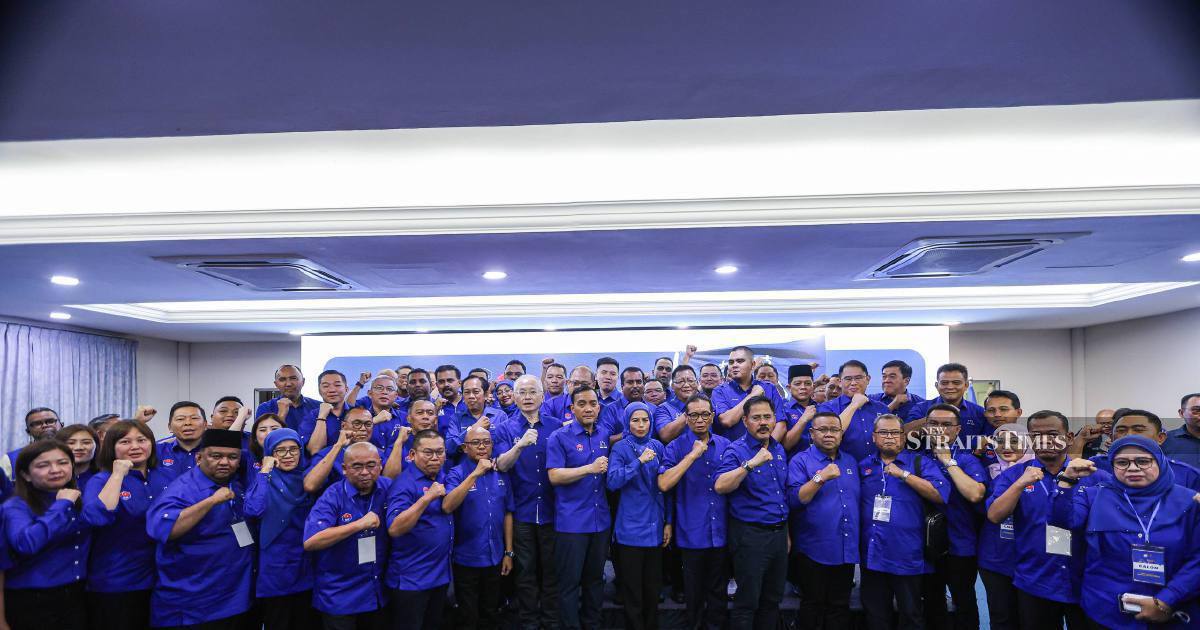
The Barisan Nasional coalition has formally introduced its complete roster of 56 candidates who will contest across Johor's state assembly constituencies in the election scheduled for July 11. The announcement represents a crucial juncture in the campaign preparations for the governing coalition, which has historically dominated the southern state through multiple election cycles. The full lineup, unveiled in Johor Baru, signals BN's determination to maintain its electoral stronghold in a state that has proven vital to the coalition's overall performance in national politics.
Johor holds particular strategic significance within Malaysia's political landscape. As the second-largest state by population and a consistent contributor to BN's parliamentary majority, the outcome of this election will reverberate beyond state boundaries and influence the broader political dynamics affecting federal governance. The state's electoral results traditionally provide early indicators of public sentiment regarding the ruling coalition, making the July 11 poll a barometer for assessing BN's current standing among Malaysian voters across different demographics and regions.
The decision to field a complete slate across all contested constituencies underscores BN's confidence in its ground machinery and organizational capacity. The coalition has allocated considerable resources to the Johor campaign, recognizing that any significant losses in this traditional stronghold could have cascading effects on its political narrative and internal coalition dynamics among its three principal component parties—UMNO, MCA, and MIC. The strategic placement of candidates reflects careful consideration of demographic composition, incumbent performance records, and localized political considerations unique to each constituency.
For Malaysian voters closely monitoring state-level politics, this election represents an opportunity to evaluate BN's performance in governance and delivery of promises made during previous electoral cycles. The campaign period will likely highlight infrastructure development, economic management, and social welfare initiatives undertaken during the previous BN-led state government's tenure. Questions regarding service delivery standards, particularly in urban areas like Johor Baru and Seberang Jaya, as well as developmental priorities in rural constituencies, will feature prominently in electoral discourse.
The candidate lineup also reflects generational transitions within the coalition's political structure. Observers have noted that BN's selection process in recent years has attempted to balance retaining experienced office-holders with introducing new political talent capable of engaging younger voters and addressing contemporary policy concerns. The composition of this slate will be scrutinized for evidence of whether the coalition has successfully refreshed its bench strength or whether it has remained predominantly reliant on established political figures.
Johor's electoral landscape has undergone incremental shifts in recent years despite BN's consistent dominance. The emergence of stronger opposition presence in certain urban and semi-urban constituencies has challenged what was once considered a completely safe political territory. The 2023 federal election results demonstrated that even traditional BN strongholds are not entirely impervious to shifts in voter preference, particularly among first-time voters and urban professionals. This context makes the competition for individual constituencies more contested than historical patterns might suggest.
The coalition faces particular scrutiny regarding its ability to address contemporary voter concerns including rising cost of living, employment opportunities for graduates, and quality of public services. BN's campaign messaging will need to convincingly articulate how its state-level governance has contributed to addressing these issues and what further initiatives are planned for the coming term. Economic performance metrics and employment generation records will feature prominently in comparative assessments between BN and opposition alternatives.
Regional observers have noted that Johor elections often attract interest from other Southeast Asian political analysts given the state's geographical proximity to Singapore and the state's role in regional economic integration. A decisive BN victory would reinforce stability in Malaysia's southern region, while any unexpected results could prompt broader regional reassessments regarding Malaysia's internal political dynamics and their potential implications for bilateral relations and economic cooperation frameworks.
The campaign period leading up to July 11 will determine voter engagement levels and the salience of various policy issues in determining electoral outcomes. BN's organizational capacity to mobilize supporters, combined with opposition parties' ability to present compelling alternative visions for state governance, will shape the competitive intensity of the election. Media coverage, social media discourse, and traditional grassroots campaigning will all contribute to shaping voter perceptions and final electoral decisions across Johor's constituencies.