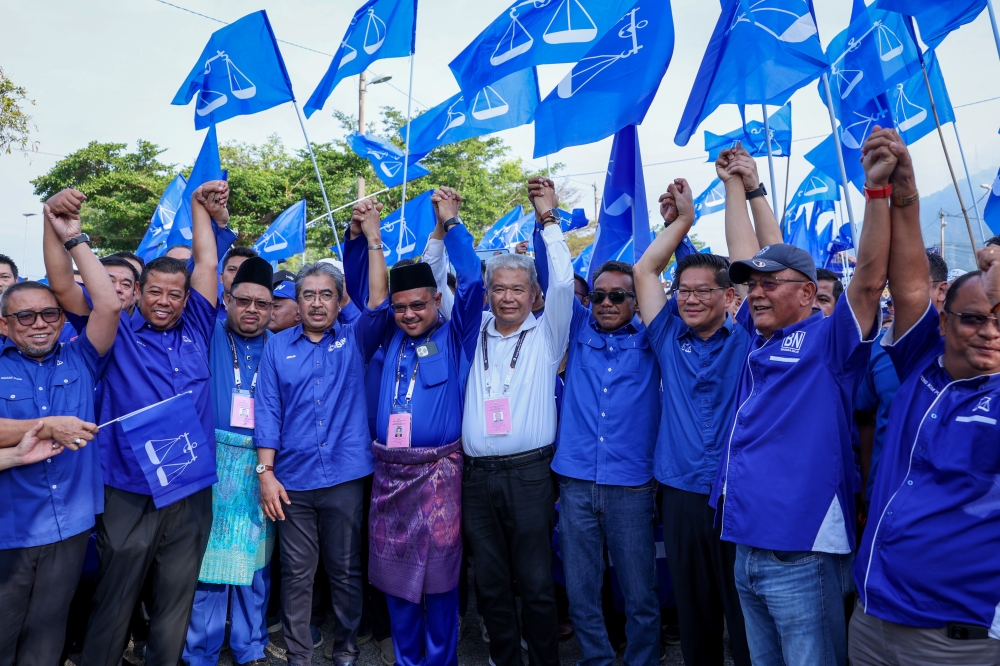
Barisan Nasional has committed to conducting a respectful and principled campaign throughout the Negeri Sembilan state election, according to the coalition's senior leadership. The pledge came as the multiracial political alliance prepares for a challenging electoral contest in a state where its traditional dominance has been increasingly contested. This commitment to civility reflects broader efforts within the coalition to rebrand itself and address widespread voter concerns about political conduct and institutional integrity.
The assurance originated from Umno's deputy president, who reiterated during campaign activities in Tampin that the coalition would maintain ethical standards throughout the electoral process. This public declaration carries particular weight given Malaysia's recent political history, marked by heated campaigns and allegations of improper conduct by various parties. By frontloading a commitment to civil discourse, Barisan Nasional appears to be attempting to differentiate itself on moral grounds and appeal to voters increasingly fatigued by acrimonious political messaging.
Negeri Sembilan represents significant electoral terrain for the ruling coalition, which has governed the state throughout most of Malaysia's independence but faces mounting pressure from opposition forces and independent candidates. Recent demographic shifts and changing voter preferences have transformed the state into a more competitive battleground. For Barisan Nasional, demonstrating political maturity and ethical standards could prove decisive in persuading swing voters and retaining its traditional supporter base, many of whom have expressed dissatisfaction with the direction of national politics.
The emphasis on campaign conduct also speaks to broader Malaysian concerns about election management and political behaviour. Citizens across the country have grown increasingly critical of negative campaigning, personal attacks, and polarising rhetoric that characterise contemporary electoral contests. By positioning itself as the champion of respectful political engagement, Barisan Nasional hopes to capture the segment of moderate voters who prioritise institutional stability and decorous political discourse over ideological positioning.
Within the context of Umno's internal recovery efforts following years of organisational challenges and leadership transitions, this messaging serves multiple strategic purposes. The deputy president's statements reinforce the party's efforts to rehabilitate its public image and present itself as a responsible custodian of Malaysia's democratic institutions. This approach acknowledges that electoral victory achieved through questionable means may prove pyrrhic, particularly if it further alienates reform-minded voters and reinforces perceptions of institutional decay.
Negeri Sembilan's particular electoral dynamics also inform this strategic choice. The state has a diverse population spread across multiple constituencies with varying demographic compositions and political leanings. Urban areas, in particular, have demonstrated receptiveness to opposition messaging and alternative political platforms. A civilised campaign approach could resonate more effectively in these constituencies than aggressive tactics that have characterised some previous elections across Malaysia.
The coalition's public pledge on campaign conduct additionally provides a baseline against which its actual campaign activities will be measured by observers, media organisations, and civil society watchdogs. This creates accountability mechanisms that extend beyond merely winning votes—the coalition's credibility on governance and institutional values will partly depend on whether its campaign conduct aligns with its stated principles. Failure to maintain standards could undermine the very narrative it is attempting to establish.
From a regional perspective, Malaysia's electoral contests increasingly draw attention from neighbouring countries and international observers concerned about democratic standards in Southeast Asia. A commitment to civil campaigning in Negeri Sembilan contributes to Malaysia's broader international reputation as a functioning democracy with competitive elections. Conversely, campaigns marred by misconduct or excessive negativity risk reinforcing narratives about democratic backsliding that could complicate Malaysia's diplomatic relationships and regional standing.
The timing of this campaign commitment also reflects strategic considerations around voter mobilisation. Rather than attempting to energise supporters through divisive rhetoric or identity-based appeals, Barisan Nasional appears to be betting that uniting voters around shared values of respect and institutional propriety could prove more effective. This approach potentially expands the coalition's appeal beyond its traditional constituencies while maintaining sufficient party discipline to prevent internal fracturing during the campaign period.
For Malaysian observers monitoring democratic health and electoral standards, the Negeri Sembilan campaign will serve as an important test case for whether major political formations can sustain principled approaches to campaigning even when electoral stakes run high. The coalition's follow-through on its stated commitment to civility will likely influence how other political actors approach future campaigns and whether there is genuine appetite among Malaysia's political establishment for elevating standards of public political discourse across the nation.

