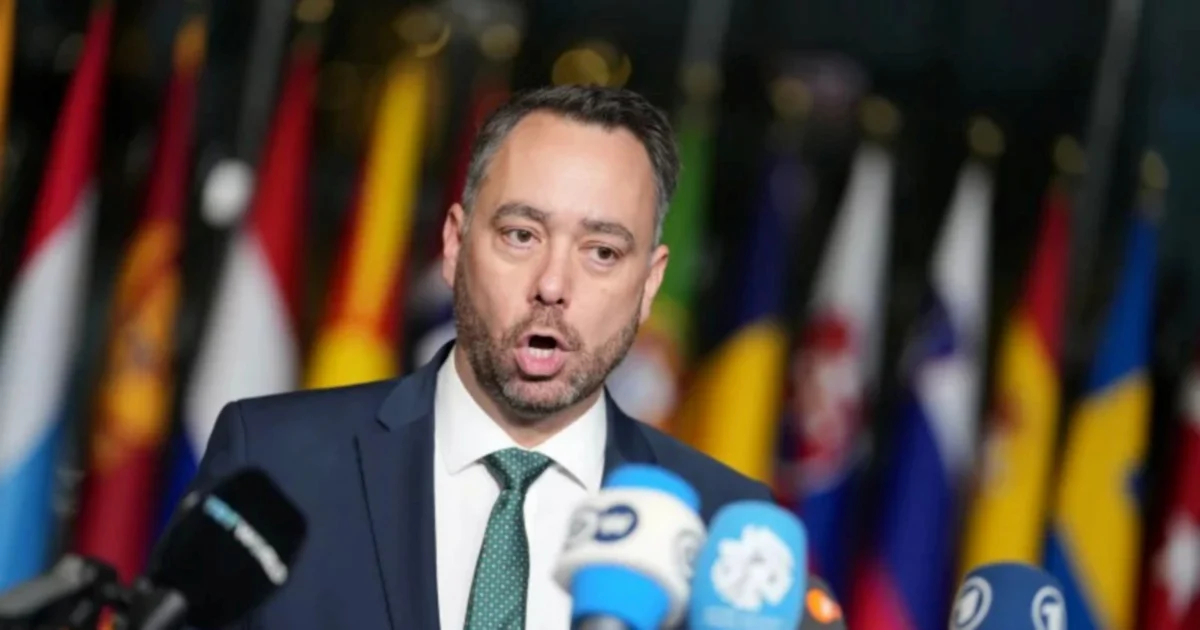
Belgium's Deputy Prime Minister and Minister for Foreign, European Affairs and Development Cooperation Maxime Prevot will arrive in Malaysia tomorrow for a two-day working visit aimed at strengthening ties between the European nation and Southeast Asia's largest economy. The high-level delegation signals growing European interest in deepening partnerships with Malaysia across strategic sectors, particularly clean energy transition and critical mineral supplies.
The timing of Prevot's visit underscores Belgium's alignment with Malaysia's broader renewable energy ambitions. As Europe accelerates its green transition under the European Green Deal, securing reliable sources of clean energy technology and critical minerals has become a foreign policy priority. Malaysia, positioned as a regional manufacturing hub and possessing significant rare earth processing capabilities, represents a natural partner in this endeavour.
Renewable energy cooperation will form the centrepiece of discussions. Malaysia has committed to achieving net-zero emissions by 2050 and has been progressively expanding its solar and wind capacity. Belgium, with its advanced expertise in sustainable technology and grid modernisation, can contribute valuable knowledge and partnerships. Such collaboration could accelerate Malaysia's transition away from coal dependence, particularly given that fossil fuels still dominate the country's electricity generation mix despite growing renewable installations.
The rare earth elements dimension reflects intensifying competition for supply chains critical to manufacturing renewable technology. Rare earths are essential for wind turbines, electric vehicle motors, and advanced batteries. While China dominates global processing, Malaysia has emerged as a secondary hub with established expertise and infrastructure. By developing deeper partnerships with Malaysia, Belgium and the broader European Union can diversify supply sources and reduce dependency on single suppliers, strengthening European industrial resilience.
Malaysia's halal industry, worth billions annually, has become a cornerstone of the country's economic strategy and Islamic finance ecosystem. European companies increasingly recognise halal certification and standards as gateways to Muslim-majority markets across Southeast Asia, the Middle East, and North Africa. Belgium's involvement in halal sector discussions suggests European industrial and food producers are keen to understand certification requirements and market access opportunities. This represents a practical avenue for expanding bilateral trade beyond traditional sectors.
The visit aligns with Malaysia's broader diplomatic strategy of cultivating strategic partnerships beyond traditional partners. Deepening European engagement provides Malaysia with alternative technology sources, investment opportunities, and diplomatic diversification. For Belgium specifically, Malaysia offers an entry point to Southeast Asian markets and the wider ASEAN bloc, enhancing European influence in a region of significant geopolitical importance.
Energy security remains a pressing concern for both parties, though from different angles. Europe faces pressure to secure stable energy supplies while phasing out Russian fossil fuel imports following international tensions. Malaysia, conversely, seeks to balance energy demands from rapid industrialisation and urbanisation with climate commitments. Renewable energy cooperation addresses these shared challenges while positioning both nations as leaders in sustainable development.
Beyond the formal agenda, Prevot's presence reflects Belgium's enhanced diplomatic engagement in Asia-Pacific. As the seat of European Union institutions and NATO headquarters, Belgium carries symbolic weight in European foreign policy. A Belgian minister's visit to Malaysia carries implicit endorsement from broader European structures, signalling potential for wider EU-Malaysia collaboration on trade, investment, and security matters.
The delegation's composition and specific focus areas suggest Belgium is positioning itself as a bridge between European innovation and Southeast Asian markets. Technology transfer, joint ventures in renewable manufacturing, and cooperation on critical mineral processing could generate significant economic returns for both sides. However, such partnerships require aligned regulatory frameworks, intellectual property protections, and long-term commitment beyond the immediate diplomatic engagement.
Malaysia's strategic location along key shipping routes, its role as a regional financial centre, and its established manufacturing sector make it particularly attractive for European businesses seeking Southeast Asian expansion. Renewable energy partnerships could catalyse broader industrial cooperation, creating opportunities across multiple sectors from automotive to electronics manufacturing.
For Malaysian policymakers, the visit underscores the importance of positioning the country as a key player in the global energy transition. By hosting high-level delegations focused on green technology and sustainable development, Malaysia reinforces its credentials as a responsible actor in addressing climate change while simultaneously attracting investment and expertise.
The outcome of these discussions will likely shape bilateral relations for years ahead. Concrete agreements on renewable energy projects, potential joint ventures in rare earth processing, or frameworks for halal industry collaboration could translate diplomatic engagement into tangible economic benefits. Whether Prevot's visit catalyses substantive institutional partnerships or remains primarily symbolic will depend on the specificity of commitments made during the two-day engagement.
These discussions also occur within the context of Malaysia's broader economic diversification efforts and its aspirations to become a global halal hub and renewable energy leader. European partnerships could accelerate progress on both fronts, providing technical expertise, capital flows, and access to innovation networks that remain concentrated in developed nations. The success of this engagement may determine whether Malaysia can meaningfully accelerate its clean energy transition while positioning its halal sector for sustained international growth.

