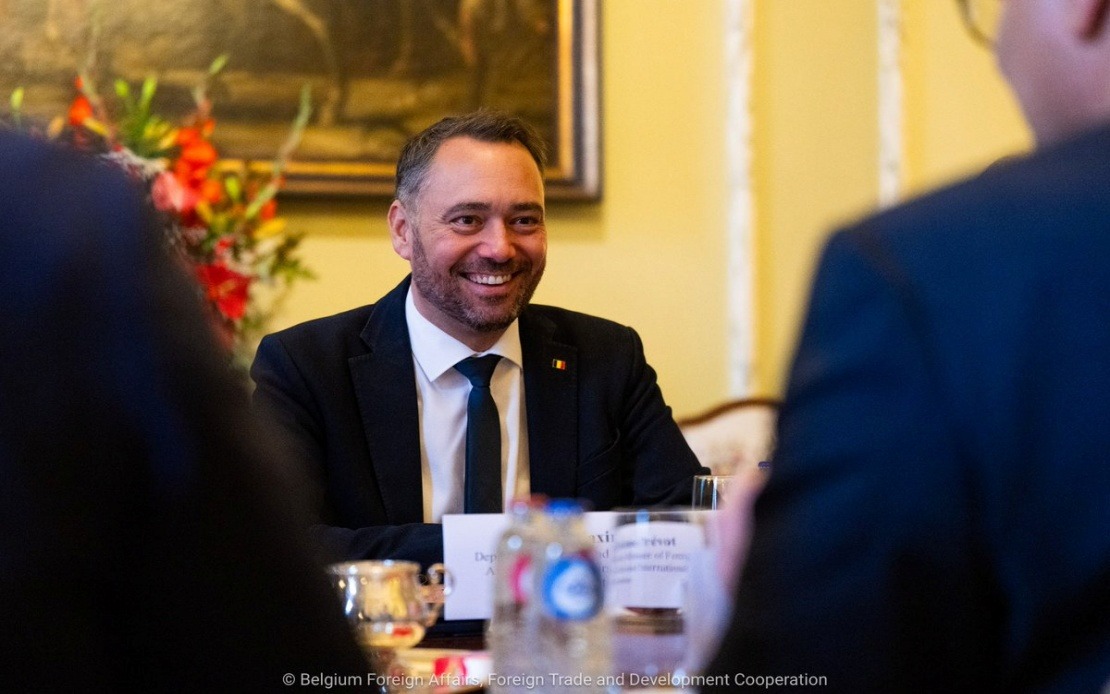
Belgium's Deputy Prime Minister and Foreign Minister Maxime Prévot is set to arrive in Malaysia for a two-day working visit beginning Thursday, signalling strengthening bilateral relations between the two nations as they explore expanded cooperation in strategic sectors. The visit, which will culminate in formal talks with Deputy Prime Minister Datuk Seri Fadillah Yusof, represents Prévot's inaugural visit to Malaysia since assuming his ministerial portfolio in February 2025, underscoring the importance placed on regional engagement by the Belgian government.
At the heart of the discussions will be renewable energy collaboration, a sector of critical importance as both nations navigate the global transition away from fossil fuels. Malaysia, positioned as a Southeast Asian leader in energy transition initiatives, stands to benefit from Belgium's accumulated expertise in wind and solar technologies. Prévot's portfolio encompasses European Affairs and Development Cooperation, positioning him as a key figure in bridging trade and technological partnerships between the European Union and Southeast Asia. The timing of his visit reflects broader European strategic interests in deepening ties with growing Asian economies.
Beyond clean energy, the agenda encompasses rare earth elements, a commodity sector where Malaysia has maintained significant regional influence. As global supply chains diversify away from traditional dependencies, European nations increasingly seek reliable partnerships for accessing these materials, essential for renewable energy infrastructure, electronics manufacturing, and defence applications. Malaysia's established mining and processing capabilities make it an attractive partner for European industrial diversification strategies. Discussions on this front carry implications for Malaysia's mining sector and its positioning within global supply chains.
The halal industry represents another dimension of cooperation with particular resonance for Malaysia's economic development. As Europe's Muslim population continues expanding and consumer demand for halal-certified products grows, Malaysia's expertise and certification standards offer substantial commercial opportunities. Belgian participation in this sector could facilitate market access for Malaysian halal producers throughout the European Union, potentially opening significant revenue streams for local businesses and establishing Malaysia as a trusted standards-setter for European halal commerce.
During his stay, Prévot will address the 39th Asia-Pacific Roundtable, a prestigious forum organised by the Institute of Strategic and International Studies (ISIS) Malaysia that convenes regional policymakers, academics, and thought leaders to debate pressing geopolitical issues. This platform provides an opportunity for the Belgian minister to articulate European perspectives on Indo-Pacific stability, multilateralism, and the rules-based international order. His remarks will likely resonate with Malaysian strategic thinking, particularly regarding ASEAN's role in maintaining regional balance amid great power competition.
Protocol aspects of the visit include scheduled discussions with Deputy Prime Minister Datuk Seri Fadillah Yusof, who holds the Energy Transition and Water Transformation portfolio, positioning him as the natural counterpart for discussions on renewable energy and sustainability frameworks. The bilateral meeting will assess the current trajectory of Malaysia-Belgium relations and chart pathways for expanded cooperation. Beyond official government channels, Prévot is expected to have audience with the Sultan of Perak, Sultan Nazrin Muizzuddin Shah, reflecting diplomatic courtesies and the protocols surrounding high-level foreign visits to Malaysia.
The bilateral economic relationship has demonstrated consistent growth, with trade reaching RM9.74 billion in 2025, reflecting Belgium's role as a significant trading partner. Malaysian exports to Belgium totalled RM6.85 billion while imports amounted to RM2.89 billion, illustrating a trade structure that benefits Malaysia's export-oriented manufacturing sectors. Belgium serves as an important gateway to European markets, and strengthening bilateral relations could facilitate further market penetration for Malaysian products across the EU bloc.
Investment flows underscore deepening economic integration between the two countries. As of 2025, Belgian entities had secured approval for 67 projects representing RM5.1 billion in committed investments and anticipated job creation numbering 4,605 positions. These figures demonstrate substantial European confidence in Malaysia's business environment and regulatory frameworks. Further expansion of Belgian investment could concentrate in renewable energy infrastructure development, advanced manufacturing, and potentially in halal certification and processing facilities that serve regional and global markets.
The visit carries implications extending beyond bilateral relations into Malaysia's broader European strategic engagement. As ASEAN nations navigate increasingly complex relationships with major powers, cultivating strong partnerships with European nations provides valuable strategic flexibility and diverse economic opportunities. Belgium, as an EU member and host to critical EU institutions, offers Malaysia channels for institutional dialogue with the broader European framework. Trade negotiations, regulatory harmonisation, and technological collaboration emerging from this visit could set precedents for enhanced ASEAN-EU cooperation.
For Malaysian stakeholders in renewable energy, rare earth processing, and halal commerce, the visit represents an inflection point for expansion into European markets and partnerships with established Belgian firms. The renewable energy sector, in particular, stands to benefit from technical cooperation and potential joint ventures in grid modernisation, energy storage solutions, and sustainable manufacturing. Government-to-government engagement at this level typically precedes and facilitates private sector collaboration, suggesting that announcements or framework agreements could emerge from the formal discussions.
The convergence of energy transition priorities between Malaysia and Belgium reflects a broader global shift in resource allocation and technological development. Both nations recognise that meeting climate commitments and energy security objectives requires diversified supply chains and resilient partnerships. Malaysia's geographic position, manufacturing capacity, and natural resources complement European technological innovation and market access, creating complementary advantages that both sides can leverage. The discussions on rare earth elements particularly underscore recognition that sustainable economic growth and clean energy transitions are inseparable from securing reliable access to critical materials.

