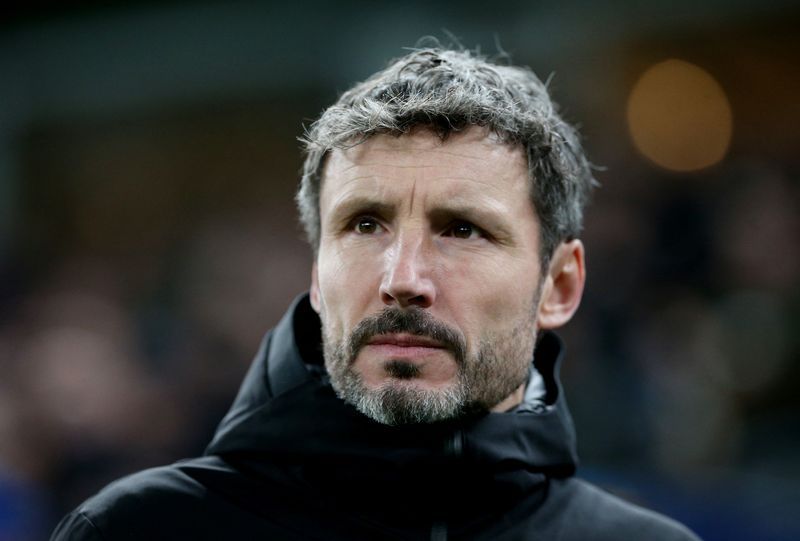
Mark van Bommel has emphatically rejected the idea that he would have preferred to wait for the Netherlands coaching position, insisting that the opportunity to take charge of Belgium was too attractive to pass up. Speaking at his first press conference since his appointment last month, the 49-year-old former international defender made clear his satisfaction with the decision to replace Rudi Garcia in the role, even though the Dutch federation remains on the hunt for a new manager following their World Cup campaign.
The Dutch connection naturally invites speculation about Van Bommel's true preferences, given that he represented his homeland at the highest level and came agonisingly close to World Cup glory in 2010. However, he was adamant in dismissing any suggestion that his native country's vacancy had given him pause. His response was unambiguous: accepting Belgium's offer required no deliberation on his part. The coaching position with a major football nation represents one of the most coveted roles in international sport, and Van Bommel's enthusiasm suggests Belgium's compelling case made any comparison to the Netherlands redundant.
What makes Van Bommel's appointment particularly noteworthy is his extensive pedigree as a player at elite European clubs. His career took him to Barcelona, Bayern Munich, and AC Milan, institutions where winning is not merely an expectation but an obligation. This background has clearly shaped his approach to international management, where he views the opportunity to work with a nation's finest footballing talents as a privilege comparable to the highest club positions. The distinction he draws between club and international football underscores his belief that both environments demand excellence, though the latter carries unique dimensions that appealed to him.
Van Bommel acknowledged that he has received numerous offers over the past two years, yet none had genuinely convinced him until Belgium came calling. This selectivity reflects either fastidiousness about fit and ambition, or perhaps recognition that moving jobs frequently undermines a coach's ability to implement sustained change. The speed at which Belgium moved to secure him—completing negotiations and appointments with impressive swiftness—evidently demonstrated institutional decisiveness that resonated with him. Such efficiency often signals clarity of purpose within a federation, a factor that likely weighed heavily on his decision.
The Belgian national team's recent performance provides genuine grounds for optimism. Reaching the World Cup quarter-finals represents solid progress and indicates a squad capable of competing at the highest level. Garcia's departure after failing to secure contract renewal opens a fresh chapter, and Van Bommel inherits a group that, while perhaps past its absolute peak years, retains considerable quality. The transition from one established coach to another, particularly one with Van Bommel's credentials, need not disrupt the squad's competitive momentum if managed thoughtfully.
Yet Van Bommel is wisely calibrated in his public messaging about objectives. Rather than making grand proclamations about winning the European Championship, he acknowledges the complexity of international football success. His observation that Dutch discourse routinely features confident predictions of World Cup triumph, while mathematically improbable outcomes persist, suggests he understands the gap between aspiration and achievement. This humility is instructive—it indicates a coach unlikely to set impossibly lofty expectations that breed disappointment, while still maintaining winning as his fundamental objective.
The immediate focus for Belgium centres on the Nations League campaign and Van Bommel's competitive debut against Italy in Rome on September 25. This fixture carries symbolic weight, as it represents his first test as Belgium coach and comes against a fellow footballing nation with considerable tradition. The subsequent matches against Turkey and France during the September-October international window will provide crucial early data about squad cohesion, tactical implementation, and competitive readiness under his stewardship. These encounters will substantially influence how his tenure is perceived during its opening phase.
One significant challenge awaiting Van Bommel involves goalkeeper Thibaut Courtois, who signalled his intention to take a break from international football following the World Cup. Rather than dismissing Courtois's stated desire for rest, Van Bommel adopted a measured approach, emphasising the importance of direct conversation before any definitive decisions. His recognition that one discussion insufficient to finalise such matters demonstrates understanding of the complexities surrounding player management at international level. Players carry physical and mental fatigue after demanding club seasons, and respecting such concerns while gently exploring potential reconsiderations through dialogue reflects sophisticated personnel handling.
Van Bommel's strategy regarding Courtois appears designed to keep the door open without pressure or ultimatums. He indicated that once the goalkeeper returns to full training with his club, the coaching staff would engage in substantive talks about his international future. This patient approach contrasts with more confrontational methods some coaches employ, and it suggests Van Bommel values squad harmony and player agency in decision-making. Courtois remains one of Belgium's most important players, and retaining his services would substantially strengthen the team's European Championship prospects, should he choose to continue.
The appointment of Van Bommel represents a strategic choice by the Belgian Football Association to maintain competitive standards during a period of transition. His experience across multiple elite European environments brings proven understanding of championship-level standards and the demands of managing contemporary international football. While the Netherlands' search for a new coach continues, Van Bommel's unambiguous commitment to Belgium suggests a coach entirely focused on the task at hand, without divided loyalties or lingering doubts about his career direction at this crucial moment in his coaching development.

