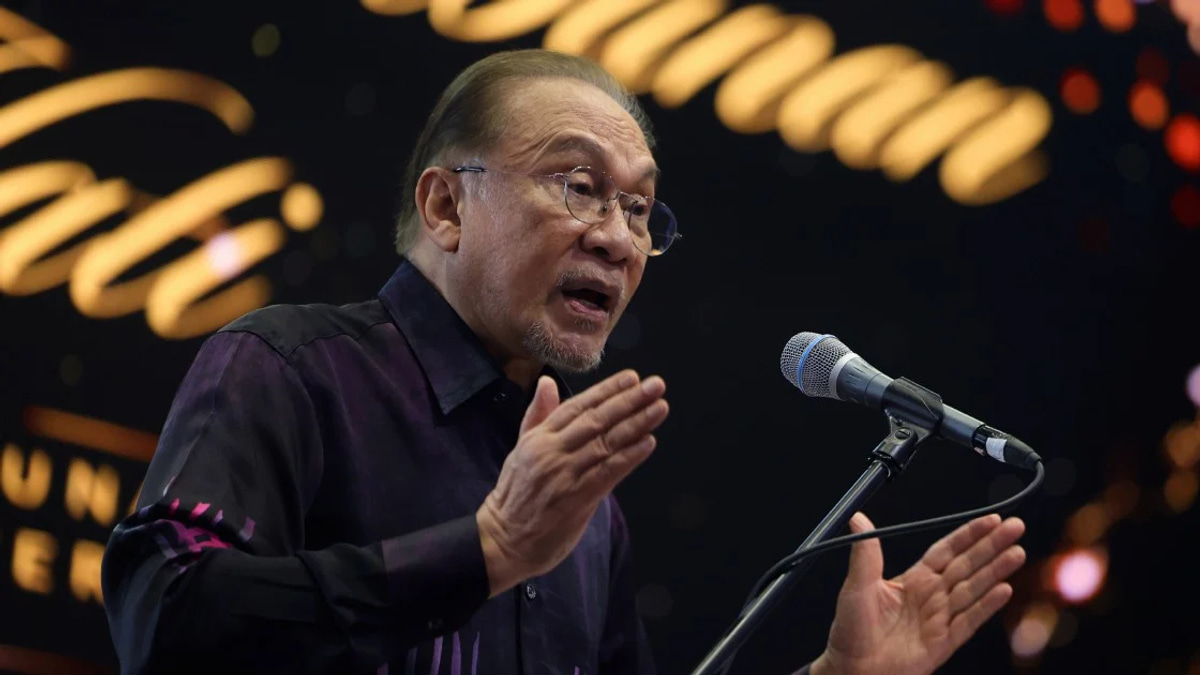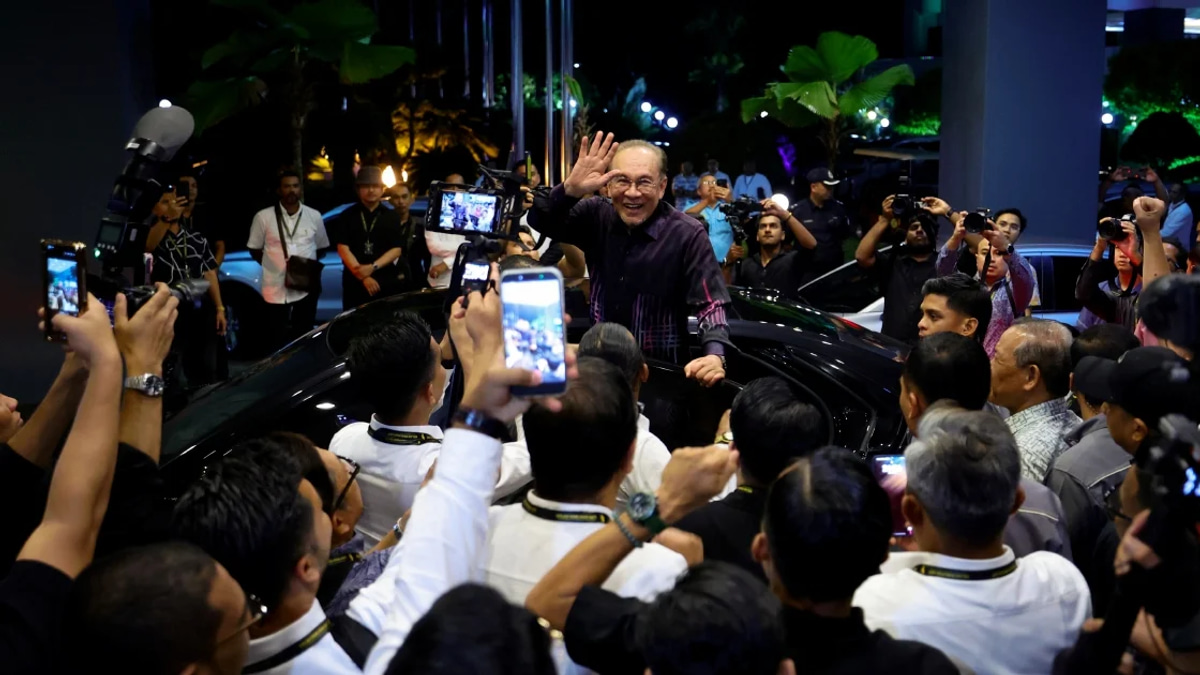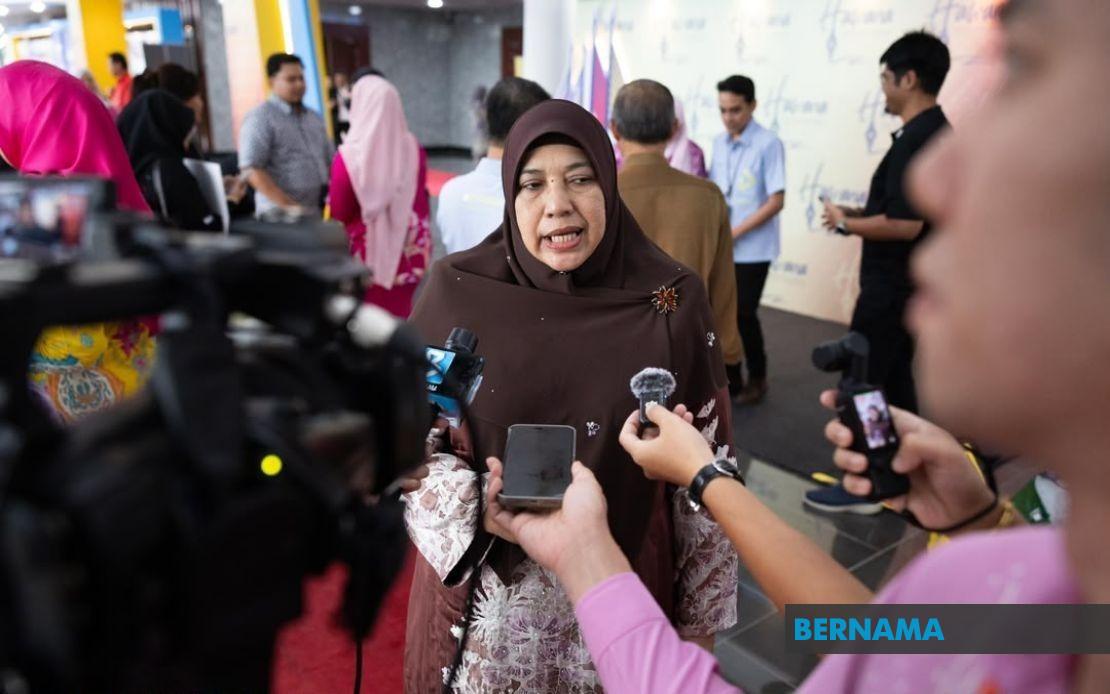
The Malaysian National News Agency (Bernama) has reinforced its credentials as a capable event organizer following the triumphant completion of the National Journalists' Day (HAWANA) 2026 Grand Finale in Butterworth, Penang. The event, which drew approximately 1,000 media practitioners from across Malaysia and neighboring ASEAN nations, underscored Bernama's ability to execute complex, high-profile gatherings entirely through internal resources and expertise. The successful staging of the event—held under the theme "Media Integrity Strengthens Credibility" at the PICCA Convention Centre @ Butterworth Arena—was officiated by Prime Minister Datuk Seri Anwar Ibrahim, with Penang Chief Minister Chow Kon Yeow and Communications Minister Datuk Fahmi Fadzil also in attendance, lending considerable prestige to the proceedings.
The achievement carries particular significance within the Malaysian media landscape, where the capacity to manage large-scale professional gatherings reflects both organizational maturity and technical sophistication. Bernama's chief executive officer, Datin Paduka Nur-ul Afida Kamaludin, emphasized that the agency's staff had coordinated the event entirely through in-house planning and execution, avoiding the need for external contractors or specialized service providers. This approach represented a meaningful cost-efficiency measure while simultaneously validating the technical and logistical capabilities resident within the agency's workforce across various departments and operational levels.
One of the most notable accomplishments of this year's HAWANA celebration involved the production and broadcast of a live event stream generated entirely through Bernama's own infrastructure and personnel. The in-house creative team handled artificial intelligence-assisted video production, while graphic design and layout work were similarly undertaken by internal staff rather than outsourced to specialized agencies. This capability represents a meaningful evolution in Bernama's technical capacity, particularly given the increasing sophistication of modern media production requirements and the growing expectations of professional audiences accustomed to high-definition broadcast standards.
Nur-ul Afida, who chairs the HAWANA 2026 Working Committee, expressed considerable pride in the dedication demonstrated by staff members serving across the various sub-committees that contributed to the event's seamless execution. The coordinated effort across multiple functional areas—from logistics and scheduling to content creation and broadcast management—reflected the kind of institutional cohesion and cross-departmental collaboration that increasingly defines successful event organizations in the region. Her remarks highlighted not merely the completion of a specific event, but rather the cultivation of internal capabilities that position Bernama as an institution capable of managing similar undertakings across multiple cycles.
The enthusiastic response from attending media professionals served as a barometer of HAWANA's standing within Malaysia's journalism community and beyond. The event's success in drawing journalists from other ASEAN countries suggests that the gathering has transcended local relevance to acquire regional significance as a platform for professional exchange and industry networking. Several attendees reportedly enquired about the venue for next year's HAWANA celebration even before the 2026 event concluded, indicating sustained interest and confidence in the annual gathering's continued viability and quality.
Bernama's stewardship of HAWANA represents an ongoing relationship with the Communications Ministry spanning six consecutive years. The agency has served as the implementing authority for the event since its establishment as an annual occasion, accumulating experience in event conceptualization, logistics coordination, and stakeholder management. Nur-ul Afida explicitly signaled the organization's desire to continue in this capacity, framing the question of future responsibility as contingent upon ministerial satisfaction with the planning and organizational standards maintained throughout Bernama's tenure. This framing reflects both confidence in the work accomplished and appropriate deference to the government authority that ultimately determines operational assignments.
The strategic decision to rotate HAWANA's location across different Malaysian states, as referenced by Nur-ul Afida, represents a thoughtful approach to event management that extends benefits beyond the immediate gathering itself. By hosting the annual celebration in different venues across the federation, Bernama creates opportunities for journalists from different regions to congregate in various parts of the country, potentially strengthening professional networks and facilitating greater understanding of regional media landscapes. This rotational approach also distributes the economic benefits of hosting major professional gatherings across multiple state economies, fostering goodwill and demonstrating the centrality of media professionals within Malaysia's broader social and economic fabric.
The successful deployment of artificial intelligence and digital production capabilities during HAWANA 2026 carries implications extending beyond the immediate event. As media organizations across Southeast Asia increasingly incorporate AI-assisted tools into their operations, Bernama's successful in-house implementation provides validation that such technologies can be effectively deployed by regional news agencies without dependence on expensive external consultants or international service providers. This capability potentially positions Bernama as an institutional repository of technical knowledge within Malaysia's media ecosystem, with implications for training, capability development, and the broader digitalization of news production across the region.
The gathering of nearly 1,000 journalists for a multi-day professional event underscores the continuing relevance of in-person convening within the media industry, despite the prevalence of digital communication platforms and remote collaboration tools. The decision to make HAWANA an annual occasion reflects recognition that professional communities require periodic face-to-face interaction for networking, knowledge exchange, and the cultivation of professional solidarity. The attendance of media practitioners from ASEAN countries suggests that such gatherings serve functions transcending national boundaries, contributing to regional professional development and the establishment of cross-border journalistic networks.
Looking forward, Bernama's demonstrated capability in executing HAWANA 2026 establishes a template for subsequent iterations of the event while simultaneously raising the institutional bar for future organizers. The successful execution of an entirely in-house production suggests that future HAWANA celebrations will likely incorporate similar technical sophistication and creative ambition. The agency's confidence in its capability, coupled with ministerial recognition of its performance, creates conditions for Bernama to exercise considerable latitude in shaping the event's future direction, potentially innovating new formats, content approaches, and professional development opportunities for Malaysia's journalism community.
The event's thematic emphasis on media integrity and credibility arrives amid a period of considerable global scrutiny regarding journalistic standards and public trust in news organizations. By situating HAWANA 2026 around these foundational professional values, Bernama signaled that Malaysia's journalism community remains committed to upholding ethical standards and maintaining public confidence. The gathering itself—bringing together practitioners from multiple news organizations and media platforms—implicitly affirmed the collective professional identity of Malaysian journalists and their shared stake in maintaining institutional credibility and ethical practice across an increasingly fragmented media landscape.
Bernama's successful orchestration of HAWANA 2026 carries significance that extends beyond the immediate organizational achievement. The event demonstrates that Malaysian institutions possess the technical sophistication, logistical capability, and human resources necessary to execute large-scale professional gatherings that meet international standards while remaining cost-efficient through in-house resource deployment. For a Southeast Asian news agency competing within a region characterized by rapid technological change and evolving professional standards, such demonstrations of institutional capability become increasingly important in establishing credibility and distinguishing Bernama within a crowded media landscape. The positive reception from attending journalists and continued interest in future HAWANA celebrations suggest that the agency has successfully fulfilled its mandate as both a news organization and a convener of Malaysia's broader journalistic community.