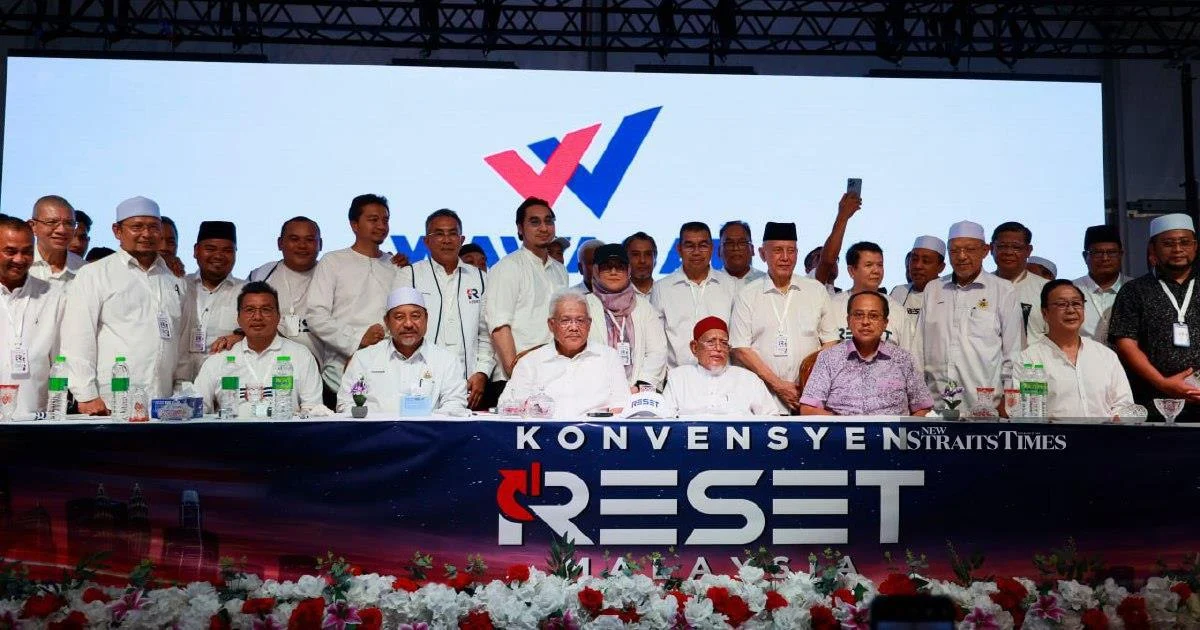
The Perikatan Nasional coalition descended into crisis mode following allegations that its chairman circumvented established protocols when steering through the admission of Wawasan party during an emergency Supreme Council gathering on Monday evening. Bersatu, one of PN's core constituent parties, has now openly questioned whether the hurried decision-making process adhered to the coalition's constitutional requirements, signalling widening fractures within the opposition bloc that has been positioning itself as an alternative to the current ruling structure.
The emergency meeting called to discuss Wawasan's membership application represents a significant moment for PN's strategic direction. The move to expedite proceedings, according to Bersatu's position, suggests either desperation to strengthen the coalition's numbers or a fundamental breakdown in how the partnership conducts its affairs. Such internal disputes over procedural correctness often mask deeper disagreements about decision-making authority and the balance of power between major constituent parties.
For Malaysian political observers, the timing of this dispute carries particular weight. PN has been attempting to position itself as a serious governmental alternative following the 2022 general election, yet internal wrangling over basic governance procedures undermines claims of organisational readiness for higher office. The coalition's ability to manage its own institutional processes will inevitably influence voter perceptions of its capacity to govern the nation.
Bersatu's challenge reveals the delicate equilibrium maintained within PN's partnership structure. As Bersatu has historically played a pivotal role in coalition dynamics—particularly given its connection to key political figures—its willingness to publicly contest decisions signals that party leadership views the current trajectory as potentially damaging to its interests or standing within the bloc. The dispute extends beyond mere procedural technicalities to encompass broader questions about inclusivity in major decisions affecting coalition membership and strategic direction.
Wawasan's admission application itself warrants examination. The party's entry into PN could represent either strategic expansion or a desperate recruitment drive to bolster declining membership numbers. Each interpretation carries different implications for coalition stability. A measured, properly deliberated admission process would project confidence and organised growth, whereas expedited proceedings suggest either opportunity capitalisation or concern about dwindling collective political strength.
The constitutional and procedural questions raised by Bersatu centre on whether emergency meeting protocols were correctly invoked and whether adequate notice was provided to all constituent parties. Coalition structures depend heavily on trust that established procedures will be followed even when circumstances demand rapid decision-making. When major parties begin questioning the legitimacy of such processes, it signals erosion of that foundational trust that holds multi-party alliances together.
Regionally, PN's internal difficulties offer lessons for other Southeast Asian opposition coalitions attempting to challenge incumbent governments. The Malaysian bloc's struggles with internal cohesion—evident in previous splits and realignments—demonstrate how even well-intentioned partnerships can fracture when questions of procedure, authority, and fair representation remain unresolved. Successful coalitions typically invest in clear governance frameworks and transparent decision-making mechanisms precisely to prevent such conflicts from escalating.
For Bersatu specifically, the gambit serves multiple purposes. It publicly reasserts the party's importance within PN decision-making structures, signals to members that leadership actively protects party interests, and potentially positions Bersatu to demand procedural reforms or concessions in future coalition negotiations. The party's willingness to challenge the chairman—typically the highest-ranking figure in any coalition—indicates confidence in its organisational strength or conviction that current trajectory threatens party survival or relevance.
The broader political landscape suggests that PN remains conscious of its need to appear credible and well-governed. Opposition coalitions attempting to convince voters they represent an improvement over existing government must demonstrate institutional competence and respect for internal democratic processes. Public disputes over whether basic procedures were followed inevitably raise questions about organisational maturity and readiness for governance.
Moving forward, how PN resolves this dispute will substantially influence both the coalition's internal dynamics and external perceptions. A transparent investigation and reaffirmation of proper procedures could restore confidence in institutional integrity. Conversely, if the dispute devolves into partisan bickering or is inadequately addressed, it may entrench suspicions that PN prioritises short-term numerical gains over long-term organisational stability. Malaysian voters and regional observers will closely monitor whether PN's leadership acknowledges Bersatu's concerns and commits to procedural transparency in future decision-making.
The Wawasan admission controversy ultimately reflects deeper questions about coalition governance in Malaysian politics. As PN continues repositioning itself for potential future relevance, such internal challenges demonstrate that building stable, credible opposition blocs demands sustained attention to institutional processes, equitable power-sharing, and transparent decision-making—not merely the accumulation of member parties.