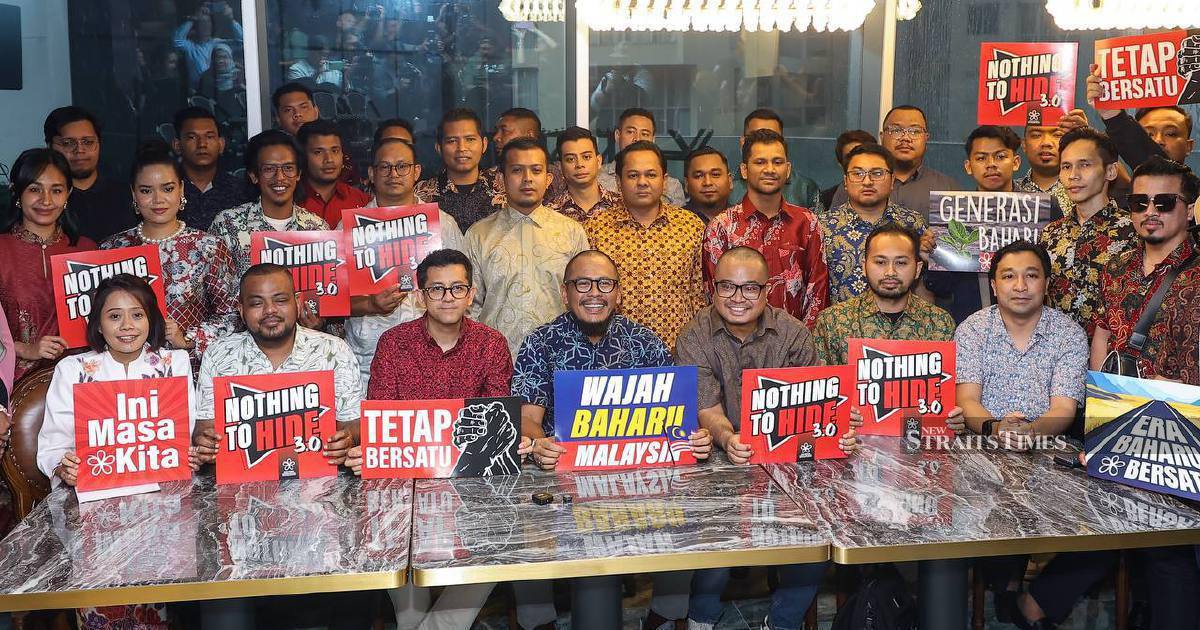
The leadership of Perikatan Nasional faces renewed optimism regarding the stability of its parliamentary coalition following reassurances from Bersatu that relations with its PAS partner can be restored to working order. Kota Siputeh assemblyman Mohd Ashraf Mustaqim Abdul Munir delivered the upbeat assessment in Kuala Lumpur, suggesting that the recent strains between the two Islamic-oriented parties need not signal a fundamental break in their political alliance.
The comparison offered by Mustaqim is instructive for understanding how PN figures currently frame their internal dynamics. By characterising the dispute as similar to marital bickering rather than irreconcilable conflict, the Bersatu representative implies that disagreements, while genuine, remain manageable within the context of a committed long-term arrangement. This framing reflects an effort to contain the narrative damage from visible friction and reassure both coalition partners and their supporters that temporary discord will not derail the political compact.
PAS and Bersatu have occupied complementary but sometimes competing spaces within Malaysia's Islamic political landscape. Both parties draw support from broadly similar constituencies and operate in overlapping geographical areas. The relationship has historically alternated between periods of alignment and tension, shaped by leadership personalities, electoral calculations, and broader shifts in the country's political coalitions. Understanding the current friction requires acknowledging these deeper structural dynamics that periodically surface in disputes.
The Perikatan Nasional alliance itself represents a relatively recent formation in Malaysian politics, coalescing around shared interests in the aftermath of the 2020 political upheaval. Unlike some longer-established coalitions that have developed institutional mechanisms for conflict resolution, PN remains younger and in some respects still finding its operational rhythms. Tensions between PAS and Bersatu test whether the coalition possesses sufficient shared vision and procedural maturity to weather disagreements without fracturing.
From a Malaysian political perspective, the stability or instability of PN carries significant implications for parliamentary mathematics and government formation. The coalition commands substantial parliamentary representation, and any serious rupture could trigger a realignment that potentially destabilises the current administration. Coalition partners therefore have strong incentives to demonstrate publicly that differences can be managed, even when underlying tensions remain real.
Mustaqim's intervention itself merits scrutiny as a strategic communication. That a mid-level assemblyman chose to offer public reassurance suggests either that senior leadership felt unable to do so without appearing defensive, or that messaging was being deliberately distributed through multiple voices to create an impression of widespread confidence. Such tactical messaging is typical of coalitions experiencing friction that they wish to minimise in the public eye.
The substance of recent tensions between PAS and Bersatu has included disputes over candidate selection, resource allocation within the coalition, and disagreements over policy direction. These manifestations of discord reflect the unavoidable reality that coalition partners possess distinct organisational interests and may calculate strategic advantage differently. The question is whether such disagreements can be contained within existing coalition frameworks or whether they will escalate into demands for restructuring.
For Malaysian voters and political observers, coalition stability matters because it affects government effectiveness and predictability. A coalition preoccupied with internal management struggles may find it harder to respond effectively to economic challenges, policy implementation, and constituent services. The confidence or anxiety that coalition figures project about their arrangements influences broader market and business sentiment as well.
The regional context also bears noting. Across Southeast Asia, coalition politics has become increasingly central to governance, and the ability of partners with ideological differences to function effectively determines whether such arrangements can deliver stability. Malaysia's experience with coalitions provides a test case that observers in other countries monitor, particularly where similar political configurations are emerging.
Mustaqim's remarks also implicitly acknowledge that public acknowledgment of tension is sometimes unavoidable. Rather than denying difficulties, the strategy instead normalises them as temporary friction inherent to any partnership. This rhetorical move attempts to reset expectations downward—acknowledging discord while deflating its significance. Whether this framing will prove sufficient depends on whether actual measures follow to address underlying sources of tension.
The timeline for resolving PAS and Bersatu differences remains unclear. Mustaqim's optimism does not specify what concrete steps have been taken or what mechanisms exist to prevent similar flare-ups. This vagueness is itself noteworthy, as it may suggest that reassurances are being offered in the absence of formal resolution mechanisms. Sustainable coalition management typically requires both operational procedures and trust-building measures, not merely rhetorical commitment.
Looking forward, observers of Malaysian politics should expect continuing statements of coalition unity interspersed with periodic reports of friction. This pattern has characterised previous Malaysian coalitions, suggesting that managing such arrangements remains fundamentally challenging. The Perikatan Nasional will need to demonstrate that married couples can indeed live productively under the same roof, or risk that metaphors of domestic discord give way to separation.

