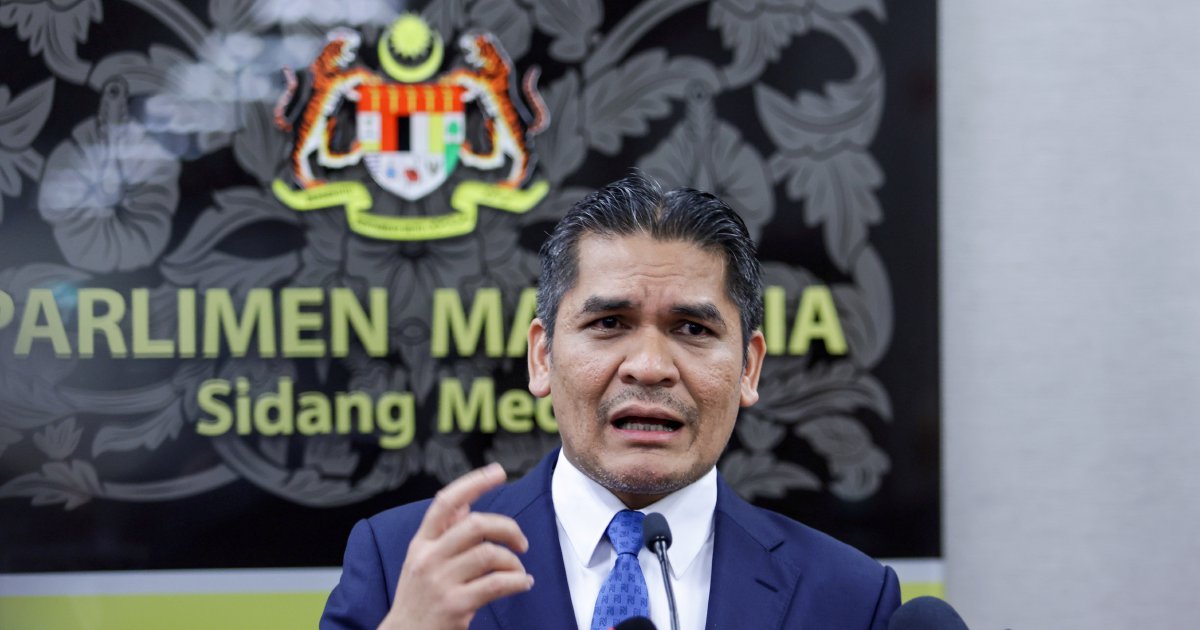
Bersatu members of Parliament have committed to remaining in the Dewan Rakyat during today's special parliamentary sitting devoted to discussing the Royal Commission of Inquiry (RCI) report on Lembaga Tabung Haji, according to Datuk Dr Radzi Jidin. The announcement came as Parliament prepared to address the findings of the inquiry into the pilgrimage fund's management and operations.
The decision to maintain Bersatu's presence signals the coalition's readiness to engage substantively with what has become a politically significant matter in Malaysian governance. Lembaga Tabung Haji, which manages savings for Muslim pilgrims intending to perform the Hajj in Mecca, has faced considerable scrutiny over recent years regarding its financial management and investment decisions. The establishment of the RCI underscored concerns from various quarters about how the fund has been administered and whether adequate oversight mechanisms exist.
Radzi Jidin's confirmation that Bersatu MPs will not stage a walkout carries particular weight given the current political landscape in Malaysia. Parliamentary boycotts and strategic absences have become tactics deployed by opposition and coalition members alike when seeking to register protest or avoid difficult votes. By committing to attendance, Bersatu has signalled that the party intends to participate in the parliamentary process surrounding this inquiry report rather than resort to procedural theatrics.
The RCI's investigation into Tabung Haji has broader implications for Malaysia's Islamic governance and financial administration. The fund manages billions of ringgit collected from Muslim Malaysians saving for the Hajj pilgrimage, making it a crucial institution within the country's religious and financial ecosystem. Any findings regarding mismanagement or systemic failures carry significance not only for the government but for the hundreds of thousands of Malaysians who have entrusted their savings with the organization.
Parliamentary scrutiny of the RCI report will likely address questions about investment strategies, the fund's exposure to problematic assets, governance structures, and accountability mechanisms. The sitting represents an opportunity for legislators to examine how effectively existing regulations have protected pilgrims' savings and whether additional safeguards are necessary. For Bersatu, whose political standing has shifted considerably in recent coalition arrangements, maintaining parliamentary discipline on such matters reflects an effort to demonstrate reliable governance participation.
The timing of the special sitting underscores the government's intention to address public concerns about Tabung Haji transparently through parliamentary channels. By scheduling dedicated sitting time, Parliament acknowledges the matter warrants extended deliberation rather than brief mention during regular legislative business. This approach allows for comprehensive examination of the RCI's findings and their implications for future fund management.
Bersatu's participation also matters for broader parliamentary dynamics. The party's stability and consistency in attending sittings affects the overall functioning of the Dewan Rakyat and signals institutional health. When coalition partners demonstrate commitment to legislative processes, it strengthens confidence in parliamentary institutions themselves, particularly important given Malaysian politics' recent volatility and coalition reshuffles.
The RCI findings on Tabung Haji will likely prompt discussions about regulatory improvements, management restructuring, and enhanced monitoring systems. Parliament's engagement with these recommendations will shape policy responses and potential legislative amendments. Bersatu's attendance ensures the party contributes to these critical discussions rather than appearing dismissive of matters affecting ordinary Malaysians' financial interests.
For Malaysian Muslim pilgrims and their families, parliamentary examination of Tabung Haji's operations represents accountability in action. Many Malaysians have accumulated savings through the fund over decades, viewing it as a secure mechanism for funding their religious obligation. The RCI inquiry and subsequent parliamentary discussion provide transparency regarding how these funds have been managed and whether reforms are necessary to protect future contributions.
Beyond the specific Tabung Haji issue, Bersatu's commitment to attending the sitting reinforces expectations that coalition partners will engage substantively with important national matters. Parliamentary effectiveness depends on reliable attendance and genuine participation in deliberations affecting public institutions and ordinary citizens' welfare. By confirming its MPs will remain present throughout the sitting, Bersatu demonstrates recognition that some matters transcend partisan advantage and require serious legislative engagement.

