The modern professional faces an unexpected threat to skin health that has little to do with tropical holidays or beach outings. Whether you are stationed at a desk with a window view throughout the morning, or confined to an office illuminated by artificial lighting and computer screens, your skin remains vulnerable to the same aging processes that affect those spending hours under direct sunlight. This paradox—that photoaging accelerates during ordinary working days rather than occasional leisure time—has become increasingly relevant for Malaysian office workers navigating humid climates and extended indoor work schedules.
The science behind premature skin aging reveals a sobering reality: approximately 80% of visible signs of photoaging result from accumulated, everyday exposure to ultraviolet radiation and environmental pollutants. These are not dramatic exposures from unprotected beach days, but the cumulative damage from daily incidental contact with UV rays during routine activities. A person answering emails beside a sunlit window during morning hours, then spending afternoons focusing intently on laptop and smartphone screens, experiences continuous cellular stress that accumulates over months and years. The consequences manifest as fine lines, deepened wrinkles, stubborn hyperpigmentation, and dark spots that appear seemingly without explanation.
What complicates matters further is the overlooked threat posed by high-energy visible light, commonly referred to as blue light. Contrary to popular assumptions about indoor safety, research indicates that approximately 25% of oxidative cellular damage occurs specifically from HEV blue light exposure. This means that even individuals who diligently avoid outdoor sun exposure during working hours still experience significant skin damage from the screens they use daily. For Southeast Asian professionals already battling humidity and heat-related skin concerns, this additional digital-age stressor adds another layer of complexity to maintaining skin health.
The distinction between intentional sun exposure and incidental daily exposure is crucial for understanding modern photoaging. Studies reveal that 80% of lifetime sun damage accumulates through ordinary activities—walking to lunch, commuting, sitting near windows, or working outdoors briefly—rather than through dedicated beach vacations or outdoor recreation. This statistic fundamentally reframes how individuals should approach sun protection. Rather than viewing sunscreen as a seasonal or vacation-specific product, dermatologists increasingly emphasize that daily application during routine working hours provides more meaningful protection than occasional heavy application before leisure activities.
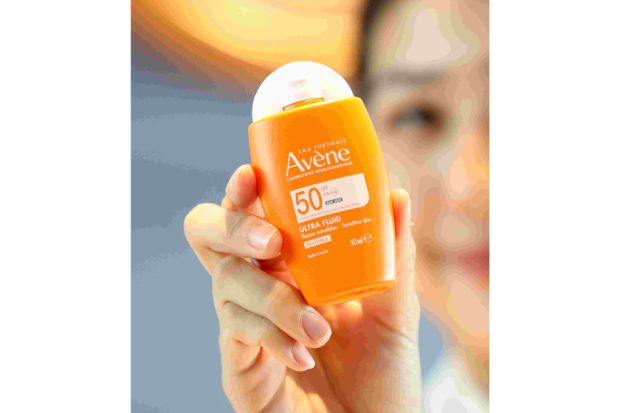
Eau Thermale Avene addressed these contemporary skincare challenges by launching its Ultra Fluid Range during an experiential event in July 2026, presenting a collection of four sunscreen variants specifically formulated to address modern lifestyle demands. The range represents an evolution in sun protection philosophy, moving beyond the traditional trade-off between sun protection efficacy and aesthetic acceptability. Cristiana Irimescu, Asia export business director for Pierre Fabre Singapore Pte Ltd, emphasized that consumers historically faced an uncomfortable choice between prioritizing skin health and maintaining cosmetic elegance. The new formulations aim to eliminate this false choice, allowing individuals to maintain rigorous sun protection without aesthetic compromise.
Central to this innovation is the brand's proprietary TriAsorB sun filter, engineered as a broad-spectrum protective barrier against UVA and UVB radiation while extending coverage to encompass HEV blue light. This multi-dimensional approach acknowledges the complexity of modern environmental stressors affecting facial skin. Rather than addressing only traditional UV concerns, the filter responds to the compounded damage from multiple sources—outdoor sun, indoor blue light, and pollution. For Malaysian users particularly, who often transition between air-conditioned indoor environments and humid outdoor conditions throughout the day, this comprehensive protection becomes especially relevant.
Dr Syairah Nadia Mohamad, chief executive officer of Radiant Clinique, reinforced the physiological reality that skin responds identically to damage whether incurred during sunny outdoor days or indoor working hours. This perspective challenges conventional wisdom suggesting that office-based professionals require less rigorous sun protection than outdoor workers. The skin's biological mechanisms do not differentiate between contexts; cellular damage accumulates regardless of whether exposure occurs during a beach outing or while working at a desk. This understanding has significant implications for how professionals should structure their daily skincare routines.
A persistent obstacle to consistent sun protection has been the textural and aesthetic characteristics of conventional sunscreens. High-SPF formulations typically leave heavy, sticky residues or create ghostly white casts that make regular application feel burdensome rather than routine. The new Ultra Fluid Range addresses this friction by delivering a texture approximately twice as light as standard sunscreen formulations, achieving complete absorption in approximately one second. This reduction in tactile unpleasantness removes a genuine barrier to compliance, allowing sun protection to integrate seamlessly into existing morning routines without disrupting subsequent makeup application or professional appearance.
The formulation philosophy emphasizes what the product deliberately excludes alongside what it includes. The range maintains a clean formula free from silicones, alcohol, and controversial chemical filters. This restraint in ingredient selection particularly benefits individuals with sensitive skin, common among those in humid tropical environments where barrier function often becomes compromised. By avoiding potentially irritating components while maintaining robust UV and blue light protection, the formula accommodates diverse skin types without requiring consumers to compromise on either efficacy or tolerability.
The introduction of four distinct variants recognizes that no single sunscreen formulation suits every individual's skin type, daily schedule, or lifestyle pattern. This differentiation reflects growing recognition within dermatology that personalized sun protection strategies prove more sustainable than one-size-fits-all recommendations. For Malaysian professionals managing variable daily environments—moving between air-conditioned offices, outdoor meetings, vehicle commutes, and humid evening activities—the availability of tailored options supports the habit formation necessary for consistent application.
Integrating effective daily sun protection into professional routines requires reframing sunscreen from a burdensome obligation to a seamless habit. When formulations feel light as water and absorb instantly without aesthetic compromise, application becomes automatic rather than negotiated. This psychological shift matters significantly for long-term skin health, as sporadic intensive protection proves less effective than consistent daily application. For office-based professionals in Malaysia and across Southeast Asia, recognizing that workplace exposure constitutes their primary photoaging risk—rather than minimizing sun protection when indoors—represents an important recalibration of skincare priorities.
The broader implication of this shift toward lightweight, comprehensive daily protection extends beyond individual skincare to influence how entire professional populations approach preventive health. As awareness grows that ordinary working days generate more cumulative skin damage than occasional leisure activities, demand will likely increase for sun protection solutions that accommodate busy, indoor-centric lifestyles. This trend reflects a maturation in sun care thinking, moving beyond vacation-centric narratives toward acknowledging the health impacts of routine environmental exposure. For Malaysian professionals particularly, navigating tropical climates with high UV indices and increasing screen time, this evolution in protective products and protective philosophy offers practical means to maintain skin health without sacrificing comfort or convenience.
Moving forward, the availability of lightweight, comprehensive sun protection formulations addresses a genuine gap between dermatological recommendations and consumer behavior. When daily sun protection integrates effortlessly into existing routines without requiring conscious effort or aesthetic sacrifice, compliance improves and cumulative skin damage diminishes. This represents not merely a product innovation but a recognition that effective preventive dermatology must accommodate the actual lives and constraints of modern professionals, rather than asking them to conform to idealized skincare routines incompatible with contemporary work environments.

