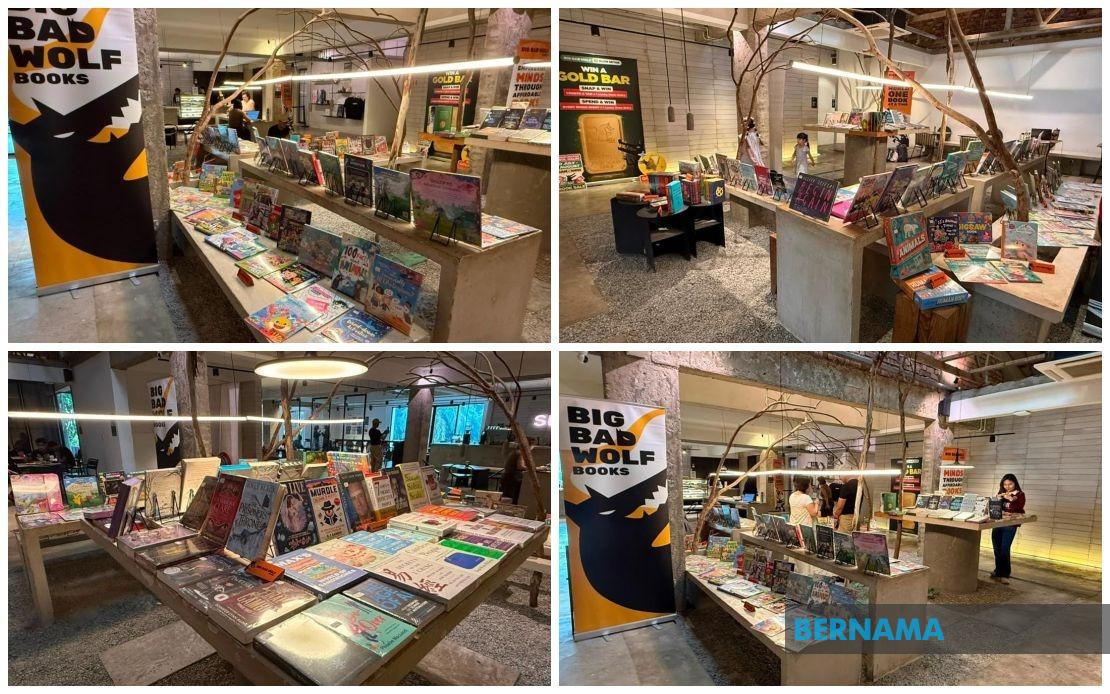
Malaysia's premier book fair, Big Bad Wolf Books, is making a significant return to Alor Setar this month with an enhanced collection designed to reinvigorate reading culture in Kedah. The event runs from July 30 to August 9 at Sultan Abdul Halim Stadium, operating daily from 10 am to 10 pm with free admission. Organisers have deliberately curated the programme to serve broader educational objectives across the northern state, recognising that accessible reading materials play a crucial role in building community engagement with knowledge.
The organisers have increased the inventory of new releases by 40 per cent compared to previous editions, a deliberate strategy to maintain visitor interest and ensure the event remains fresh for returnees. This expansion reflects the growing appetite for diverse reading materials among Kedah residents and the publisher ecosystem's capacity to supply varied content. Additionally, the fair introduces a debut collection of 'Little Ummah' Islamic children's books specifically tailored for the Malaysian market, representing an intentional effort to reflect the cultural and religious values of Kedah's predominantly Muslim population whilst broadening the appeal of the event.
The sheer scale of the operation underscores why Big Bad Wolf Books commands its status as the region's largest book fair. With approximately one million titles available, the selection spans genres from academic texts to leisure reading, children's literature to reference materials. Pricing strategy remains central to the fair's accessibility mandate, with books starting from as little as RM3 and discounts reaching up to 95 per cent on selected items. This aggressive pricing approach democratises access to knowledge, removing traditional barriers that prevented lower-income families from acquiring books regularly.
Big Bad Wolf Books representative Chloe Lim Sooi Yee outlined the organisers' commitment to fostering sustainable literacy improvements in Kedah. Beyond merely offering discounted books, the fair functions as an anchor point for a comprehensive community literacy movement addressing both cultural preservation and educational advancement. The initiative recognises that Kedah, whilst economically developed, has not been equally prioritised in previous book fair circuits, creating an opportunity to redress this imbalance and establish regular reading habits among younger demographics in the state.
School-based promotion forms a critical component of the outreach strategy. Big Bad Wolf Books representatives will visit multiple educational institutions across Alor Setar to drive awareness and encourage student participation. Recognising the purchasing power of educators and learners, the organisers have implemented a targeted incentive programme offering an additional five per cent discount for students and teachers who purchase at least three books. This mechanism addresses a key market segment—educational stakeholders who influence reading culture among the young—whilst maintaining affordability principles.
The commercial incentive structure incorporates prize mechanisms designed to heighten visitor engagement beyond mere purchasing. Participants in 'spend and win' and 'snap and win' promotional campaigns stand a chance to receive ten-gramme gold bars, transforming the book fair experience into an entertainment event that appeals to gamification-conscious consumers. Such mechanisms have proven effective across Southeast Asian retail markets, where prize opportunities frequently drive foot traffic and extend average customer dwell time at venues.
Revenue projections and attendance targets reveal confidence in the Alor Setar market. Organisers are targeting 35,000 visitors across the eleven-day event period, a projection suggesting approximately 3,200 daily visitors. This figure, if achieved, would demonstrate substantial demand for discounted reading materials and indicate that Kedah residents view book fairs as legitimate cultural events worthy of dedicated time and travel. For Malaysian regional markets, this attendance level would represent meaningful engagement with literary and educational content, particularly given free entry policies that eliminate financial barriers to participation.
The Big Bad Wolf Books concept—emphasising accessibility and affordability—has become integral to Southeast Asia's publishing and literacy landscape. The franchise operates across multiple countries within the region, serving as a distribution channel for publishers seeking mass-market penetration whilst functioning simultaneously as a cultural institution promoting reading habits. Malaysia's book fairs have evolved from purely commercial transactions into community gatherings that reinforce educational values and provide social function beyond transactional consumption.
For Malaysian readers and educators in Kedah, this event carries implications extending beyond shopping convenience. The fair's presence signals that the state merits investment in cultural infrastructure and that residents' reading interests warrant recognition from major publishers and retailers. Sustaining reading cultures, particularly among younger populations increasingly drawn to digital media, requires physical spaces and tangible incentives that transform reading from solitary activity into communal experience. Book fairs accomplish this by creating atmosphere, facilitating peer discovery, and enabling browsers to encounter unexpected titles they might not encounter through digital channels.
The integration of Islamic children's literature into the programme reflects evolving understanding of cultural relevance in retail environments. Publishers and retailers recognise that Malaysia's multicultural and multireligious character requires product selection reflecting community composition and preferences. By featuring 'Little Ummah' books prominently, Big Bad Wolf Books signals responsiveness to customer demographics whilst normalising religious and cultural content as legitimate components of mainstream retail offerings. This approach benefits all consumers by ensuring reading materials represent diverse perspectives and experiences.
The economic implications for local publishing and bookselling ecosystems deserve consideration. Large-scale book fairs generate temporary employment, attract visitors to retail precincts, and can catalyse longer-term interest in physical bookstores and independent publishers. Alor Setar's selection as a venue indicates the Klang Valley-centric publishing industry's recognition that significant demand exists beyond Malaysia's capital region. Success in Kedah could establish patterns for expanded regional distribution and encourage local publishers to develop titles addressing northern Malaysian interests.
Participation in book fairs has become normalised across Malaysian society, transcending previous associations with elite or academic audiences. Events attracting tens of thousands of visitors represent genuine cultural phenomena where reading is positioned as accessible leisure activity rather than obligation. For educators particularly, book fairs provide opportunities to model reading enthusiasm, assist students in developing personal collections, and demonstrate that engaging with printed text remains contemporary despite technological disruption. The targeting of educational professionals through special discounts acknowledges their role as cultural intermediaries influencing community literacy patterns.
As Big Bad Wolf Books consolidates its presence beyond peninsular Malaysia's major cities, the Alor Setar edition represents broader strategic thinking about regional literacy development. The eleven-day duration, substantial inventory, aggressive pricing, and targeted promotional campaigns collectively construct an environment where encountering books becomes convenient, affordable, and socially rewarding. For Kedah residents, the event provides access to literary resources comparable to those available in major urban centres, contributing incrementally to reducing knowledge and cultural disparities between regions within Malaysia.

