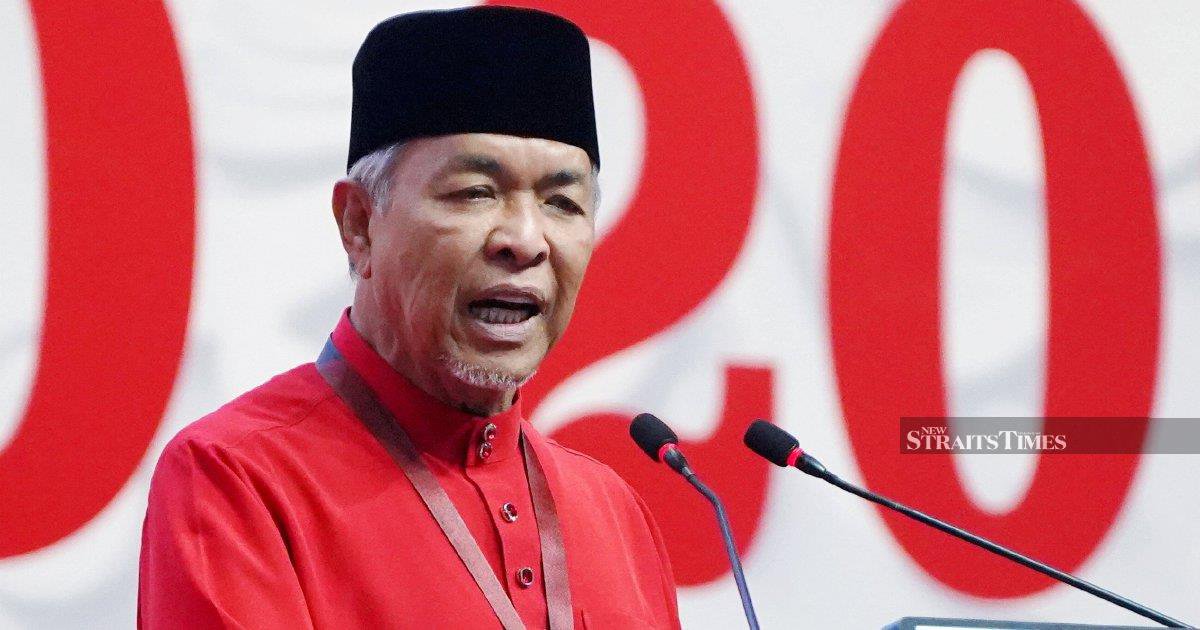
Datuk Seri Dr Ahmad Zahid Hamidi, steering both Barisan Nasional and Umno, has declared that neither organisation will extend protection to individuals or entities should the Royal Commission of Inquiry into Tabung Haji substantiate allegations of misconduct. The BN chairman's unequivocal stance reflects mounting pressure on Malaysia's dominant political coalition to demonstrate its commitment to transparency and institutional integrity, particularly following years of scrutiny over the Islamic pilgrimage fund's management and financial performance.
The pronouncement carries considerable weight given the historical sensitivity surrounding Tabung Haji within Umno and Malay-Muslim constituencies. The fund, established to facilitate hajj savings for Malaysian Muslims, occupies a privileged position in the minds of many party members and their supporters. Any decisive action stemming from RCI findings could therefore test the coalition's willingness to prioritise principle over political expediency, especially if prominent figures face potential legal consequences.
The RCI's mandate encompasses investigating potential breaches of trust, inadequate stewardship of the institution, and systemic governance deficiencies that may have contributed to the fund's financial deterioration. These terms of reference are sufficiently expansive to capture a range of administrative and executive decisions spanning multiple tenures. The inquiry's scope suggests the investigative panel will examine not merely isolated incidents but potentially broader patterns of decision-making and resource allocation.
Zahid's commitment essentially pre-empts criticism that BN might selectively apply accountability standards based on political considerations. By stating explicitly that no individual or faction will receive preferential treatment, the BN leadership appears to be establishing normative expectations for the party's conduct once findings are released. This rhetorical positioning functions as both a deterrent against future allegations of cover-up and a signal to the Malaysian public that institutional wrongdoing carries consequences irrespective of the perpetrator's political stature.
The timing of this declaration is instructive. Tabung Haji has faced sustained questions regarding investment decisions, governance structures, and financial management practices. Recent years have witnessed public discourse intensifying around the fund's operational transparency and the adequacy of internal oversight mechanisms. The government's decision to establish the RCI reflected broader acknowledgment that institutional confidence had eroded sufficiently to warrant independent investigation, suggesting policymakers recognised the necessity of decisive action to restore stakeholder trust.
For Malaysian investors and savers within the Tabung Haji system, Zahid's pronouncement may provide reassurance that the inquiry process will not be compromised by partisan considerations. However, scepticism may persist given Malaysia's historical experience with political patronage systems and the selective enforcement of accountability measures. The credibility of Zahid's commitment will ultimately depend on the coalition's actual response when the RCI releases its conclusions, particularly if findings implicate individuals with substantial political capital within Umno's hierarchical structures.
The statement also carries implications for civil society organisations and reform advocates who have persistently called for transparent investigation into Tabung Haji's operations. Such groups have questioned whether the institution's governance frameworks adequately protected beneficiaries' interests and whether decision-making processes reflected international standards of institutional management. An RCI unimpeded by political interference could theoretically address these concerns comprehensively, though implementation of recommendations would remain dependent on governmental and party political will.
Regional observers may view this declaration within the broader context of Malaysia's governance transition and ongoing efforts to strengthen institutional independence. Southeast Asian countries navigating complex relationships between political parties and state institutions often struggle with questions of accountability and the equitable application of legal standards. Malaysia's handling of the Tabung Haji RCI could therefore carry symbolic weight regarding the nation's commitment to institutional reform and the subordination of partisan interests to governance principles.
The RCI's investigative conclusions will substantially determine whether Zahid's assurances translate into tangible action or remain circumscribed by political calculation. Should investigators identify patterns of impropriety extending into Umno's upper echelons, the party leadership will confront difficult choices between maintaining internal cohesion and implementing accountability measures. The fund's restoration and sustained public confidence ultimately hinges on transparent identification of systemic failures and demonstrable consequences for those responsible, making the forthcoming RCI findings and the coalition's subsequent response pivotal for Malaysia's institutional credibility.

